Gardener Says a Neighbor’s House Painters Set Up Scaffolding Directly Over Her Garden Beds for an Entire Month
Rebecca had spent years building raised garden beds along the side of her property where the morning sun helped vegetables and flowers thrive. Tomatoes climbed sturdy cages while lavender, zinnias, and herbs filled every available space. She planned each season carefully so something was always blooming or ready to harvest.
When her neighbor announced that the exterior of his house was finally being repainted, Rebecca expected a little extra noise for a week or two. She never imagined the project would completely change the conditions in her garden for an entire month.
The Scaffold Went Up Without Warning
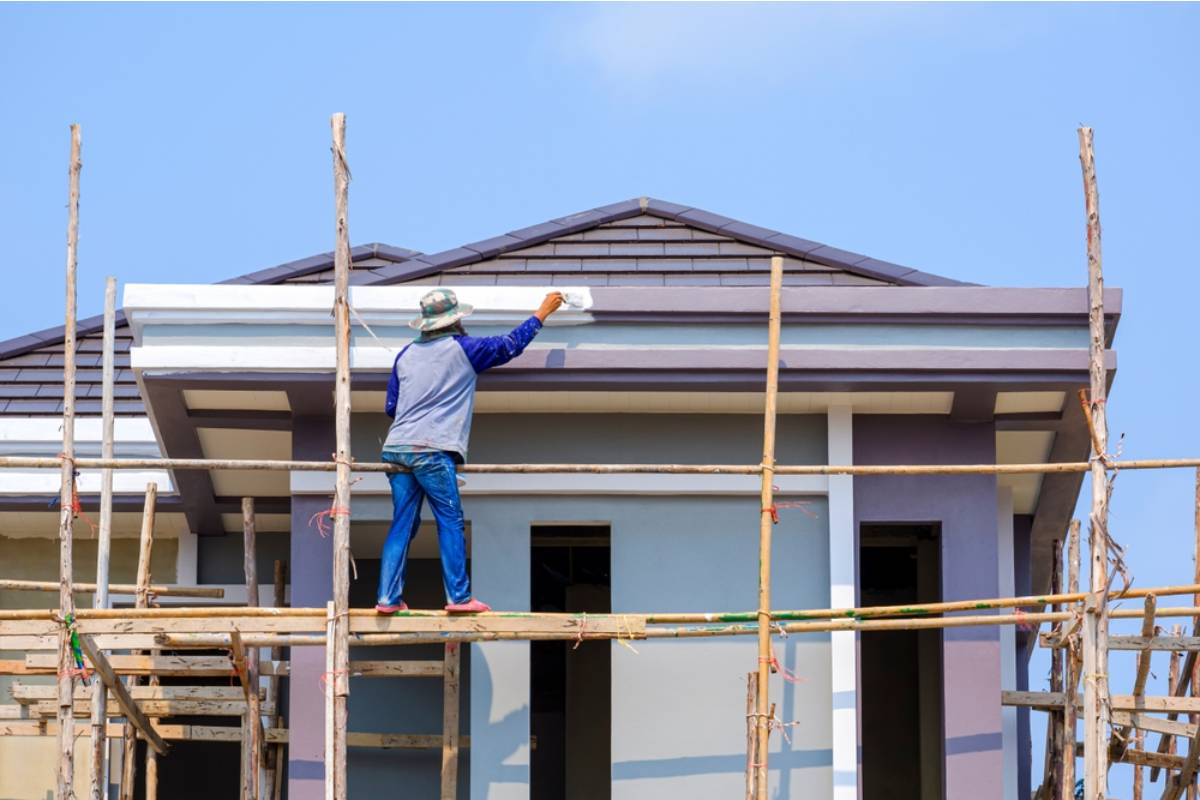
On Monday morning, a crew arrived with trucks full of metal poles, wooden planks, and equipment. Rebecca watched from her kitchen window as the workers assembled scaffolding along the side of the neighboring house. To her surprise, part of the structure extended directly over the fence line above her raised beds. She assumed it was temporary and expected the workers to adjust it before leaving.
The Garden Lost Its Morning Sun
The next morning Rebecca stepped outside and immediately noticed something felt different. The large scaffold blocked much of the sunlight that normally reached her vegetables during the first half of the day. Plants that usually stood upright were already leaning toward the remaining patches of light. She realized the structure was creating a shadow across nearly half the garden.
Workers Crossed the Fence Repeatedly
As painting began, several workers leaned across the fence to reach difficult sections of the house. Paint supplies, extension cords, and drop cloths occasionally rested against the top of Rebecca’s raised beds. She politely asked one worker to avoid placing equipment over her plants. He apologized but explained the scaffold had already been assembled according to the company’s plan.
Falling Debris Became a Daily Problem
Each afternoon Rebecca discovered fresh paint chips, old caulk, and small pieces of scraped siding scattered among her vegetables. She carefully removed what she could by hand before watering. The cleanup became part of her daily routine. Some delicate herbs were almost hidden beneath the constant trickle of debris.
The Project Suddenly Stopped
Just as Rebecca expected the painters to finish, the trucks disappeared. The scaffolding, however, remained exactly where it was. Days passed without any workers returning to the property. The towering metal structure continued casting shade across the garden despite no work taking place.
Her Neighbor Was Equally Frustrated
Rebecca knocked on her neighbor Tom’s door to ask whether the painters planned to return. Tom admitted he had been trying to reach the company because they had unexpectedly paused the project after another job ran behind schedule. He was surprised to learn the scaffold extended over Rebecca’s garden. Together they walked along the fence so he could see the problem for himself.
The Plants Started Showing Signs of Stress
By the third week, several tomato plants had become noticeably taller but weaker as they stretched toward limited sunlight. Basil that normally produced thick leaves looked sparse and pale. Flowering plants produced fewer blooms than usual. Rebecca compared them with identical varieties growing elsewhere in the yard, making the difference impossible to ignore.
A Garden Club Friend Suggested Documenting Everything
Rebecca’s friend Diane visited one afternoon after hearing about the situation. She recommended taking photographs from the same angle every few days to show how long the scaffold remained over the beds. Rebecca followed the advice and gradually built a timeline of the ongoing disruption. The collection of images also showed how the shadow affected different sections of the garden.
An Unexpected Storm Made Matters Worse
One windy evening, loose plastic sheeting tied to the scaffold broke free and flapped across the tops of several tomato cages. By morning, a few branches had snapped where the plastic repeatedly struck them. Rebecca carefully untangled everything before additional damage occurred. She wondered why no one had secured the site while it sat unused.
The Painting Company Finally Returned
Nearly a month after the scaffold first appeared, the painting crew came back to finish the project. Rebecca immediately asked the supervisor why the structure had remained over her garden for so long. After hearing the full timeline, the supervisor admitted the job had been delayed much longer than expected because of scheduling problems. He looked uncomfortable when Rebecca showed him the series of dated photographs.
Removing the Scaffold Revealed the Full Impact
When the crew finally dismantled the scaffold, sunlight returned to the garden for the first time in weeks. Rebecca immediately noticed flattened stems where equipment had rested above the beds and several plants that had permanently leaned toward the available light. Some vegetables recovered within days, while others never regained their original shape. The contrast between shaded and unaffected areas was striking.
The Season Ended on a Better Note
The painting company agreed to provide compensation for the damaged plants and even arranged for a local landscaping crew to help refresh the affected beds. Tom apologized repeatedly, explaining he had never intended for the project to interfere with Rebecca’s garden.
Together they discussed better communication before any future work near the shared property line. By the following growing season, the raised beds were once again full of healthy flowers, herbs, and vegetables, reminding Rebecca that patience and good neighbors could help even after an unusually difficult month.