Gardener Says People Keep Offering Unwanted Advice Over the Fence, Now She Avoids Going Into Her Own Backyard During Peak Gardening Season
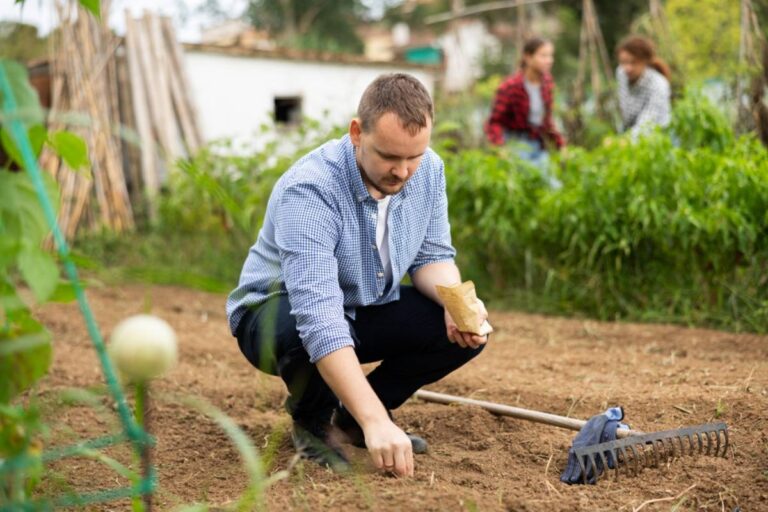
When Linda Harper moved into her suburban home in North Carolina, she pictured peaceful mornings in her backyard garden, coffee in hand, sunlight on tomato vines, and quiet time away from the world. For the first few months, that’s exactly what she got. But as her garden started to thrive, so did the attention from neighbors she barely knew. What began as casual compliments slowly turned into constant commentary. And before long, Linda found herself avoiding the very space she once loved most.
The First Comment Over the Fence
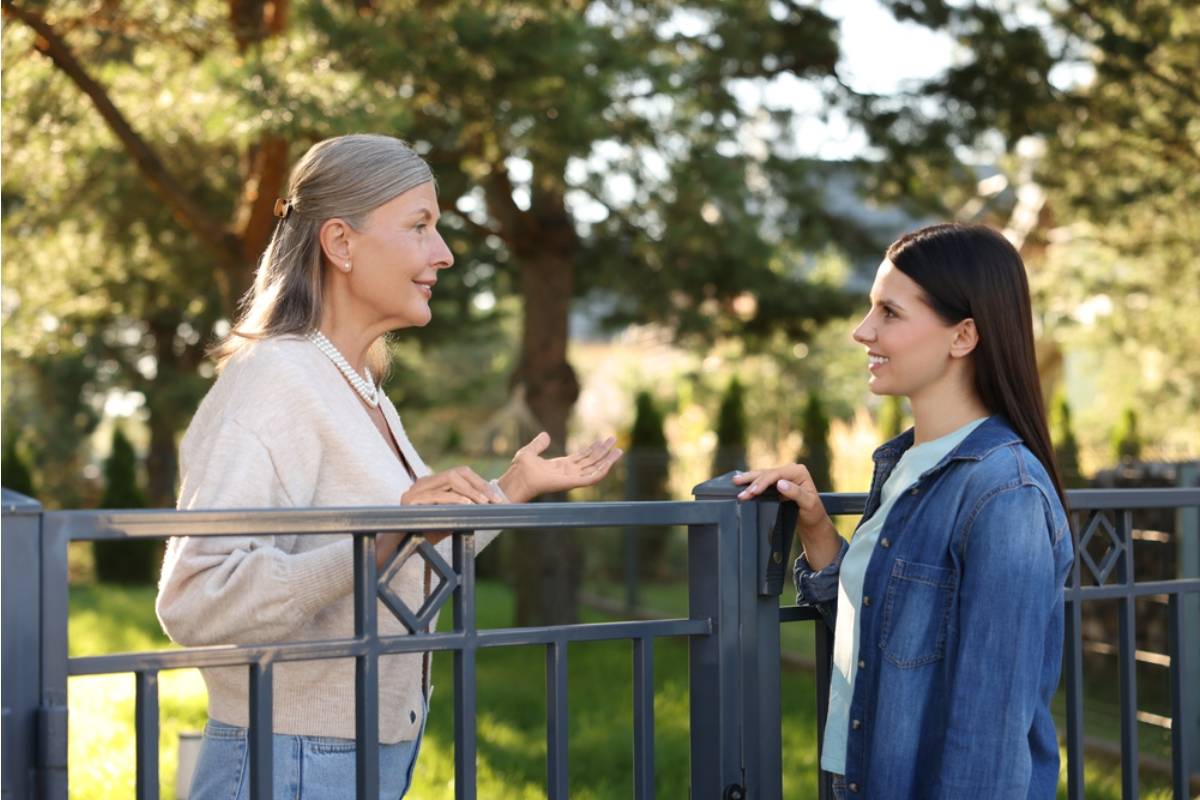
It started with a simple remark from her neighbor, Mrs. Collins, who leaned over the wooden fence one morning. She pointed at Linda’s cucumber vines and said, “You really should be trimming those differently.” Linda smiled politely, thinking it was harmless advice. She nodded but didn’t change anything. At the time, it felt like just neighborhood chatter. She had no idea it would become a daily pattern.
Advice That No One Asked For
Within a week, more neighbors began offering opinions. One suggested she was watering too much, another insisted she was watering too little. A retired man down the street told her she had planted her herbs in the “wrong seasonal rotation.” None of them agreed with each other. Linda started realizing the only consistent thing was that everyone had advice, but no one agreed on what was right.
The Garden Stops Feeling Private
Linda began noticing people pausing when they walked past her fence. Some would call out suggestions without even stopping. Others would just stand there watching her work. She started feeling like she was being observed instead of gardening in peace. The backyard that once felt like a private escape now felt exposed.
A Friendly Suggestion Turns Into Pressure
One afternoon, Mrs. Collins returned with printed gardening charts. She handed them over the fence like official instructions. “You’ll get better tomatoes if you follow this exactly,” she said. Linda thanked her but didn’t commit. Still, the charts were left on her porch the next morning. That’s when Linda realized this was no longer casual advice.
Conversations Become Interruptions
Every time Linda stepped outside, someone seemed to appear at the fence. She couldn’t weed, water, or prune without being interrupted. Even short tasks turned into discussions about technique. She started timing her gardening around when neighbors were less likely to be outside. What used to be relaxing became something she had to prepare for.
The First Moment of Avoidance
One Saturday morning, Linda looked out at her garden and hesitated before going outside. She heard voices already chatting near the fence. Instead of stepping out, she stayed inside and made breakfast. It was the first time she skipped gardening because of people, not weather or time. She didn’t tell anyone, but it bothered her more than she expected.
A Neighbor Interprets Silence as Ignorance
Later that day, a neighbor told her she “must not be serious about gardening” if she wasn’t taking advice. The comment stung more than she admitted. Linda had spent years learning through trial and error, but now it felt like none of that mattered. The assumption that she was inexperienced added another layer of frustration. She began questioning why she needed to justify her choices at all.
The Garden Becomes a Talking Point
Soon, neighbors started discussing her garden even when she wasn’t around. One said her spacing was “too random,” another claimed her soil mix was “unbalanced.” Linda heard about these conversations through others. It felt like her backyard had become a public project. She no longer controlled the narrative around it.
A Small Boundary Sparks Tension
Linda eventually asked one neighbor to stop offering constant advice. The response was immediate defensiveness. “We’re just trying to help,” she was told. But after that conversation, the tone on the street shifted. Greetings became shorter, and comments more pointed. Setting one boundary seemed to change everything.
Gardening in Silence
She began going out early in the morning, hoping to avoid interaction. Even then, she felt uneasy, like someone might appear at any moment. She worked quickly instead of carefully. The joy of gardening slowly faded into routine maintenance. The backyard no longer felt like hers in the same way.
A Friend Notices the Change
A visiting friend asked why she seemed tense in her own yard. Linda hesitated before explaining. Saying it out loud made it sound worse than she realized. Her friend suggested she was letting others “occupy her space without permission.” That idea stayed with her longer than the conversation itself.
A Direct Confrontation at the Fence
One afternoon, Linda finally addressed the group gathered near her fence. She politely said she preferred to garden without commentary. The reaction was mixed—some looked surprised, others slightly offended. One neighbor said she was “taking things too personally.” Linda didn’t respond. She simply went back inside.
The Advice Doesn’t Fully Stop
Even after the conversation, occasional suggestions still came through. Some neighbors adjusted their tone, but not their behavior. The interruptions became less frequent but more deliberate. Instead of constant comments, they came in bursts. The uncertainty made it harder for Linda to relax outside.
Linda Reclaims Her Space in Small Steps
She started spending short, intentional periods in the garden again. No conversations, no engagement, just quiet work. At first it felt awkward, like stepping back into a space that didn’t fully belong to her anymore. But slowly, she began focusing less on who might be watching. The plants needed attention, regardless of opinions.
A Different Kind of Peace Returns
Over time, the garden stopped feeling like a shared discussion and started feeling private again. The neighbors still lived nearby, but the constant commentary faded. Linda learned to continue working without responding to every voice. And while the experience changed how she saw her neighborhood, it also reminded her of something simple: her garden didn’t need approval to grow.