Gardener Says She Finally Confronted the Neighbor Who’s Been Blaming Her Compost for a Rat Problem That Started Two Houses Down
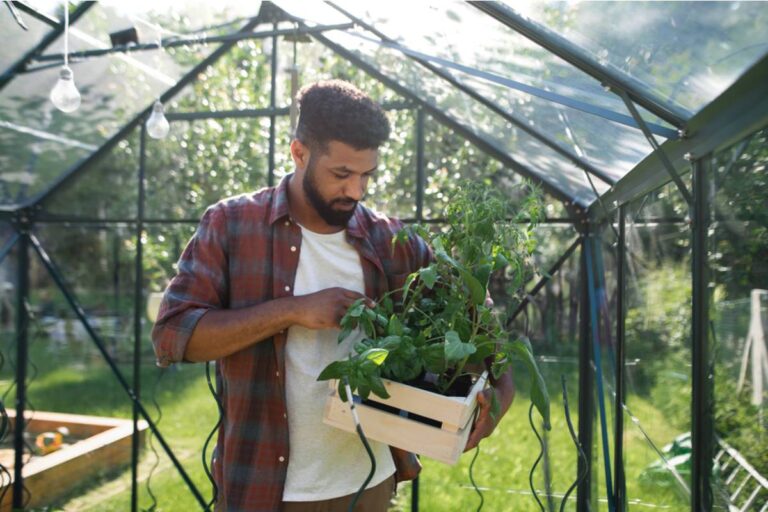
For years, Rachel Turner had been known in her neighborhood as the person who could make anything grow. Her backyard garden was filled with vegetables, flowers, and a carefully maintained compost area that helped her avoid wasting kitchen scraps.
When a rat problem appeared nearby, however, her hobby suddenly became the subject of suspicion. What began as a few comments from a neighbor eventually turned into a conflict that forced several residents to look deeper into what was really happening.
The Garden That Made Rachel a Neighborhood Favorite
Rachel had spent nearly a decade building her backyard garden from an empty patch of soil into a thriving space filled with life. She grew tomatoes, peppers, herbs, and seasonal vegetables that she often shared with neighbors.
People regularly stopped by the fence to ask how she kept everything so healthy. Rachel enjoyed helping others and never minded explaining her composting routine.
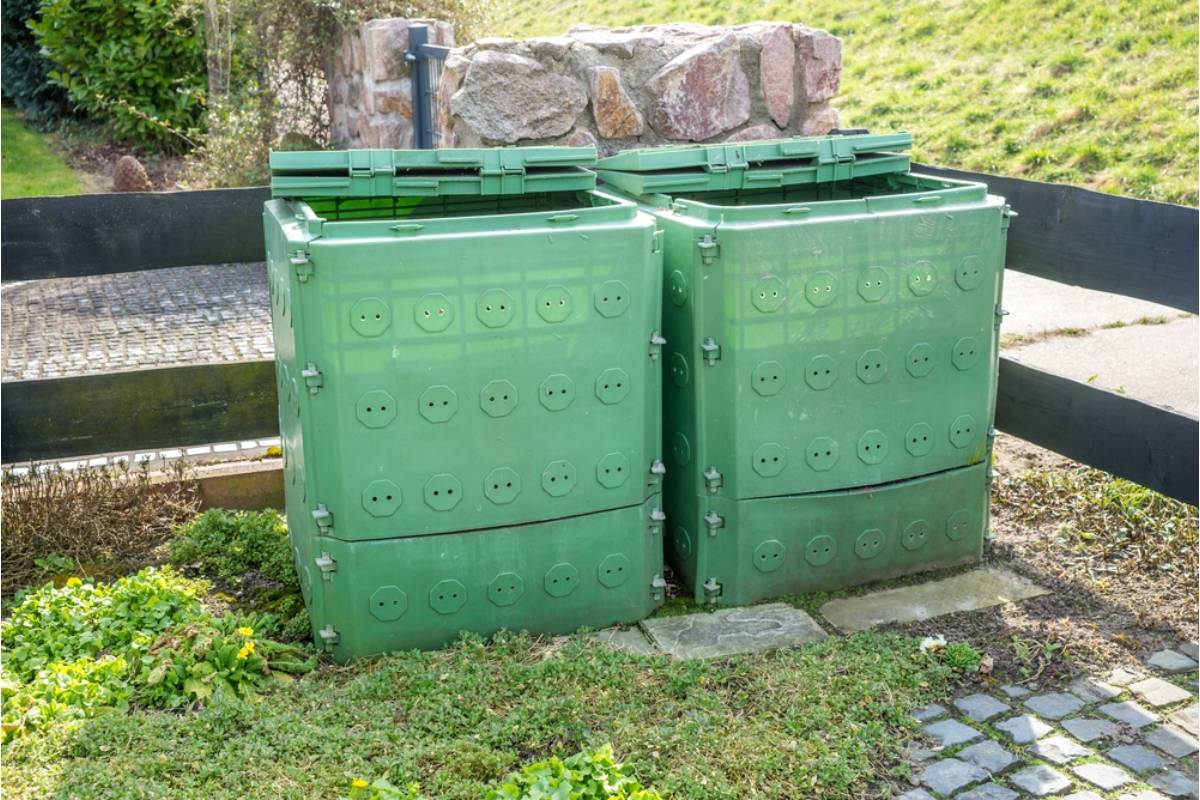
She kept a small compost area tucked behind a wooden screen at the far end of her yard. To her, it was simply another part of responsible gardening.
The First Signs of Trouble Appear Nearby
The issue started when residents on the next street began noticing signs of rodents around their homes. A few people mentioned seeing rats near trash bins and underneath old sheds.
At first, nobody knew where the problem came from. The neighborhood had older homes, shared alleys, and several areas where animals could easily hide.
Rachel only became concerned when she heard her neighbor, Mark Collins, discussing the issue outside his driveway.
A Neighbor Points the Finger at Rachel
Mark had lived next door for several years but had never shown much interest in gardening. One afternoon, Rachel overheard him telling another neighbor that he believed her compost pile was attracting rats.
She was surprised because he had never spoken to her directly about it.
Later that day, Mark approached her and said, “You might want to think about getting rid of that compost. It could be why we’re seeing these problems.”
Rachel calmly explained that her compost was properly maintained, but Mark seemed unconvinced.
Rachel Tries to Explain How Compost Works
Rather than argue, Rachel invited Mark to see the compost area himself. She showed him how she covered food scraps, balanced green and brown materials, and avoided adding things that attract pests.
She explained that a neglected compost pile could create problems, but a properly managed one usually did not.
Mark looked around but still seemed doubtful. He said he understood her explanation but believed the timing was too suspicious.
The Accusations Start Spreading
Over the next few weeks, Rachel noticed a change in how some neighbors treated her. Conversations became quieter when she walked by, and a few people stopped asking about her garden.
One neighbor even asked whether she had considered removing the compost “just to be safe.”
Rachel felt frustrated because she believed she was being blamed without evidence. She had spent years helping people with gardening, and suddenly her hobby was being treated like a problem.
A New Discovery Changes the Situation
The turning point came when another resident found signs of rats near an abandoned storage area behind two houses from Rachel’s property.
The homeowner, Linda Hayes, discovered old boxes, broken furniture, and piles of unused materials where rodents had been nesting.
She immediately contacted the neighborhood group and shared pictures of what she found.
The discovery raised questions about whether everyone had blamed the wrong person.
Mark Refuses to Back Down
Even after the discovery, Mark remained convinced that Rachel’s compost was part of the issue. He argued that food scraps anywhere in the neighborhood could make the situation worse.
Rachel understood his concern about the rats, but she felt he was ignoring the facts because her compost was the easiest thing to blame.
She decided that avoiding the conversation was no longer helping.
The Conversation Rachel Had Been Avoiding
One evening, Rachel walked over to Mark’s house and asked if they could talk. She told him she wanted to clear the air instead of letting resentment grow.
“I understand that you’re worried about the rats,” she said. “But I’ve felt like you’ve already decided I caused this without checking what was actually happening.”
Mark looked uncomfortable. He admitted he had never inspected the other areas where rats had been reported.
The Neighborhood Investigation Begins
After Rachel’s conversation with Mark, several residents agreed to inspect the places where rats had been spotted.
They checked areas behind garages, old wood piles, storage spaces, and places where trash was sometimes left outside.
They found several possible sources, including uncovered garbage containers and the abandoned storage area.
Rachel’s compost was inspected too, and everyone saw that it was not creating the conditions they feared.
A Community Meeting Reveals the Truth
The neighborhood association held a meeting to discuss the ongoing problem. Residents brought photos and shared what they had discovered.
Linda explained how the abandoned storage area had provided shelter for the rodents. Others mentioned issues with trash pickup and outdoor storage.
For the first time, the conversation moved away from blaming one person and focused on solving the actual problem.
Mark Finally Admits He Was Wrong
After the meeting, Mark approached Rachel privately. He admitted that he had jumped to conclusions because her compost was the most visible thing that looked unusual to him.
“I should have asked questions before blaming you,” he said.
Rachel appreciated the apology but told him she hoped the experience would remind everyone to look for facts before accusing neighbors.
The Compost Becomes a Teaching Tool
Instead of hiding her compost, Rachel decided to use the situation as a chance to educate others. She invited neighbors to see how she maintained it and explained simple ways to avoid attracting pests.
Several residents became interested in starting their own compost systems.
Even Mark eventually asked Rachel for advice about improving his backyard garden.
The Neighborhood Problem Finally Improves
After residents removed possible nesting areas and improved trash storage, the rat sightings became less frequent.
The neighborhood learned that the solution required everyone working together rather than blaming one household.
Rachel’s garden continued growing, and her compost remained exactly where it had always been.
The difference was that people now understood how it worked.
A Conflict Turns Into a Lesson About Trust
Looking back, Rachel admitted that the hardest part of the situation was not the accusations themselves. It was feeling like years of responsible gardening were ignored because of one assumption.
The experience changed how neighbors communicated with each other. People became more willing to ask questions before forming opinions.
Rachel still shares vegetables from her garden, but now she also shares the story of how quickly a misunderstanding can spread when nobody takes the time to find the truth.