Gardener Says She Left a Basket of Free Vegetables Outside Once, Now People Get Upset When It Isn’t Refilled
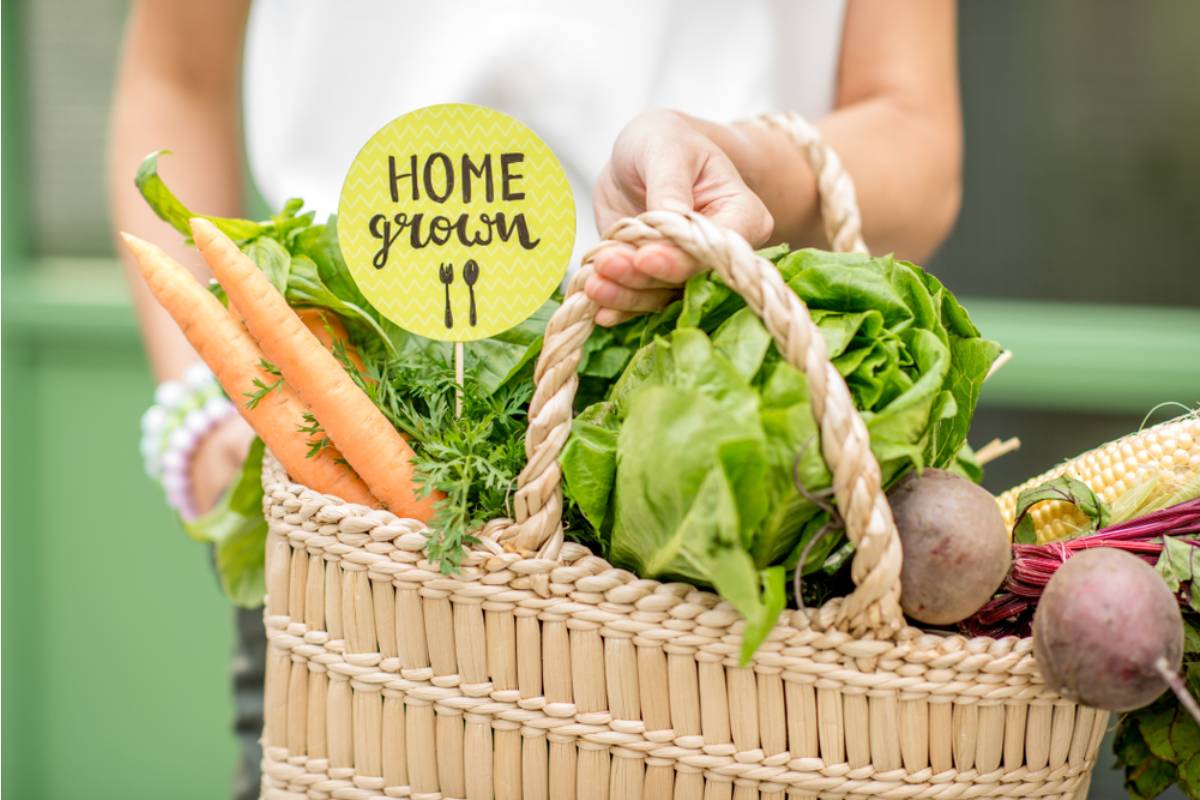
For years, Linda Harper loved sharing extra vegetables from her backyard garden with friends and neighbors. Her tomato plants produced more than her family could eat, and her zucchini harvest often seemed endless. One summer afternoon, she placed a small basket near the sidewalk with a handwritten note that said, “Free Vegetables, Please Take What You Need.” She expected it to be a one time gesture. Instead, that simple act changed the relationship between her garden and the entire neighborhood in ways she never anticipated.
The Basket Disappears Within Hours
Linda checked the basket later that evening and found it completely empty. She smiled, assuming a few neighbors had enjoyed the surprise. The next morning, several people thanked her while walking past the house. The reaction felt warm and encouraging. She considered the experiment a success.
A Second Offering Draws More Attention
A week later, Linda left another basket outside. This time, people arrived almost immediately after she set it down. One neighbor even called a friend to let them know fresh vegetables were available. Linda laughed when she heard about it. She still viewed the whole thing as a harmless act of generosity.
People Begin Expecting It
Soon neighbors started asking when the next basket would appear. At first, the questions seemed friendly. Then they became increasingly specific. Some people wanted to know what vegetables would be included. Others asked whether she planned to make it a regular tradition.
The First Complaint Arrives
One Saturday, Linda skipped putting out a basket because the harvest was smaller than usual. That afternoon, a neighbor stopped by and asked why there were no vegetables available. The question caught Linda off guard. She explained there simply were not enough extras. The neighbor seemed disappointed in a way Linda found surprising.
A Message Appears Online
A community social media page suddenly featured a post asking what happened to Linda’s free vegetable basket. Several residents commented beneath it. Some joked about missing their weekly produce. Others speculated that she had stopped growing vegetables altogether. Linda could not believe people were discussing her garden online.
Visitors Start Knocking on the Door
Instead of checking for the basket, some neighbors began ringing the doorbell directly. They asked whether extra vegetables were available inside. A few requested specific items they had enjoyed previously. Linda started feeling uncomfortable. What had once been a gift now felt like an obligation.
A Family Member Speaks Up
Linda’s daughter pointed out that people were treating the basket like a service rather than a favor. At first Linda resisted that idea. Then she noticed how many conversations focused on expectations rather than appreciation. The observation changed how she viewed the situation. She realized something had shifted.
One Person Takes More Than Everyone Else
When Linda did leave vegetables outside, one particular resident often emptied most of the basket before others arrived. Several neighbors complained about it. Suddenly Linda found herself caught in disputes she never intended to create. People began comparing who received vegetables and who did not.
A Sign Causes Unexpected Drama
Trying to solve the problem, Linda added a sign asking people to take only a few items each. The reaction was immediate. Some appreciated the request. Others accused her of creating unnecessary rules. The simple sign sparked arguments among people she barely knew.
The Harvest Shrinks
A stretch of difficult growing conditions reduced Linda’s output significantly. She had fewer tomatoes and almost no squash that season. Instead of understanding, some neighbors expressed frustration. One even asked whether she could purchase vegetables elsewhere to keep the basket stocked. Linda thought they were joking until she realized they were serious.
An Awkward Grocery Store Encounter
While shopping one evening, Linda ran into a neighbor who immediately asked when the basket would return. The conversation lasted longer than the actual grocery trip. Linda left feeling strangely guilty about vegetables she had never promised anyone. That feeling irritated her more than she expected.
The Decision to Stop
Eventually, Linda stopped putting vegetables outside altogether. She still shared produce with close friends and family, but the public basket disappeared. For several weeks, people continued asking about it. Some accepted her explanation. Others seemed genuinely upset.
A New Tradition Emerges
Months later, another gardener down the street started offering extra vegetables occasionally. This time, residents approached it differently. They treated each basket as a pleasant surprise rather than a guarantee. Linda quietly appreciated the change. It suggested the neighborhood had learned something.
Looking Back on a Simple Gesture
Linda never regretted sharing her harvest. What surprised her was how quickly a voluntary act became an expectation in other people’s minds. The basket had started as a spontaneous expression of generosity. By the end, it felt like a responsibility she never agreed to carry. And the experience taught her that sometimes the hardest part of giving is deciding where generosity should end.