Gardener Says She Planted a Privacy Hedge Along the Property Line Years Ago, Now Her Neighbor Wants Her to Cut It Down Because It’s “Blocking Their Solar Panels”
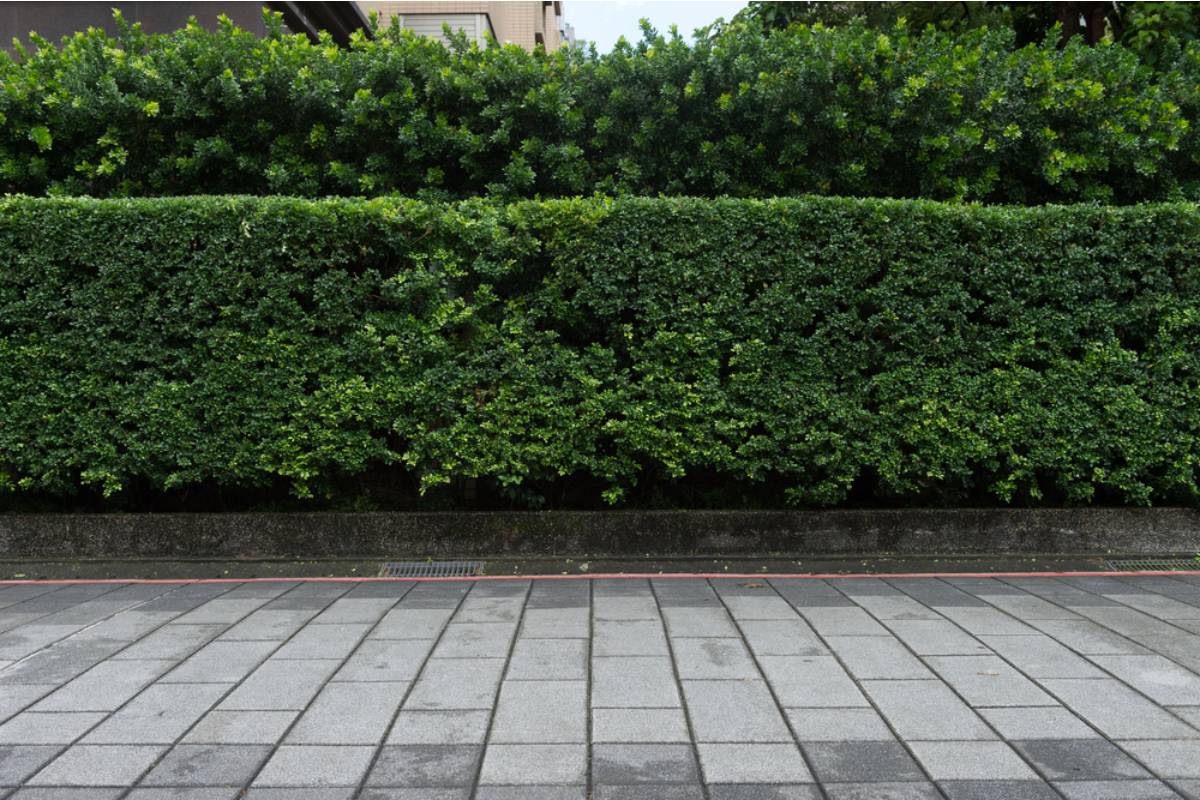
The hedge had been planted long before solar panels were ever part of the conversation. The gardener chose it carefully, a mix of evergreen shrubs meant to form a dense privacy barrier between two closely spaced backyards. Over the years it grew into a solid green wall that softened noise and blocked direct views into her patio. It also became part of the rhythm of her gardening routine, trimmed lightly but left mostly natural. That balance changed the day the neighbor raised a new concern.
A hedge that grew into a boundary wall
For years, the hedge had quietly thickened along the property line without any disputes. It reached a height that gave both yards a sense of separation without feeling overwhelming at first. The gardener occasionally shaped it to keep branches from leaning too far outward. Nothing about it seemed controversial or unusual in the neighborhood. It was simply part of how the yard worked.
Solar panels appear next door
One summer, the neighbor installed a row of rooftop solar panels facing the backyard. At first, the gardener thought nothing of it since they were high above the hedge line. The installation crew worked for several days and then disappeared. The panels began collecting sunlight without issue. The hedge remained untouched and unchanged during that period.
First mention of shading concerns
A few weeks later, the neighbor mentioned that the hedge might be affecting panel efficiency. He said shadows in the late afternoon were slightly reducing output. The gardener listened but pointed out that the hedge had been there long before the panels. The neighbor nodded but insisted they needed to “look into it further.” The conversation ended without agreement.
Request to trim becomes more direct
The neighbor soon returned with a clearer request, asking if she could significantly cut the hedge height. He explained that even small amounts of shading could affect long term energy savings. The gardener was surprised by the expectation that she modify a long established boundary. She offered to trim lightly, but not reduce the structure. That answer did not satisfy him.
First inspection by a solar technician
A technician hired by the neighbor visited to assess the panel performance. He measured light exposure at different times of day and noted partial shading during late afternoon hours. However, he also explained that the panels were still operating within expected range. He suggested trimming the hedge could improve efficiency but was not strictly necessary. The report added tension rather than clarity.
Hedge health becomes part of the debate
The gardener expressed concern that heavy trimming would permanently damage the hedge structure. She explained that mature hedges take years to recover from aggressive cuts. The neighbor countered that renewable energy benefits outweighed landscaping preferences. Both sides began framing the issue differently. What started as a simple request became a disagreement about priorities.
HOA gets involved after complaint
The neighbor brought the issue to the homeowners association, claiming obstruction of solar access. The association reviewed property guidelines and found no specific height restrictions for existing vegetation. They suggested mediation between both parties. The hedge remained unchanged during the process. Tension in the neighborhood quietly increased.
First attempt at partial trimming
In an effort to compromise, the gardener agreed to trim a small section of the hedge facing the panels. She carefully reduced a few upper branches without altering the overall structure. The change was minimal but noticeable. The neighbor claimed it was not enough. The disagreement continued without progress.
Visible difference in sunlight patterns
After trimming, the neighbor reported slight improvement in panel output during certain hours. However, shadows still formed as the sun shifted later in the day. The gardener pointed out that complete removal would be required to eliminate shading entirely. That suggestion was not acceptable to her. Both sides reached another impasse.
Mediation meeting reveals deeper frustration
A formal mediation session was arranged through the association. The neighbor argued that renewable energy investment should not be hindered by vegetation. The gardener responded that mature landscaping cannot be treated as flexible infrastructure. The mediator noted both positions were reasonable but incompatible. No binding solution was reached.
Unexpected proposal for hedge replacement
The neighbor proposed replacing the hedge entirely with a lower decorative border. The gardener rejected the idea immediately, stating it would eliminate privacy she had maintained for years. She also pointed out that the hedge served noise reduction and wind protection. The proposal intensified the disagreement. Trust between both parties weakened further.
Solar consultant revises expectations
A second solar consultant reviewed the setup and suggested adjusting panel angle rather than altering the hedge. This would reduce shading impact without requiring landscaping changes. The neighbor was hesitant but acknowledged the technical possibility. The gardener considered this a more balanced solution. The discussion shifted slightly toward compromise.
Final arrangement leaves both sides uneasy
Eventually, no major changes were made to the hedge or solar panel system. The panels continued operating with minor seasonal shading, and the hedge remained intact. The neighbor expressed ongoing frustration but stopped formal complaints. The gardener maintained her original landscaping with only light seasonal trimming. The situation settled into quiet coexistence, though neither side fully agreed with the outcome.