Gardener Says She Spent a Decade Growing the Same Iris Bed Her Late Husband Dug for Her When They Bought the House, Then Her Daughter Wanted It Paved for a Patio
The iris bed began as a rectangle of hard clay near the front walk, nothing more than a stubborn patch of ground that refused to grow grass. The homeowner’s husband had spent an entire weekend turning the soil with a borrowed tiller after they bought the house, joking that every marriage needed a project that would keep both people outdoors long enough to stop arguing about paint colors.
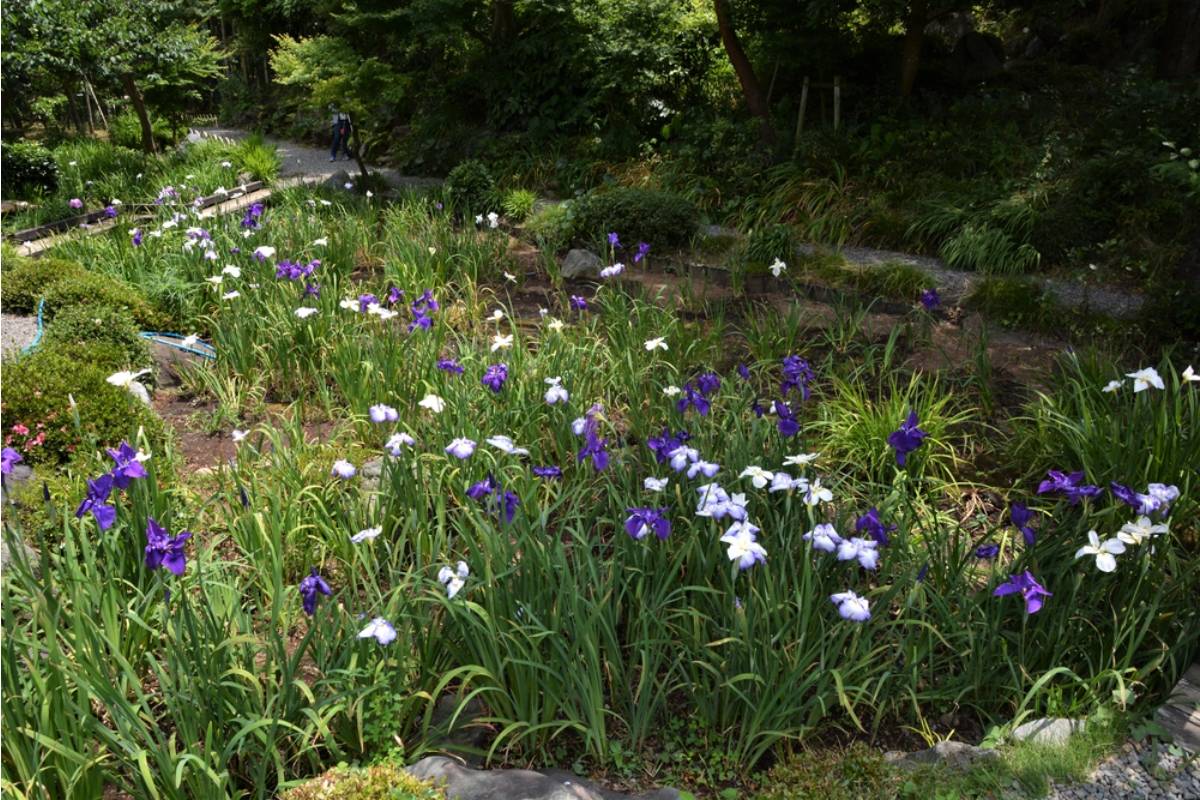
She planted the first rhizomes while he measured the border stones, and by the following spring the flowers had opened in waves of purple, white, and deep blue. Over the years the bed became less of a garden feature and more of a marker for anniversaries, birthdays, and ordinary evenings spent watering together.
After her husband died unexpectedly, caring for the irises became the one routine that still felt connected to the life they had built side by side.
The Suggestion Arrived During a Casual Visit
Her daughter Claire visited one Saturday afternoon carrying takeout containers and a folder of renovation ideas for the house. They ate lunch at the kitchen table while discussing repairs that would eventually be needed as the homeowner grew older.
When Claire unfolded a landscape sketch, she pointed directly at the front bed. “This area would make a beautiful stone patio,” she said. “You could put a table here and not have to bend over weeding anymore.” The homeowner thought she was joking until Claire began explaining drainage, paving materials, and furniture placement with the confidence of someone who had already researched contractors.
A Silence That Lasted Too Long
The homeowner stared at the drawing without speaking. Claire mistook the silence for hesitation and continued describing how much easier maintenance would be.
Finally her mother asked quietly, “You want to cover the irises?”
Claire replied, “Not because I don’t like them. I just think the space could be more practical.” The word practical landed harder than either of them expected, as though ten years of careful tending had suddenly been reduced to an inconvenience.
The Garden Looked Different After the Conversation
That evening the homeowner walked slowly around the bed, touching leaves and spent flower stalks the way some people touch framed photographs. She remembered exactly where her husband had stood while marking the outline with twine.
Near the center was a cluster of pale lavender irises grown from divisions of the original plants. He had called them the “welcome flowers” because they were the first thing visitors saw from the porch. The thought of stone covering that spot made her chest tighten unexpectedly.
Claire Returned With Measurements
A few days later Claire came back carrying a tape measure and a notebook. She asked if she could take dimensions “just to see what would fit.”
The homeowner watched from the porch as Claire stretched the tape across the bed. Seeing those numbers written down made the project feel suddenly real. When she finally interrupted, Claire looked surprised and said, “Mom, I’m only planning ahead. I’m trying to help.”
Old Grief Rose in a New Argument
The discussion quickly moved beyond landscaping. Claire admitted she worried about her mother managing the property alone, especially after a recent fall while carrying watering cans.
Her mother responded that the irises were not the reason she had slipped. Claire countered that the garden represented work she no longer needed to do. What neither of them said directly was that one woman saw flowers while the other saw the last visible evidence of a marriage that had ended too soon.
A Neighbor Shared an Unexpected Memory
The next morning, longtime neighbor Mrs. Donnelly stopped by with zucchini from her garden. After hearing a brief version of the disagreement, she looked toward the irises and smiled sadly.
“I remember your husband digging that bed,” she said. He kept coming over to borrow my shovel because the roots from that old maple tree kept catching on his tiller.
Then she added something the homeowner had forgotten. He told me he wanted flowers that would come back every year even when the two of you were too busy to plant anything new.
Claire Heard the Story for the First Time
Mrs. Donnelly happened to repeat the memory later that week when Claire visited again. Claire listened quietly, then asked her mother, “You never told me he said that.”
The homeowner admitted she had forgotten until hearing it aloud. For a moment the conversation lost its sharp edge. Claire sat on the porch steps looking at the bed rather than at the renovation sketch still folded beside her.
A Contractor Complicated Everything
The fragile peace disappeared when a landscaping contractor unexpectedly arrived at the house. Claire had asked for a rough estimate without mentioning it to her mother.
The man walked around the front yard discussing excavation depth, retaining edges, and where heavy equipment could enter. Hearing strangers talk about removing the irises as though the decision were already made left the homeowner furious. After the contractor left, she accused Claire of treating her house like a project she was taking over.
The Argument Became About Ownership
Claire defended herself by saying she was trying to think about the future before a crisis forced difficult decisions. Her mother responded that planning did not give her permission to start arranging demolition.
Voices rose until both women were speaking over each other. Claire finally said, “I can’t keep pretending this place doesn’t need changes.”
Her mother answered, “And I can’t keep pretending the flowers don’t matter.”
An Empty Chair Changed the Mood
Later that night, Claire noticed the old metal chair still sitting beside the iris bed. It had belonged to her father, who used it every spring while dividing rhizomes.
The paint was chipped, and one leg had been repaired with a welded brace years earlier. Claire suddenly remembered being a teenager and watching her parents argue about where to plant new varieties, only to end the afternoon laughing with dirt on their hands. The memory unsettled her because it made the bed feel less like landscaping and more like a preserved piece of family history.
A Different Proposal Emerged
The next visit began quietly. Claire brought coffee instead of renovation papers and asked if they could walk the yard together.
Near the driveway was an unused gravel area large enough for a seating space. Claire suggested building a smaller patio there while leaving the iris bed untouched. She admitted she had focused so much on convenience that she never stopped to ask why the flowers mattered so deeply.
The Compromise Took Shape Slowly
They spent several weekends clearing the gravel area together. Claire learned how to divide irises and transplant a few overflow clumps to a new border near the back fence.
Working side by side changed the tone of their conversations. The homeowner talked about the first years in the house, while Claire shared worries she had hidden about balancing her own family with concern for her mother’s future. The project stopped feeling like a battle between past and present and became a way of making room for both.
The Bloom That Ended the Dispute
The following spring the iris bed produced one of its best displays in years. Tall stems swayed above the stone border her husband had originally laid, and the lavender “welcome flowers” opened almost simultaneously.
Claire stood beside her mother on the front walk and said quietly, “I understand now why paving this would have felt wrong.
Her mother nodded without taking her eyes off the blooms. The patio by the driveway was nearly finished, giving them a place to sit together in the evenings, but the irises remained exactly where they had always been.
Looking at the flowers, both women realized the bed was not preventing the house from changing. It was reminding them that some parts of a home carry the people who built it, and preserving those parts can be just as practical as creating something new.