Hardwood Cuttings Kept at 32 to 40 Degrees Over Winter Can Root Into New Shrubs, Iowa State Extension’s Randall Vos Explains
Once the leaves drop, the shoots pruned from forsythia, dogwood, hydrangea and other woody plants can become planting material instead of yard waste. Randall Vos of Iowa State University Extension and Outreach explains that cuttings collected in late fall or early winter can be stored at about 32 to 40 degrees Fahrenheit in moist media and later root into new shrubs, according to the Yard and Garden guide he wrote.
The same guide gives a simpler option for Iowa: take cuttings in late February or early March, while the plant is still dormant, and stick them right away. The cold-storage route is the one for gardeners who prune this fall.
Which Shrubs, Trees and Vines Take Hardwood Cuttings
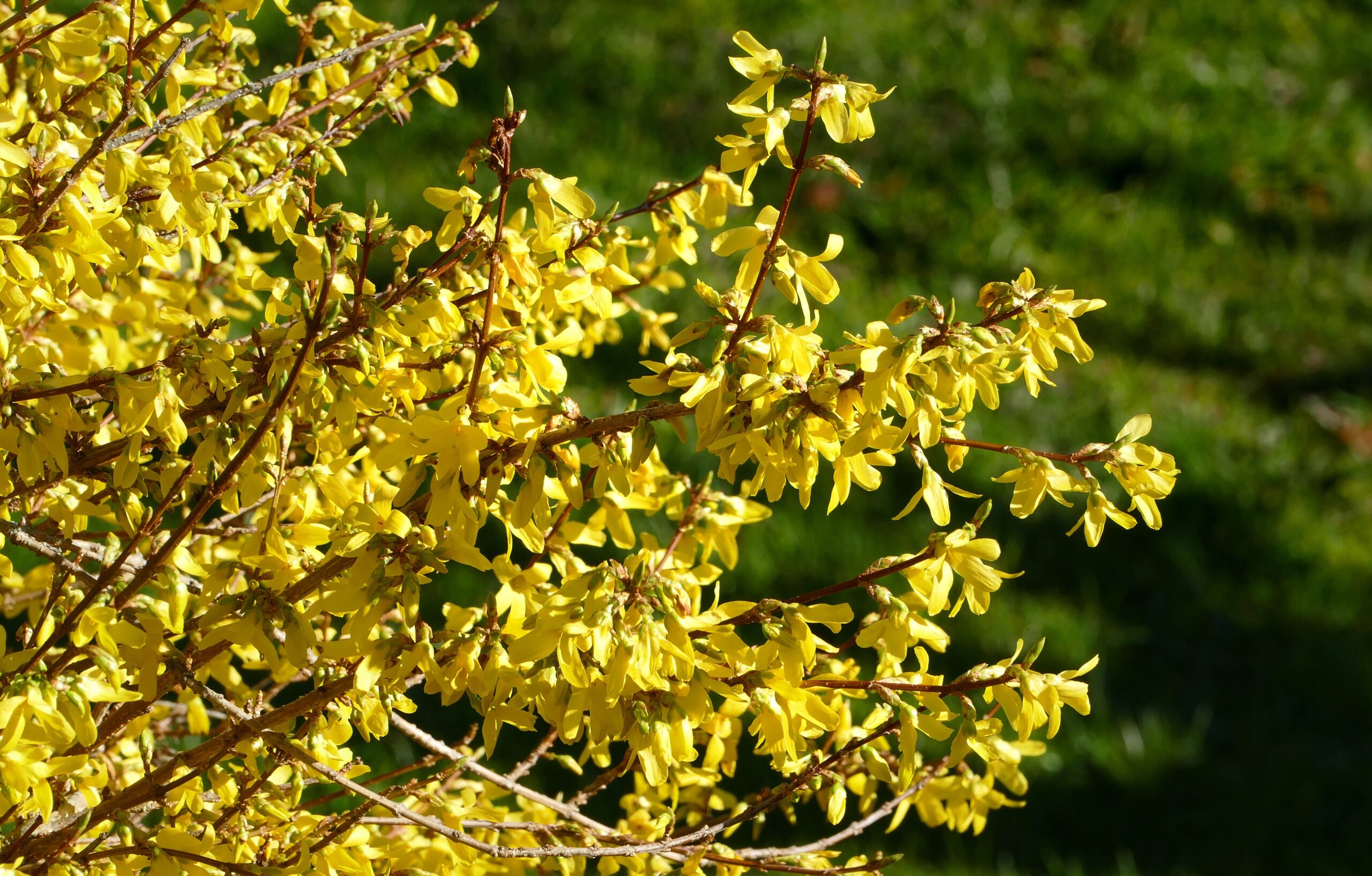
Vos lists blueberry, dogwood, elderberry, forsythia, hydrangea, rhododendron and viburnum among the shrubs that can be propagated this way. Trees include many conifers, poplar and willow, and vines include bittersweet, Boston ivy, grapevines, trumpet vine and Virginia creeper. Some patented cultivars prohibit vegetative propagation, so a plant tag is worth checking before cutting.
A shorter list appears in an Iowa State Yard and Garden answer by Richard Jauron. The answer names willow, poplar, dogwood, forsythia, wisteria, grape, currant, gooseberry and elderberry as plants that can be propagated from hardwood stem cuttings.
Picking Wood That Will Root
Cuttings come from shoots that grew the previous season and hardened off. Vos says to use one-year-old wood from vigorous shoots with thin buds, and to avoid twigs with plump buds, which are likely flower buds. A terminal bud is preferred, though elderberry, grapevine and hydrangea will root without one.
Some vines, such as grapevines, do not harden every shoot, so Vos advises cutting through a shoot to check whether the tissue is alive. For trees, the best wood comes from the juvenile zone in the interior of the canopy, and suckers from grafted trees should be skipped because they are usually rootstock. Epicormic shoots, or water sprouts, root well. Willow may root better from two-year-old wood, the type used for live staking.
Jauron’s answer on collection timing adds that the wood should come from healthy, vigorous plants growing in full sun, and that collection should happen in late winter when the plant material is dormant.
Storing Cuttings at 32 to 40 Degrees
For cuttings collected in late fall or early winter, Vos says to wait until the plant is fully dormant, then store the cuttings in moist media at about 32 to 40 degrees. They should be kept away from fruit, because ethylene given off by fruit can harm them. Cuttings taken in late winter or early spring can be stuck immediately.
Clemson University’s Home and Garden Information Center describes a home version of the same idea. In its hardwood cuttings factsheet, Cory Tanner says to take cuttings in fall right after leaves drop. Hardy plants such as crape myrtle and forsythia can be rooted right away, while cold-sensitive plants such as pomegranate and fig are refrigerated over winter and stuck in early spring.
Tanner says refrigerated cuttings go in the crisper drawer, wrapped in a damp, not wet, paper towel inside a plastic bag, and should not be frozen. Potted cuttings can instead spend the winter in an unheated garage or shed, with temperatures cool enough to prevent early leafing but not freezing.
Cutting, Sticking and Waiting for Roots
Vos says traditional hardwood cuttings run 3 to 12 inches depending on the plant, cut with a bypass pruner. Jauron’s answer on cutting size gives most hardwood stem cuttings as 4 to 12 inches long and a quarter inch to 1 inch thick, with at least two nodes. The bottom cut goes just below a node and the top cut a half inch to 1 inch above a node. Clemson’s factsheet describes cuttings about 6 inches long and pencil-thick.
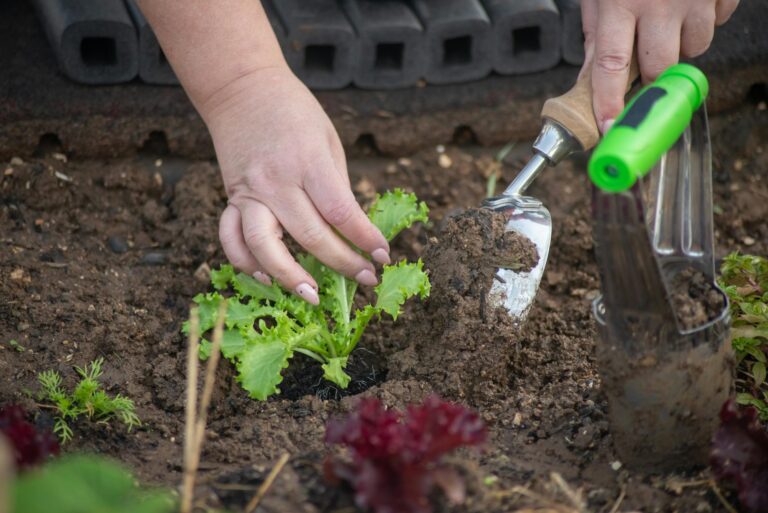
Vos says cuttings go in base-down with at least one bud above and one below the media, and the media is lightly firmed around each. Rooting hormone is optional but can increase the rooting percentage, speed rooting and produce more roots; powder is the most common form, only the part that will sit in the media gets dipped, and too much reduces success.
His recommended mix is coir or peat moss with coarse perlite in a container with drainage holes, watered and drained before the cuttings go in. Clemson’s factsheet suggests a 50/50 mix of pine bark and horticultural perlite in a clean 3-gallon nursery pot filled two-thirds full, with 10 to 12 cuttings about 2 inches apart and the upper 2 inches exposed.
Keeping the media 5 to 10 degrees warmer than the air speeds rooting, Vos says, and it should stay moist but not saturated, in bright indirect light and inspected daily. Rooting usually takes 6 to 8 weeks for traditional cuttings, he says, and a few can be checked after 4 to 5 weeks by gently tugging; if the stem cross-section is still green, the cutting may still root. Clemson lists new leaves in spring and healthy roots emerging from the drain holes as the signs to wait for before separating and repotting.
When the Rooted Shrubs Go Outside
Vos says rooted cuttings should be transplanted when roots reach the edge of the container, after hardening off for a few days. Young plants can go into the ground in early fall or into a nursery bed for one to two years first. Live stakes, which are 18 to 30 inches long and a half inch to 1.5 inches thick, are stuck once the soil thaws in early to mid-spring, with at least one-third of the length below ground. Planting too late, the guide says, stresses the young plant.
Get stories like this by email. Sign up for The Parent Diaries Letter.
This article was produced with AI assistance and edited for accuracy against the sources linked above.
Image: W.carter, public domain, via Wikimedia Commons