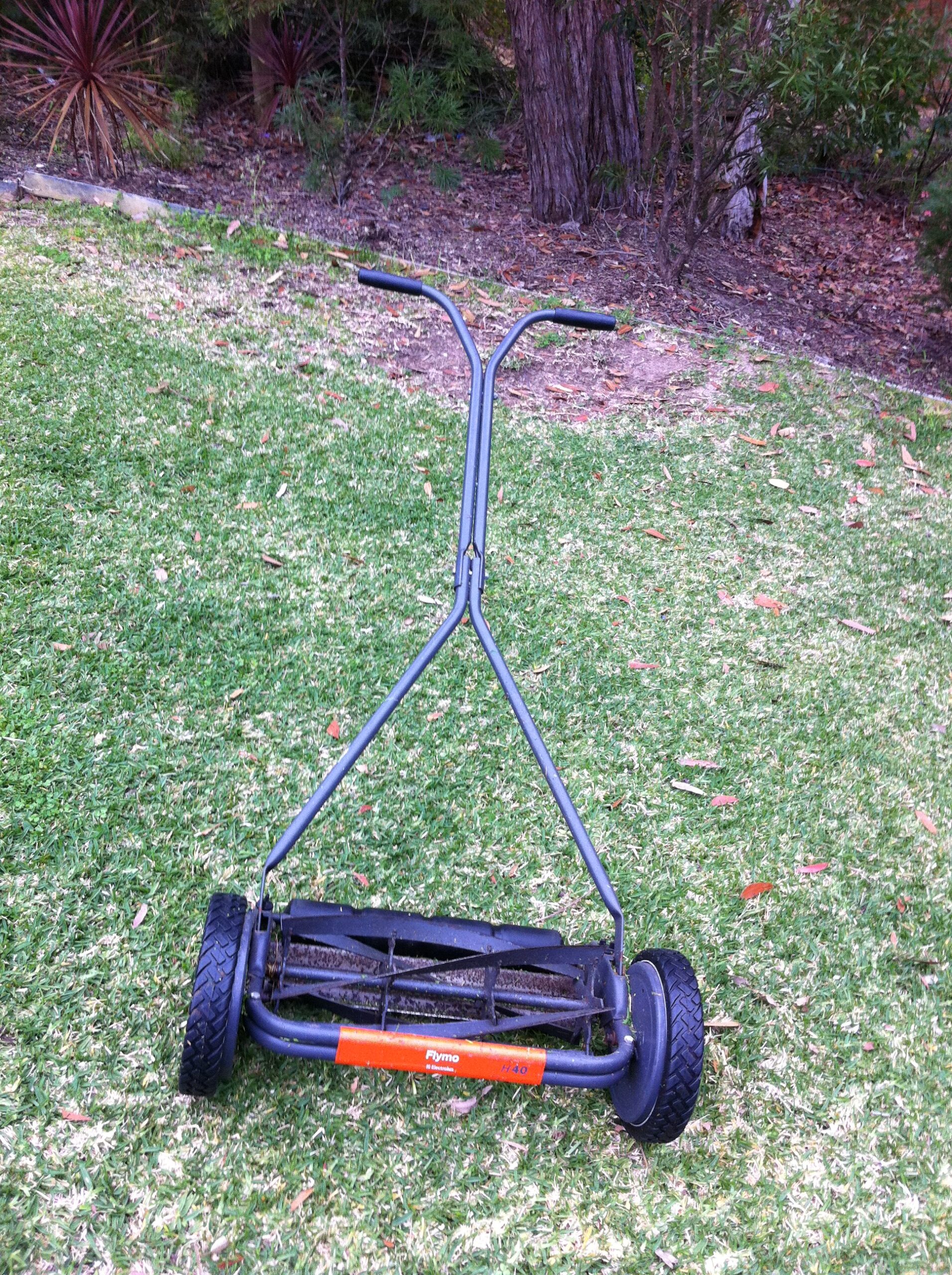
A Teaspoon of Clean Oil in the Cylinder Is One of the Steps Nebraska Extension Lists for Putting a Lawn Mower Away for Winter
One teaspoon of clean oil, poured into the cylinder through the spark plug hole, is a small step with a clear job. Sarah Browning, a Nebraska Extension educator in Lancaster County, lists it in her guide to winterizing landscape equipment, and the oil coats the cylinder walls and valves while the engine sits idle for the winter.
It is only one item on a longer list. Extension services in Nebraska, Missouri, Arkansas and Florida all describe the same fall routine for mowers, hoses and hand tools.
The Mower: Empty Fuel, Fresh Oil and a Sharp Blade
Browning’s list for mowers and other small engines starts with cleaning off oil, dirt and grass clippings. Then comes the fuel: empty the tank and engine, or run the engine until it stops on its own. Next, change the oil, clean and sharpen the blade, adjust and lubricate moving parts, and clean or replace the air filter.
The teaspoon comes near the end. Nebraska Extension says to remove the spark plug and add “a teaspoon of clean oil” to the cylinder. The engine is then turned over with the starter so the oil spreads over the cylinder walls and valves, and the old spark plug goes back in or a new one replaces it.
The University of Missouri Extension’s November gardening tips make the fuel point in plain terms: “All power equipment should be winterized by running equipment out of gas or by adding fuel stabilizer before storage.” The page also suggests changing the oil, replacing air filters and sharpening blades, and storing the mower with clean oil and an empty fuel tank.
Taylor Vandiver, a horticulture extension agent with UF/IFAS in Leon County, Florida, recommends checking the owner’s manual first. For a four-cycle engine, she writes, the oil is changed and the gasoline drained, and the engine is run briefly to coat the cylinder walls with oil before the spark plug is replaced. She also advises avoiding storing gasoline over the winter, since old fuel does not ignite easily.
Two-cycle engines are different. Vandiver says the oil-gas mixture is removed by running the engine with the choke open. Oklahoma State University Extension adds in a November gardening column that two-stroke fuel should not be mixed with regular gasoline, and that grass and debris above and below the deck should be cleaned out. Exposed metal parts, the column says, can be repainted or given a light coat of oil to prevent rust.
The University of Arkansas Division of Agriculture lists “clean and sharpen or replace lawn mower blades” among its November garden chores. A blade sharpened now is one less job in spring.
Browning has two more suggestions. The battery tops should be cleaned and the battery stored where it will not freeze. She also recommends ordering spring replacement parts now and taping them to the machine with a note on where they are kept.
Engines that will keep running through winter, such as chainsaws, are handled differently. Nebraska Extension says they should be drained and refilled with winter-grade gasoline in late fall.
Hoses and Sprinklers: Drain Every Line and Store Without Kinks
Water left in a hose can do real damage once temperatures drop. The Arkansas November guide says to empty hoses and other irrigation tools and store them away, because water left inside in freezing temperatures can damage them, and the page ties that damage to leaks the following season.
Browning gives the same first step: drain all water from the hose. How it is stored matters as well. Nebraska Extension says to keep it coiled and lying flat, or draped over a support or reel. Hanging it on a nail, or leaving it on the ground with kinks, should be avoided because sharp bends weaken the hose and can cause cracks.
UF/IFAS agrees. Vandiver advises storing hoses dry on supports or reels, or coiled loosely, and says hanging them on nails can cause sagging and kinking.
The same fall cleanup extends to sprayers and spreaders. According to Nebraska Extension, these should be cleaned thoroughly so chemicals do not clog moving parts or nozzles. Fertilizer spreaders should be washed out, with the residual fertilizer allowed to soak into the lawn, and then left to dry. Moving parts get lubricated, and rust-prone metal gets rubbed with an oily rag before storage.
Arkansas Extension also mentions unsealed clay pots, which can crack if left out in rain and freezing temperatures, so the page says to store them. The same page notes that a small, shallow pond can be kept from freezing over with a stock tank heater.
Shovels, Hoes and Pruners: Scrub, Oil the Metal and Treat the Wood
Hand tools get the simplest treatment. Nebraska Extension says to remove soil from metal parts and wipe them with an oily rag, check for loose screws or nuts and tighten them, and replace weak, damaged or broken handles. Tools should then be kept in a dry place.
Wood handles and ladders can be treated with a preservative made of 1 part linseed oil to 2 parts paint thinner, applied with a brush, according to Browning. Pruning tools need an extra step: sap and pitch come off with a rag dipped in paint thinner, then the blades are sharpened and oiled before storage.
The Arkansas guide recommends cleaning and disinfecting tools such as shovels, spades, hoes and nippers with a bleach solution or disinfectant wipes. They should dry fully, and then the metal and wood get a light coat of oil. Mineral oil or linseed oil protects the wood and prevents rust. The page adds that all tools should go in a cool, dry place away from the elements. Missouri Extension puts it briefly: “Clean and oil all garden hand tools before storing for winter.”
Vandiver’s UF/IFAS post adds a few details. Caked-on dirt and plant matter come off with a wire brush, scraper or a strong stream of water. Pivot points and springs get lubricated, and bare metal and cutting edges can be sprayed with a penetrating oil such as WD-40. Wooden handles are wiped with boiled linseed oil to reduce cracking. Wheelbarrows, carts and wagons can be cleaned, touched up where paint has chipped and have their wheels greased.
Oklahoma State’s column says shovels, trowels, clippers, shears and edgers should be cleaned before storage, noting that this equipment “can be expensive, so it’s important to do everything possible to keep these tools in tip-top shape.”
Cold-climate gardeners have other November jobs on the list too, such as mounding soil over rose canes by mid-month.
Taken together, the extension advice comes down to three habits: drain what holds fuel or water, clean what touches soil, and oil what can rust. The teaspoon in the cylinder is the smallest of them, and it is the one step that Nebraska Extension gives with a measured amount.
Get stories like this by email. Sign up for The Parent Diaries Letter.
This article was produced with AI assistance and edited for accuracy against the sources linked above.
Image: Doug Beckers – CC BY-SA 2.0/Wikimedia Commons