Akron’s Citywide Leaf Pickup Begins Nov. 9, and This Year the City Will Post Street Signs About 48 Hours Ahead Instead of Publishing Ward Start Dates
“Keep leaves out of the street and place them on the devil strip instead.” That request from Akron Mayor Shammas Malik sums up the biggest change to the city’s leaf program this fall, as citywide pickup begins Monday, Nov. 9.
There is a second change homeowners will notice. Akron is no longer publishing a start date for each ward. Instead, crews will post signs on the street about 48 hours before they arrive.
The devil strip replaces the street
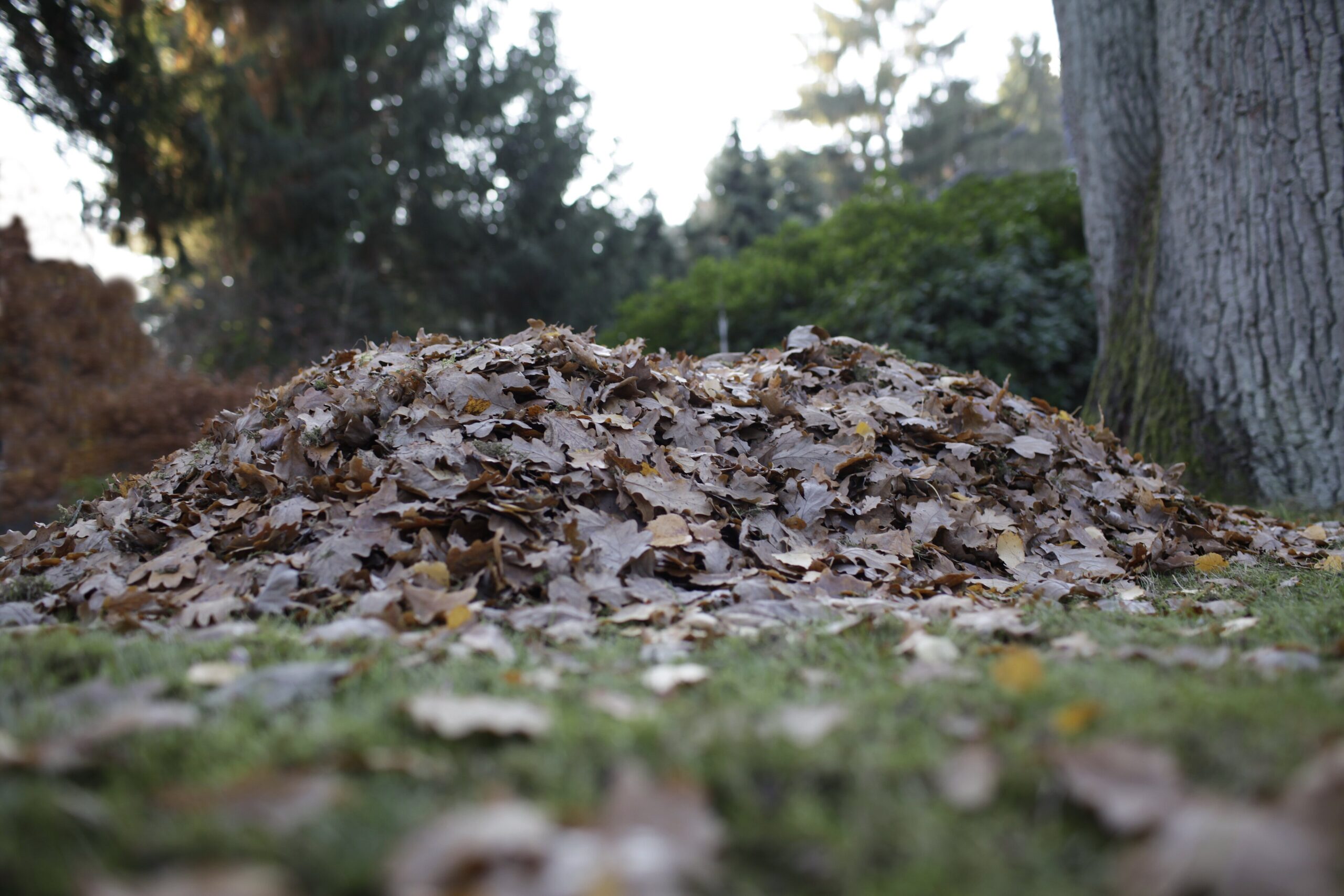
The city laid out the new rules in an Oct. 7 news release. Residents are asked to rake leaves onto the devil strip, the Akron name for the grass strip between the sidewalk and the curb, rather than into the roadway.
That reverses last year’s instructions. The city’s 2025 leaf program page told residents to rake leaves into the street the day before their scheduled pickup, keeping piles within two feet of the curb, and to move cars off the street while crews worked. That page warned that vehicles left in the way could be towed or fined, and that raking leaves into the street after crews had already cleared it could also bring a fine.
According to Spectrum News 1’s report on the announcement, the city said the switch is meant to help crews work more efficiently, “cut down on repeated changes or delays to the schedule,” and “keep piles of leaves out of streets where they can impede traffic.”
In practice, the posted signs, not a calendar printed weeks ahead, now become the cue for each street.
Residents do not need to wait for the signs. The city says leaves can go onto the devil strip any time before crews reach the area.
Ward 5 is first in line
Crews will make one scheduled pass through all 10 wards in this order: 5, 3, 9, 7, 6, 4, 8, 1, 2 and 10. Each ward takes several days, and the city has not given a date for when the last ward will be finished.
Last year shows why Akron stopped promising dates. The 2025 schedule, revised on Dec. 5, had Ward 2 starting Dec. 6 before pushing it to Dec. 10, and Ward 9 starting Dec. 10 before moving it to Dec. 12. Weather and the pace of the work can shift every ward behind it.
This year, the city says residents should rely on the posted signs and its online dashboard at AkronOhio.gov/leaves, which maps completed streets and shows which ward crews are working in. Residents who do not know their ward can look it up through the city’s ward lookup tool.
What stays out of the pile
The release lists a few rules for every pile on the devil strip:
- No branches, sticks or other yard debris mixed in with the leaves.
- No parking on or next to piles, where cars can block the crews.
- No bagged leaves for regular collection.
- Children should not play in piles on or near the street.
Leaves that fall after a ward’s pass have two routes. Residents can bag them and schedule a bulk pickup through 311, or rake them to the devil strip and request a leaf pickup through 311. The city warns that crews will not take those extra requests until all 10 wards are done, which could mean a wait of several weeks or longer. Requests go through 3-1-1, AkronOhio.gov/311, the Akron 311 app or 330-375-2311.
Burning is not a fallback inside the city. Ohio State University’s agricultural safety program notes that, for the most part, open burning of residential waste is not permitted within city limits under Ohio’s rules, and that rural burning is barred from 6 a.m. to 6 p.m. in October and November. That rule is covered in more detail in Ohio’s fall daytime burn ban on leaves and yard waste.
Mulching leaves into the lawn
Homeowners who would rather keep some leaves on their own property have another option. Colorado State University Extension recommends running a mower over leaves at its highest setting, making a couple of passes, ideally when the leaves are dry. As long as grass is still visible through the shredded layer, the extension says, the mulch is not too thick.
Shredded leaves do more than disappear into the grass. According to the extension, the nutrients they return feed earthworms and help hold moisture around the roots of the turf, and decomposing leaf bits cover bare spots where weed seeds would otherwise sprout. A dense, healthy lawn, it notes, is one of the best defenses against weeds.
The extension cites Michigan State University research finding that mulching leaves into a lawn for three years can nearly eliminate dandelions and crabgrass, and Purdue research finding that the practice does not increase thatch or disease or change soil pH. Whole, unshredded leaves are a different story, since a thick mat can smother grass and encourage mold.
Leaves are also a big piece of what American households throw away. The U.S. Environmental Protection Agency estimated that yard trimmings made up about 12% of municipal solid waste in 2018, 35.4 million tons in all, with roughly 10.5 million tons going to landfills.
For Akron households, the timeline this fall comes down to a few steps: rake leaves onto the devil strip any time before crews reach their ward, keep sticks and bags out of the pile, keep cars clear of it, and watch for the ward sign that gives about two days’ warning before the trucks arrive.
Get stories like this by email. Sign up for The Parent Diaries Letter.
This article was produced with AI assistance and edited for accuracy against the sources linked above.
Image: Jeuwre – CC BY-SA 4.0/Wikimedia Commons