MSU Extension Wants Metro Detroit Homeowners to Report Spongy Moth Egg Masses on Their Trees Before the Leaf-Stripping Caterpillars Hatch
On oak trunks, fence boards and backyard swing sets across Metro Detroit, small tan patches can be found this time of year. Each one is a spongy moth egg mass, and Michigan State University Extension is asking homeowners to find them and report them before the caterpillars inside hatch next spring. The request was reported by WDIV ClickOnDetroit on Oct. 20.
What MSU Extension Is Asking Homeowners to Look For
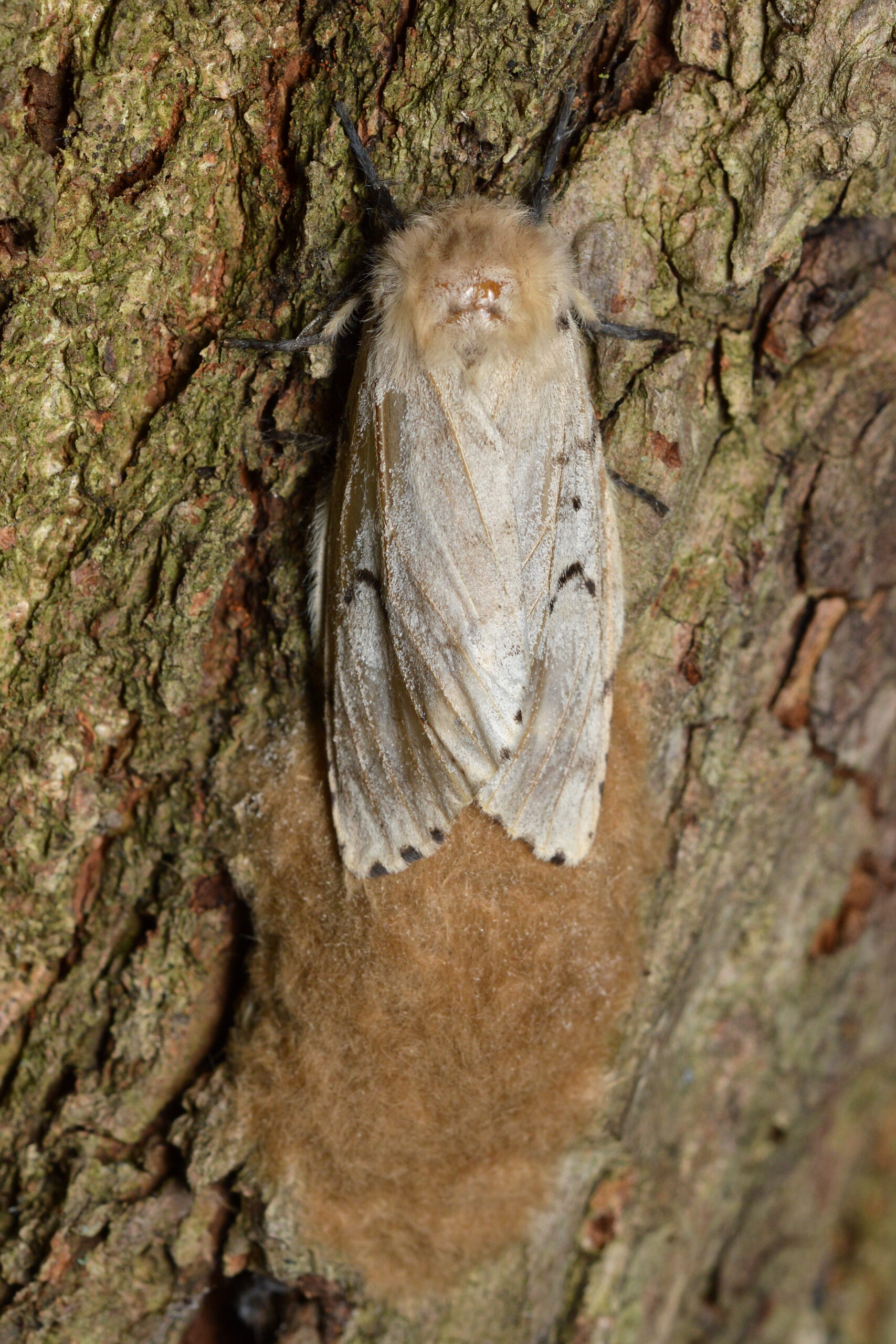
MSU Extension describes the egg masses as “buff-colored and tear-drop shaped” and about 1 to 2 inches long, WDIV reported. They can be laid almost anywhere outdoors: tree trunks and branches, outdoor furniture, play equipment, fences, sheds, vehicles and the sides of homes.
According to MSU Extension, finding and removing egg masses before they hatch is one of the most effective steps homeowners can take to protect trees across Southeast Michigan.
The U.S. Department of Agriculture’s Animal and Plant Health Inspection Service says each egg mass can hold up to 1,000 eggs. The masses average about 1 1/2 inches long and 3/4 inch wide and are covered in buff or yellowish hair from the female moth’s abdomen. APHIS advises looking for them in late summer, winter and spring.
The State of Michigan’s invasive species program describes them as tan and fuzzy. Caterpillars hatch from them in April and feed on leaves through late June.
Where to Report a Spongy Moth Egg Mass by County
Reporting depends on where a homeowner lives, according to the WDIV report:
Macomb County residents can fill out an online survey request form. The county’s spongy moth suppression program form is run by MSU Extension Services, a Macomb County government department under its natural resources program, which can also be reached at 586-469-5100.
Oakland County residents can call the Oakland County MSU Extension Moth Hotline at 248-858-0887.
Residents of other Metro Detroit counties can report through the Midwest Invasive Species Information Network, known as MISIN. The MISIN reporting page, run out of Michigan State University, lets registered users submit invasive species observations and sign up for email alerts about new sightings nearby. The state also points residents to the MISIN smartphone app.
How the Caterpillars Damage Oaks and Other Yard Trees
Spongy moths were known as gypsy moths until 2022, when the name changed, according to the state. The insect is listed as established in Michigan. APHIS says the moth is native to Europe, arrived in the United States well over a century ago and is now found throughout the Northeast.
The caterpillars feed most often on oak and aspen leaves but can feed on hundreds of other plant species, the state says. APHIS puts the number of trees and shrubs on the menu at more than 300 species.
In large numbers, the caterpillars strip trees of their leaves. APHIS says defoliation that continues for multiple seasons can kill trees, and heavily infested forests can look barren in midsummer. The state says defoliation weakens trees and leaves them more vulnerable to disease and other pests, which can lead to tree death. Big outbreaks also drop enough leaf debris and droppings to disrupt time spent outdoors.
MSU Extension warns that the damage can be significant when other risk factors such as drought are present, WDIV reported. The insect has few natural predators in the United States, which lets populations grow rapidly.
Adult moths are easy to tell apart, the state says. Males have wavy brown to dark-brown wings with a 1.5-inch wingspan. Females are larger, with white to cream wings marked with wavy black lines, and they cannot fly. Wind can carry small caterpillars from one tree to another, but the flightless females do not spread the moth on their own.
Homeowners can spot an active infestation by leaf debris and small, round droppings, called frass, under trees, according to the state. Mature caterpillars are hairy and 1.5 to 2 inches long, with a yellow and black head, five pairs of blue spots and six pairs of red spots.
Scraping and Destroying Egg Masses in Winter
APHIS recommends scraping egg masses off and destroying them in hot, soapy water or in a sealed bag left in the sun. The agency gives that advice for clearing egg masses from outdoor items before they are moved, and it also asks residents to cooperate with officials who place insect-monitoring traps.
Because female spongy moths cannot fly, the insect spreads mostly on things people move, APHIS says, including firewood, trailers and patio furniture. The state adds vehicles and recreational gear to that list. APHIS advises buying firewood locally and burning it where it was bought.
For homeowners who want help beyond scraping, the state links to MSU’s guide on dealing with the insect around a home or property and to an MSU bulletin on Btk, one management option. APHIS suggests that residents in quarantine areas contact their county Extension office about control options. Michigan is among the 20 states, plus the District of Columbia, that APHIS lists as having spongy moth.
Tree pests and diseases are on the move in other states this fall as well, including beech leaf disease now infecting more than 200 trees in New Jersey’s Saddler’s Woods and the single fruit fly in a backyard mango tree that put part of Port Isabel, Texas, under quarantine.
With caterpillars not due to hatch until April, Metro Detroit homeowners have the whole winter to walk their yards, check the bark and outdoor furniture, and send in what they find.
Get stories like this by email. Sign up for The Parent Diaries Letter.
This article was produced with AI assistance and edited for accuracy against the sources linked above.
Image: Ryan Hodnett – CC BY-SA 4.0/Wikimedia Commons