Ohio’s Fall Daytime Burn Ban on Leaves and Yard Waste Took Effect Oct. 1, Barring Open Burning From 6 a.m. to 6 p.m. Through the End of November
Across rural Ohio, the leaf piles and brush heaps of fall have to wait for dark. The state’s seasonal daytime burn ban took effect Oct. 1 and runs through the end of November, barring open burning from 6 a.m. to 6 p.m. Homeowners outside city and village limits who burn yard waste during those hours can face a criminal charge.
The rule returns every spring and fall. It covers the same stretch of daylight each year, when dry leaves, grass and wind make a small fire hard to control.
Who the 6 a.m. to 6 p.m. rule covers
The ban comes from Section 1503.18 of the Ohio Revised Code, the state forestry law. It bars anyone from kindling a fire in the open air to burn wood, brush, weeds, grass or rubbish “between the hours of six a.m. and six p.m. during the months of March, April, May, October, and November in any year.”
The law applies outside municipal limits, which means townships and unincorporated parts of counties. Land controlled by a railroad company is also covered.
There is a narrow exception. A fire is allowed during the restricted hours if it is set in a plowed field, a garden or on a public highway and kept at least 200 feet from any woodland, brushland or field containing dry grass or other flammable material.
Toledo’s 13abc reported on Oct. 1 that the statewide daytime ban was “back in effect through the end of November.” The station noted that it covers yard waste, trash and debris, and that burning in a burn barrel is also off limits during the prohibited hours.
Burning is still legal after 6 p.m. and before 6 a.m., as long as the rest of the state’s rules are followed. Officials quoted by 13abc recommended using a proper burn barrel during those legal hours, and pointed to warm, windy fall and spring weather as the reason fire risk climbs.
Section 1503.18 also lets the governor restrict or eliminate the allowed times and places by executive order when environmental conditions warrant it.
What Ohio EPA still requires at night
The hours are only one layer. The Ohio Environmental Protection Agency sets separate rules for what can be burned and where, and those apply around the clock.
Under Ohio Administrative Code rule 3745-19-04, residential waste generated on a property may be burned in unrestricted areas without notifying Ohio EPA only when several conditions are met:
- The fire must be set “only when atmospheric conditions will readily dissipate contaminants.”
- The smoke cannot create a visibility hazard on roadways, railroad tracks or airfields.
- The fire must be “no less than one thousand feet from any inhabited building not located on said premises.”
- The waste must be stacked and dried so it burns efficiently.
- Nothing containing “rubber, grease, asphalt, liquid petroleum products, plastics or building materials” can go in the fire.
A pile larger than 10 feet by 10 feet by 10 feet, or 1,000 cubic feet, requires notice to Ohio EPA before it is lit.
That 1,000-foot distance is difficult to meet on smaller lots with close neighbors, even after dark.
Inside cities and villages, the rules are tighter still. Ohio EPA’s rule 3745-19-03 states that “no person or property owner shall cause or allow open burning in a restricted area” unless an exemption applies. Small bonfires, campfires and outdoor fireplaces used for cooking or warmth are exempt if they burn clean seasoned firewood, are not used to dispose of waste, and stay within “a total fuel area of three feet or less in diameter and two feet or less in height.”
The state’s open burning definitions set how far that restricted area reaches. It covers everything inside a municipal corporation’s boundary, plus a buffer of 1,000 feet beyond the edge of towns with 1,000 to 10,000 residents and one mile beyond the edge of places with 10,000 or more. A home just outside a city line can still be inside the restricted zone.
The same rule defines the yard waste most homeowners have in mind. Landscape waste includes “trees, tree trimmings, branches, stumps, brush, weeds, leaves, grass,” as well as shrubbery, yard trimmings and crop residues. Residential waste, which may include landscape waste from a one-, two- or three-family home, excludes garbage, rubber, grease, asphalt, liquid petroleum products and plastics.
The penalty, and why local rules can be stricter
Breaking the daytime ban is a crime. Section 1503.99 of the Revised Code says anyone who violates Section 1503.18 “is guilty of a misdemeanor of the third degree.”
In Ohio, a third-degree misdemeanor carries a fine of “not more than five hundred dollars” and a jail term of “not more than sixty days.”
The state law is a floor, not a ceiling. Townships, counties and fire departments can set tighter rules, and dry seasons have brought tighter limits before. In 2024, NBC4 reported that Ohio counties already under drought burn bans had to observe a 24-hour ban until conditions improved, and that the statewide daytime hours applied again once those county restrictions lifted. Residents were told to check with local governments and fire departments before burning.
For homeowners with a yard full of leaves, that leaves a short list of choices. Burning after 6 p.m. is legal in unincorporated areas if every Ohio EPA condition is met. The Ohio Department of Natural Resources’ Division of Forestry, which oversees the daytime ban, has pointed homeowners toward composting yard waste instead, according to the same NBC4 report.
Smoke from yard fires is a common source of friction between neighbors, as one homeowner found when a neighbor kept burning yard waste on windy days and ash settled into his garden soil. Ohio’s distance and smoke rules address that kind of conflict directly.
The daytime ban lifts after Nov. 30 and returns in March.
Get stories like this by email. Sign up for The Parent Diaries Letter.
This article was produced with AI assistance and edited for accuracy against the sources linked above.
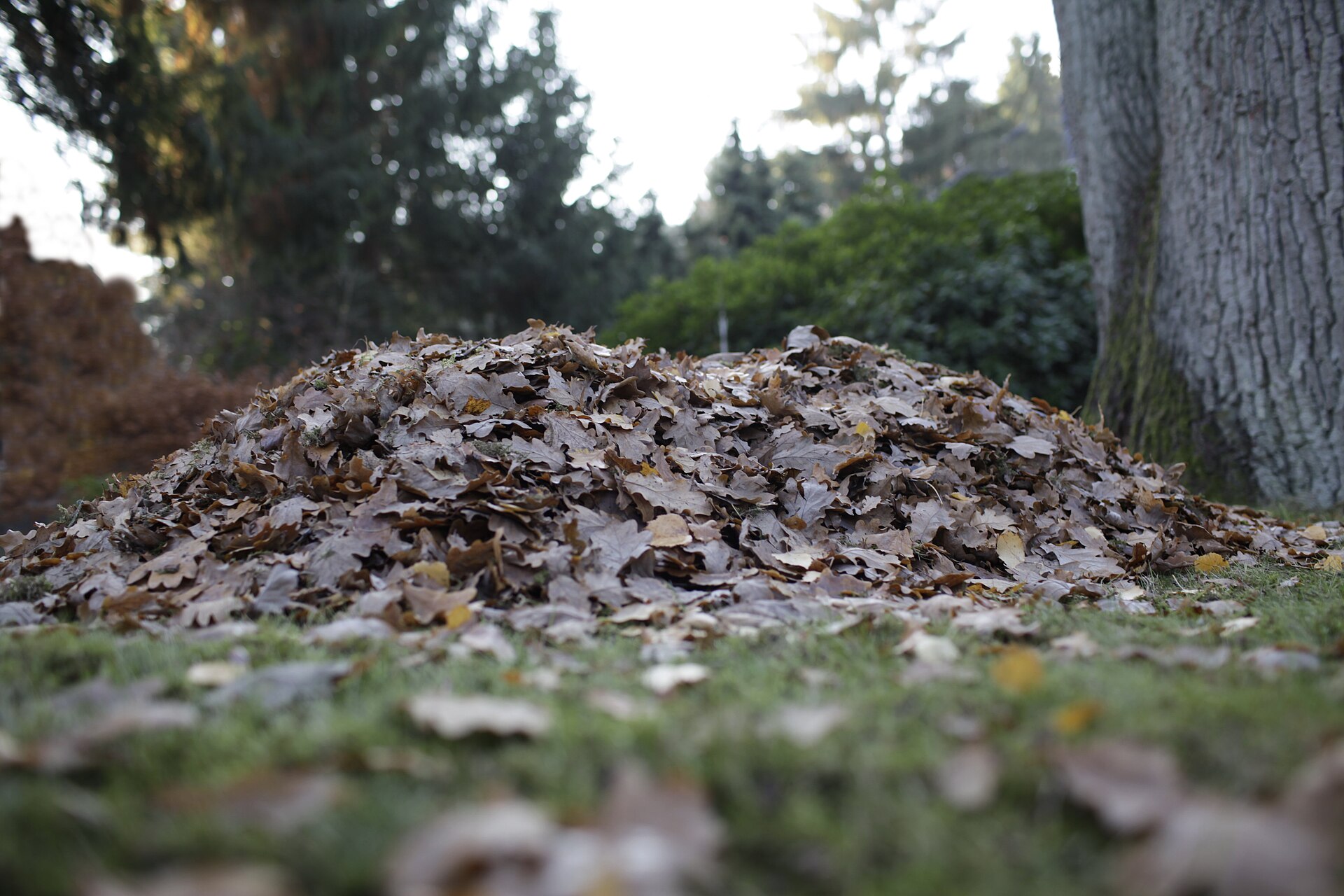
Image: Jeuwre – CC BY-SA 4.0/Wikimedia Commons