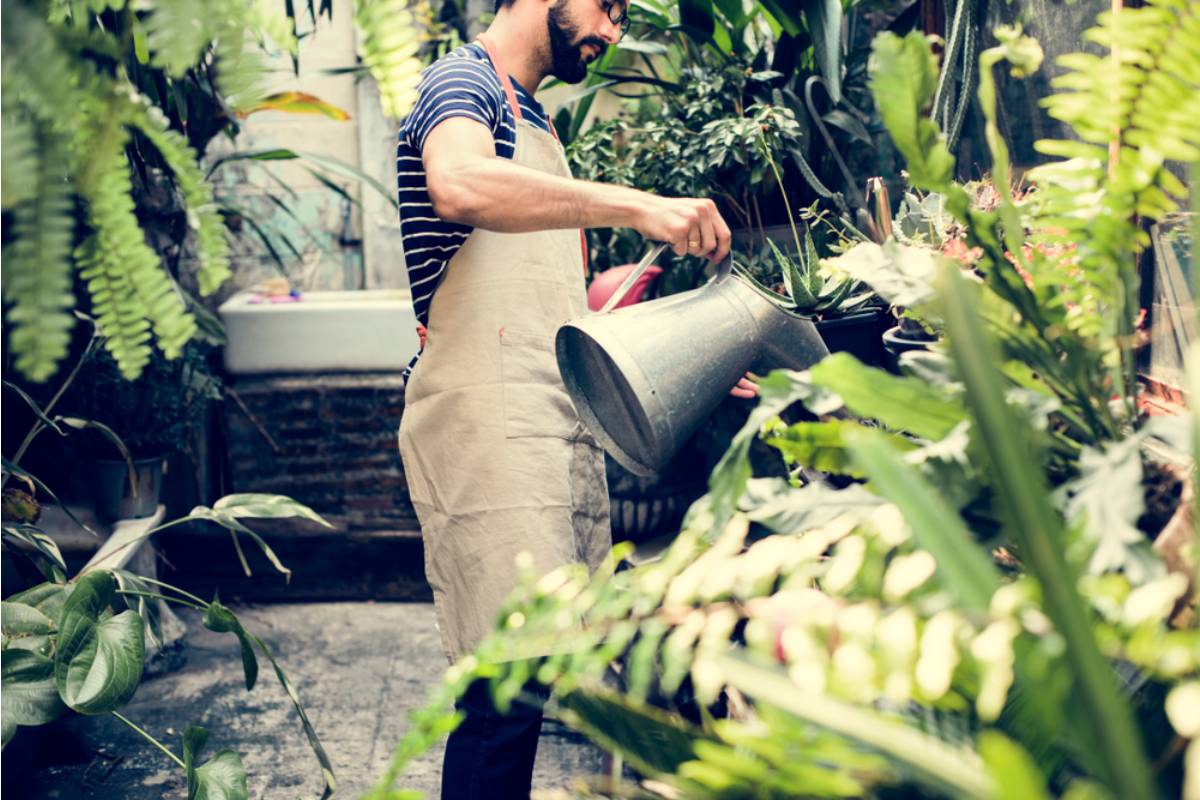
He Volunteered to Rescue His Apartment Building’s Neglected Garden, Then a Neighbor’s Misdelivered Cat Food Gave Him the Perfect Payback
A person shared his story after moving with his wife into the newly renovated upper floors of an apartment building. The first four floors had existed for years, while three additional floors had been added during the renovation, creating an awkward mix of longtime residents and newcomers. Along with the new apartments came an unexpected challenge that had nothing to do with construction, because everyone still had to agree on how to care for the shared outdoor space.
The front yard quickly became one of the biggest sources of tension in the building. Some residents did not want to spend money on a gardener, even though the suggested cost worked out to only about ten dollars per household each month. The storyteller understood that some people were struggling financially, so instead of arguing over the expense, he decided to take the garden on as his own little project.
He Turned the Shared Yard Into a Personal Mission
Rather than letting the front yard become another source of resentment, he started taking care of it himself. He did not consider himself responsible for maintaining the entire property forever, but he enjoyed gardening and was willing to put in the effort at his own pace. What began as a simple favor slowly became a quiet experiment in seeing how much better the neglected space could look.
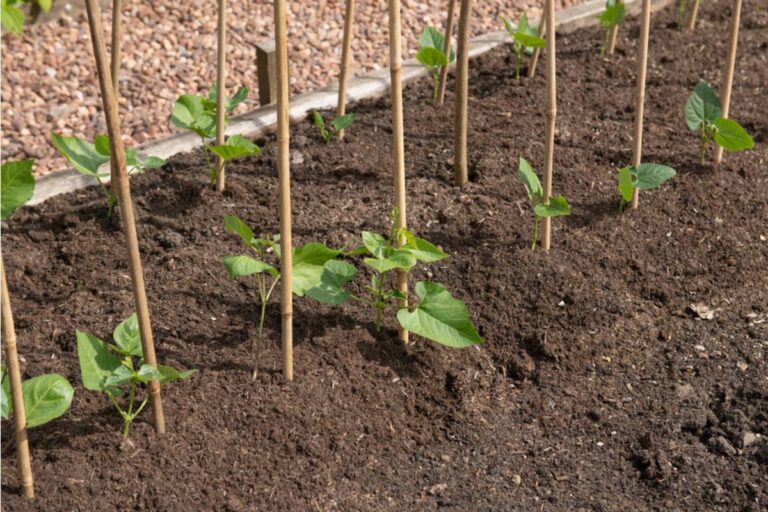
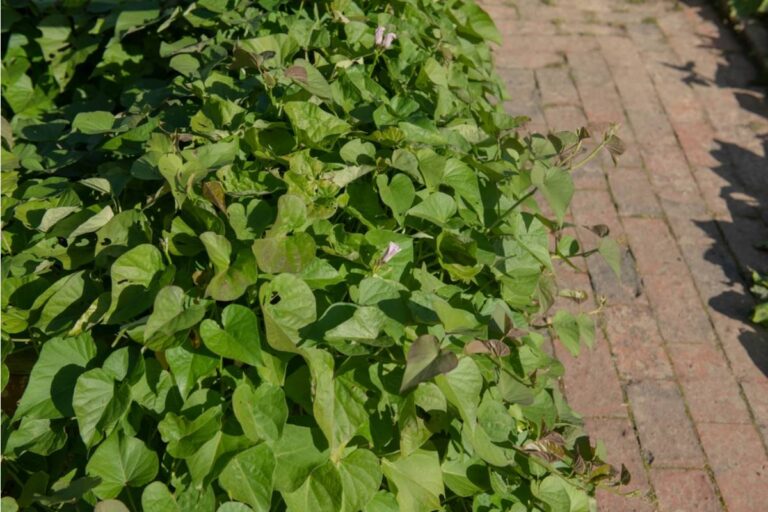
His vision was not a high-maintenance lawn that demanded constant mowing and watering. He later explained that he had experience as a gardener and wanted something simple, attractive, and easy to maintain. His plan involved passion fruit vines climbing along the fencing, a fruit tree in the center, and patches of Australian violets that could create greenery without turning the garden into another full-time job.
Not Everyone Appreciated the Extra Effort
There was one neighbor, Danielle, who seemed especially determined to keep the building’s arguments alive. She regularly complained in the building’s group chat about how the older residents should show more respect to the newer residents, while also reminding everyone how much she had spent on her own apartment. Before long, the condition of the shared garden became another subject she repeatedly brought up.
The irony was that the person complaining about the garden was not the one maintaining it. The storyteller was already doing the work voluntarily, yet Danielle continued making noise about how the yard looked. He tried not to turn the situation into a personal feud, but the repeated criticism was beginning to wear on him.
Then Life Suddenly Pulled Him Away From the Garden
The situation changed when the storyteller, who was a reserve soldier, was called in for an extended period. His military obligations meant the garden was no longer something he could casually tend whenever he had a spare moment. He explained the situation to the building residents and apologized for not being able to keep up with the yard while he was away.
Instead of receiving a little understanding, he got another complaint from Danielle. She told him that her time was just as valuable as his and that she did not want to waste it talking about the garden. Her message was blunt, but it also gave him a very clear idea of what she valued most.
He Quietly Walked Away From the Argument
The storyteller could have continued defending himself, but he decided the entire conversation was no longer worth the effort. He left the building group chat rather than getting pulled into another argument about the yard. In his mind, the simplest solution was to stop discussing the garden and continue caring for it whenever his schedule allowed.
That did not mean he abandoned the project. He was still willing to work on the shared greenery, but he was no longer interested in being criticized while doing a favor. The garden would continue growing, and he would continue tending it, just without treating Danielle’s complaints like an urgent assignment.
Then a Strange Delivery Appeared at His Door
Not long after leaving the group chat, two enormous bags of cat food appeared outside his apartment. The packages had Danielle’s name on them, so there was no mystery about who they belonged to. The only mystery was how they had ended up at his door in the first place.
The storyteller had already experienced delivery mix-ups involving Danielle’s food orders. Because of a mistake in the past, her food had repeatedly arrived at his apartment, and he had been the one sending the orders over to her. Under ordinary circumstances, he might have simply repeated the favor without giving it much thought, but Danielle’s recent lecture about everyone’s precious time was still fresh in his mind.
This Time, He Decided His Time Mattered Too
Instead of carrying the heavy bags to Danielle’s apartment, he wrote her a note. The message explained that he was sorry he had not informed her about the delivery, but he had decided to value his time just as much as she valued hers. He wished her good luck and left the packages where they had been delivered.
It was a tiny act, but the timing made it much more satisfying. He had not damaged anything, stolen anything, or created a dramatic confrontation in the hallway. He simply stopped doing a favor for someone who had made it clear that his time should not receive special consideration.
The Cat Food Became the Garden Feud’s Unexpected Twist
What made the story especially funny was the way the whole situation connected back to the building’s larger disagreement. Danielle had spent so much energy complaining about a shared garden that she did not want to help pay to maintain, while the person actually caring for it was also the one repeatedly fixing her delivery mistakes. Suddenly, her earlier comment about time seemed to have created a rule that worked in both directions.
The storyteller was delighted by how perfectly the moment played out. A response from a person joked that her future food deliveries might arrive cold, while another suggested that she could spend her valuable time tracking down missing orders. The humor came from the fact that nobody had to invent a complicated revenge scheme, because the delivery address had already created the opportunity.
Other Neighbors Started Adding Their Own Ideas
Once people heard what happened, the responses became even more creative. A response from a person suggested that the storyteller should simply treat future deliveries as generous gifts from an anonymous friend, especially since Danielle had plenty of opportunities to correct the address on her account. Another person joked about luring Danielle’s cats away with all the misdelivered supplies.
The storyteller admitted that some of the suggestions were hilarious, although he had no intention of taking things nearly that far. He even joked about stealing Danielle’s hypothetical boyfriend, despite being happily married and completely uninterested in doing anything like that. The garden drama had somehow turned into a building-wide comedy routine centered around one very unfortunate delivery address.
He Drew the Line at Actually Keeping Her Things
Despite enjoying the joke, the storyteller made it clear that he did not want to keep items that were not his. He was not interested in selling the cat food, throwing it away, or turning a simple delivery mistake into something more serious. His position was much simpler, because he had no obligation to spend his own time transporting it around the building.
That distinction mattered to him. He was willing to let Danielle deal with the consequences of an incorrect delivery without deliberately causing damage to her property. A response from a person even noted that returning misdelivered packages through the proper channels would be the practical approach, especially when delivery workers might otherwise be blamed for the mistake.
The Real Problem Might Have Been the Delivery Account
Another response came from someone familiar with food delivery work, who explained that repeated deliveries to the wrong door are often traceable through delivery records, photographs, and location information. According to that person, the customer’s account can eventually become the source of the problem if the address is never corrected. In other words, the delivery mystery might have had a much simpler solution than repeatedly relying on a neighbor to fix it.
That explanation added another layer to the story. Danielle was not necessarily dependent on her neighbor at all, because the problem could have been corrected at the source. Instead, the storyteller had become an unofficial part of her delivery system simply because he kept being helpful.
The Neighbor’s Reputation Was Becoming Part of the Story
The storyteller later mentioned that another neighbor asked about the cat food and recognized Danielle’s name. When that neighbor learned who the packages belonged to, she apparently had no intention of rushing them over either. That moment suggested the storyteller was not the only person who had grown tired of dealing with the building’s interpersonal drama.
This detail gave the whole story a subtle twist. The front garden had originally divided residents over money, maintenance, and respect, but the delivery problem exposed something entirely different. People who were perfectly capable of helping each other were becoming less willing to do so when their generosity was taken for granted.
The Garden Was Still Being Planned for the Long Term
Despite all the arguments, the storyteller never abandoned his idea for the shared garden. He had a clear low-maintenance design in mind that could eventually make the front yard greener without creating a constant workload. Passion fruit vines could soften the fencing, a fruit tree could become the centerpiece, and Australian violets could fill smaller patches without requiring the kind of maintenance a traditional lawn would demand.
That plan also revealed why the garden mattered to him in the first place. He was not simply trying to make the property look nicer for his own benefit, because he wanted to create something useful and pleasant for everyone living there. The frustrating part was that a project meant to bring the building together had become tangled in arguments about who should pay and whose time mattered.
One Small Note Said More Than Another Argument Could
The note on the cat food was funny because it echoed Danielle’s own words without turning into another shouting match. Instead of explaining himself for another hour in the group chat, he answered the situation with a single reminder that everyone has limited time. The bags of cat food became a miniature lesson in what happens when a favor quietly disappears.
There was also something strangely fitting about the timing. Danielle had complained that she did not want to waste time discussing the garden, yet her packages had repeatedly depended on someone else spending time fixing her delivery mistakes. The storyteller’s response did not change the garden, but it changed the arrangement between them.
The Garden May Actually Have Been the Least Important Part
In the end, the most memorable part of the story was not the cat food itself. It was the contrast between one person’s willingness to volunteer hours caring for a shared garden and another person’s willingness to criticize the results without helping with the work. The delivery mix-up simply gave the storyteller a chance to stop quietly absorbing the inconvenience.
The garden still had a future, and so did the building. Perhaps the passion fruit vines would eventually cover the fencing, the fruit tree would grow tall in the center, and the violet patches would turn the yard into the low-maintenance space he had imagined. But next time a package lands at the wrong door, Danielle may have to remember one very simple rule: other people’s time matters too.