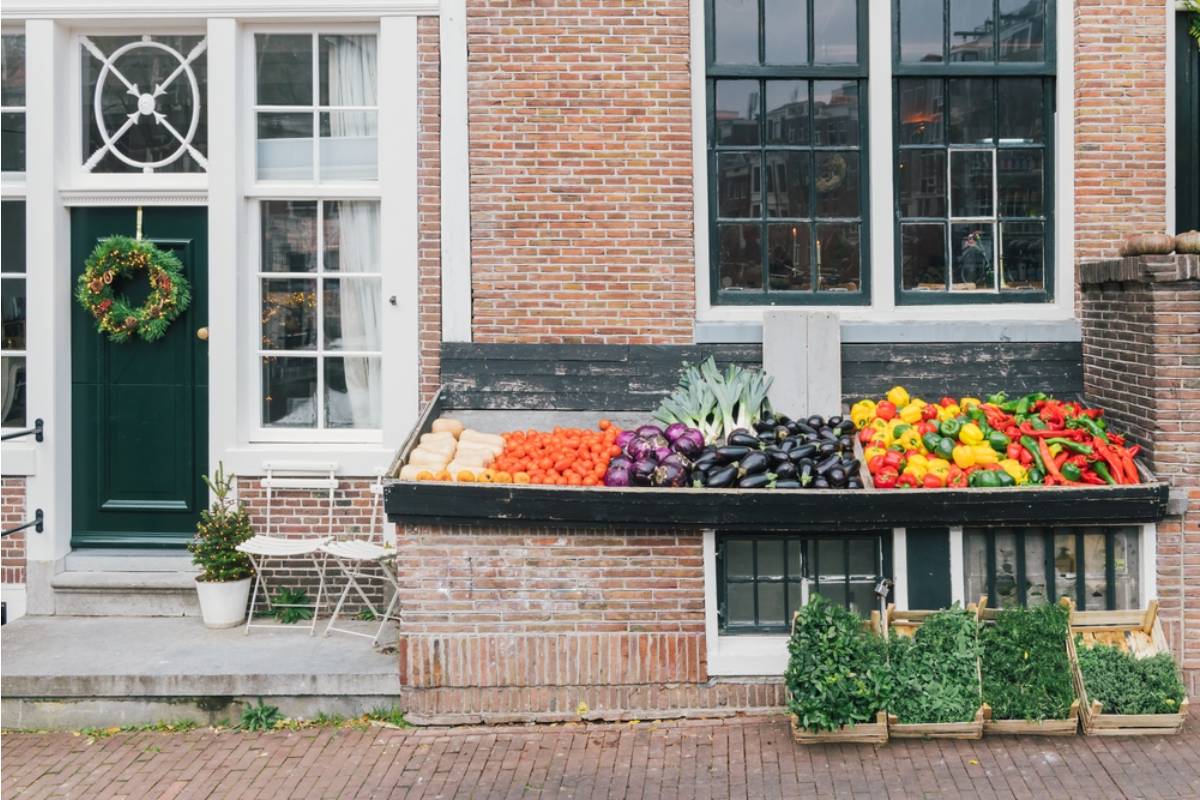
Gardener Says She’s Been Hosting a Small Farmers Stand From Her Front Yard for Two Years, Then a Neighbor Reported It to the City Only After Asking for a Discount and Being Refused
For two years, my front yard became more than just a place where flowers grew. It became a small gathering spot where neighbors stopped on weekend mornings, shared recipes, and bought fresh vegetables grown just a few steps away from where they were sold.
I never intended to create a major business. I simply had more tomatoes, herbs, peppers, and homemade preserves than my family could use, and neighbors kept asking if they could buy some. What started with a small folding table eventually became a tradition people looked forward to. I never expected the biggest conflict would come from someone who had spent months supporting the stand before suddenly trying to shut it down.
The Garden That Became a Neighborhood Tradition
When I first planted my backyard garden, it was only meant to provide food for my family.
I started with a few tomato plants and some herbs along the fence. Over time, I added raised beds, fruit bushes, and seasonal vegetables. Each year, the harvest became larger than the year before.
Neighbors walking past began noticing the extra produce sitting on my kitchen counter.
The First Small Sale
The idea of selling produce started when my neighbor Linda stopped by one afternoon.
She saw a basket of fresh tomatoes near my front door and asked if she could buy some. I told her I was not really selling anything, but I had plenty to share.
She insisted on paying because she wanted to support the garden.
A few other neighbors heard about it, and soon people started asking when they could pick up vegetables.
Setting Up the Weekend Table
Eventually, I placed a small wooden table near my driveway every Saturday morning.
I kept everything simple. There was no large sign, no advertising, and no constant traffic. People from nearby homes would walk over, choose vegetables, and chat for a few minutes.
The stand became less about selling food and more about creating a friendly neighborhood routine.
A Neighbor Who Always Stopped By
Linda became one of my most regular visitors.
She would arrive early, ask what was fresh, and often compliment the quality of the produce. She told me several times that she preferred buying from me because she knew exactly where the food came from.
She even brought friends from nearby streets who wanted to try the vegetables.
For a long time, I thought she was one of the people who appreciated the stand most.
The Request for a Special Deal
The situation changed when Linda approached me one Saturday with a different tone.
She looked at the prices and said, “Since I buy so much from you, can you give me a better deal?”
I explained that my prices were already low because I was only covering seeds, supplies, and gardening costs.
She smiled but seemed disappointed.
“I thought neighbors helped each other out,” she replied.
Refusing the Discount
I did not want the conversation to become uncomfortable, but I also did not think it was fair to give one person special treatment.
I explained that everyone paid the same amount and that I wanted to keep things simple.
Linda nodded, but her expression changed.
She bought a few items that day, but she left much faster than usual.
The Sudden Change in Attitude
After that conversation, Linda stopped visiting the stand.
At first, I assumed she was simply busy. However, I noticed she began making comments whenever she walked past.
“You know, there are probably rules about doing this,” she said one afternoon.
I asked if she had concerns, but she just shrugged.
“Someone might complain eventually.”
I did not realize she was talking about herself.
The Letter From the City
A few weeks later, I received an official notice from the city.
The letter stated that a complaint had been filed regarding an unauthorized front yard sales operation.
I was confused because I had never considered my small table a serious business. Still, I took the notice seriously and contacted the appropriate office.
Finding Out Who Reported It
During the conversation with city officials, I learned the complaint was anonymous.
However, neighbors quickly started asking questions about what happened.
One person mentioned seeing Linda talking with a city employee near my street. Another said Linda had complained that my stand created “commercial activity.”
The pieces started coming together.
Checking the Local Rules
I reviewed the city regulations carefully.
The rules were more complicated than I expected. There were restrictions on certain types of sales, but small agricultural stands often had specific requirements rather than being completely prohibited.
I learned I needed proper approval and better organization.
Instead of fighting the complaint, I decided to make sure everything was done correctly.
Meeting With City Officials
I met with a city representative and explained the entire situation.
I showed photos of the stand, explained the limited hours, and described how the produce came directly from my garden.
The official told me that many residents misunderstood the rules.
After making a few adjustments, I was able to continue operating legally.
The Neighbor Admits What Happened
Several months later, Linda approached me while I was working outside.
She looked uncomfortable.
“I should have talked to you first,” she said.
I waited for her to explain.
She admitted she had reported the stand after I refused the discount because she felt I had not treated her like a loyal customer.
A Difficult Conversation
I told Linda that the complaint hurt because she had spent two years supporting the garden and knew exactly what the stand represented.
She admitted she had reacted emotionally.
“I was angry, and I thought maybe you would take it more seriously if the city got involved,” she said.
I explained that disagreements between neighbors should not become official complaints without trying to solve them directly.
The Neighborhood Reacts
When other neighbors learned what happened, many were disappointed.
Several people told Linda they wished she had simply talked to me instead of involving the city immediately.
Nobody wanted a neighborhood conflict over a small garden stand.
The situation became a reminder that personal disagreements can quickly affect an entire community.
The Stand Comes Back Stronger
After completing the required steps, I expanded the stand slightly.
I added clearer signs, better organization, and a small notebook where customers could leave gardening suggestions.
The experience actually helped improve something I had built casually.
People continued visiting, and the weekend tradition returned.
A New Understanding Between Neighbors
Linda and I eventually reached a more peaceful relationship.
We were not as close as before, but we became respectful again. She apologized for how she handled the situation, and I accepted that apology.
I also understood that frustration can make people act in ways they later regret.
What the Garden Really Grew
Looking back, the vegetables were never the most important part of the stand.
The real value came from conversations, friendships, and the feeling that neighbors still cared about each other. A small front yard table created connections that would never have happened otherwise.
The conflict with Linda was disappointing, but it also showed me something important. A community is not built because everyone always agrees. It is built when people choose communication over resentment.
Today, the stand still appears every weekend during harvest season. The same neighbors stop by, new families visit, and the garden continues producing more than food. It produces conversations, friendships, and reminders that even the smallest things growing in a yard can become something much bigger.