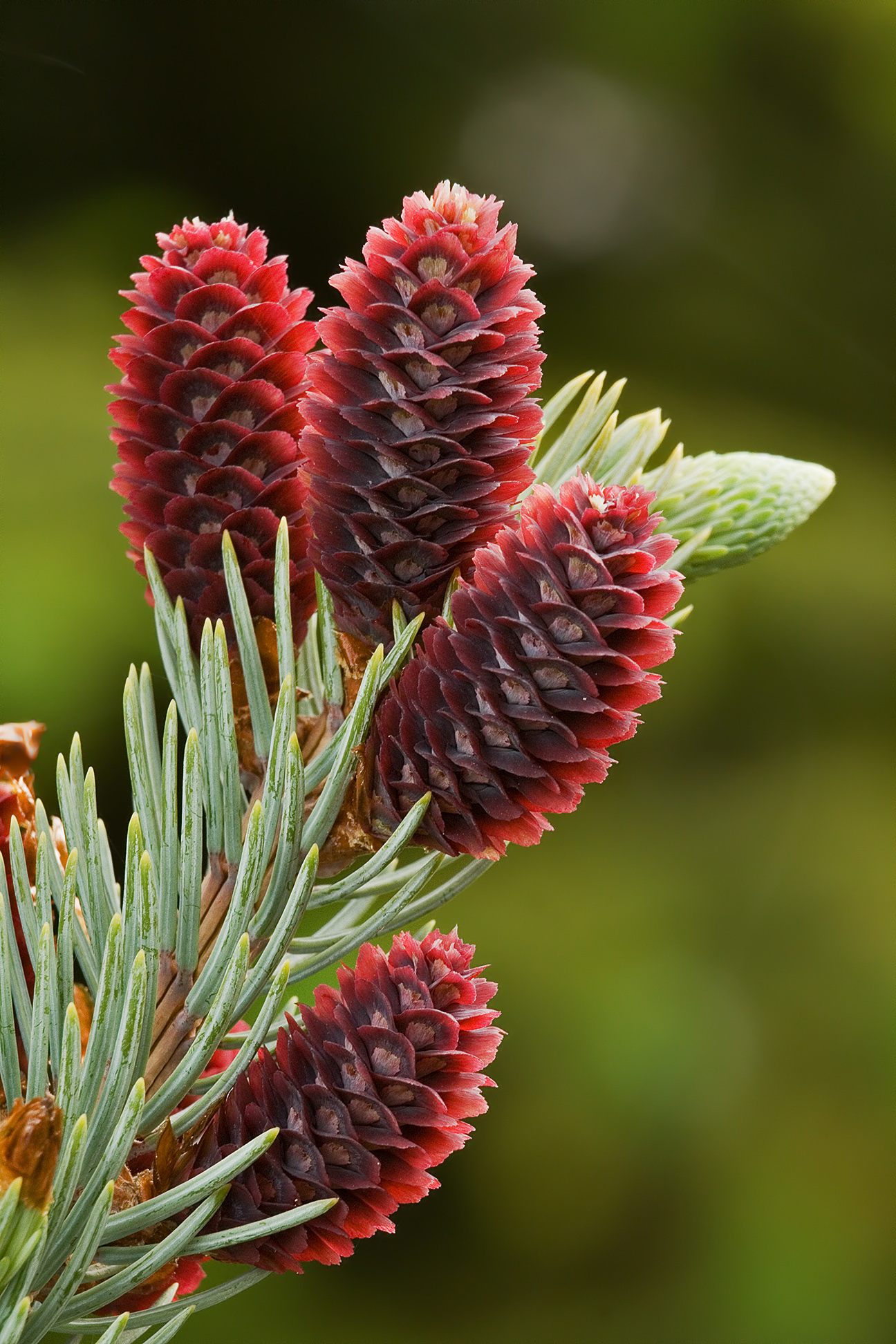
‘Ain’t Pretty, but It’s Within Code’: An HOA Gave a Family One Week and a $50-a-Day Threat Over a Tree Hanging 3 Inches Over the Sidewalk
In 12 years, the family had received exactly one letter from their homeowners association. The second one said their evergreen was hanging 3 inches over the sidewalk, that it was a hazard to pedestrians, and that they had one week to fix it or start paying $50 a day.
The father fixed it, to the inch. “It ain’t pretty but it’s within code,” he said after measuring the trimmed branches at 8.3 feet over the walk, according to TwistedSifter’s Oct. 25 write-up of the family’s account.
A New HOA President and a One-Week Deadline
The story was told by the couple’s adult son, who was living with his parents for a while. He came home to find his father angrily pulling on his jacket and boots.
The letter, the son said, criticized the look of the yard and singled out the tree the family calls their “Christmas tree.” A new HOA president had recently taken over, one the son described as eager to “fix” the neighborhood, unlike the laid-back president before.
The HOA’s maintenance code, as the family understood it, bans growth over streets or sidewalks unless the branches are at least 8 feet up. Three inches of overhang was enough to trigger the warning.
Trimmed to 8.3 Feet, and Nothing Since
The father had already spent the week getting the yard ready for winter, and the tree was the last job left. He cut the low branches back, measured the clearance at 8.3 feet, and called it done.
He was not the only one affected. A branch on a neighboring tree sat at 7.8 feet over the sidewalk, and it was cut too.
Three weeks later, the HOA had not sent another letter.
The father’s remaining worry was a dead patch on the tree. He planned to replace it eventually, because it had grown nearly as tall as the house, needed too much upkeep, and was getting hard for him to manage as he got older.
Is 8 Feet a Standard Rule?
An HOA’s power over trees comes from its own governing documents, not a universal code. That makes the exact wording of a rule matter. A specific clearance height, like the 8 feet this family’s HOA uses, is easy to measure and easy to meet, which is exactly how the father handled it.
Procedure can matter as much as the rule. State laws on HOA fines vary, and a homeowner who gets a short deadline can ask the board which rule was broken and whether a hearing is available before fines begin.
Boards can be selective about what they enforce, as one homeowner found when his HOA refused to act on a neighbor’s 8-foot hedge, and another learned when she was fined over two flowers. Many associations have rules on landscaping, from lawn upkeep to approval for major changes, according to association manager FirstService Residential.
Why Branches Near Walkways Get Attention
Low branches over a public sidewalk are a small thing until something goes wrong. Trees near walkways and property lines also raise insurance questions. If a homeowner’s tree falls onto a neighbor’s property, the neighbor generally files with their own insurer, and if that claim is denied, the neighbor may sue, with the tree owner’s liability coverage defending the claim, Consumer Reports explains. It recommends having an arborist remove or trim hazardous trees before that happens.
A fast, deadline-driven cut to meet a sidewalk rule is not the same as careful pruning, which may be part of why the result “ain’t pretty.”
Other late-season tree chores can wait for a calmer week. An AgriNews late-fall checklist recommends pulling mulch a few inches back from trunks to discourage rodents and wrapping or painting the south and southwest sides of thin-barked trees with white latex paint for winter.
Not everyone who read the account sided with the family. Some readers swapped trimming tips, one explained why branches over sidewalks matter to people walking by, and one agreed with the HOA outright. Others said they could see both sides.
For neighbors facing the same kind of letter, the most common advice is to talk first and keep records. LawnStarter’s guide to yard disputes suggests reviewing HOA bylaws and documenting everything with photos and dates before anything escalates.
In this yard, the tape measure settled it. The tree is legal at 8.3 feet, the HOA has gone quiet, and the father is already thinking about the day the tree comes down for good.
This article was produced with AI assistance and edited for accuracy against the sources linked above.
Image: JJ Harrison (https://www.jjharrison.com.au/) – CC BY-SA 3.0/Wikimedia Commons