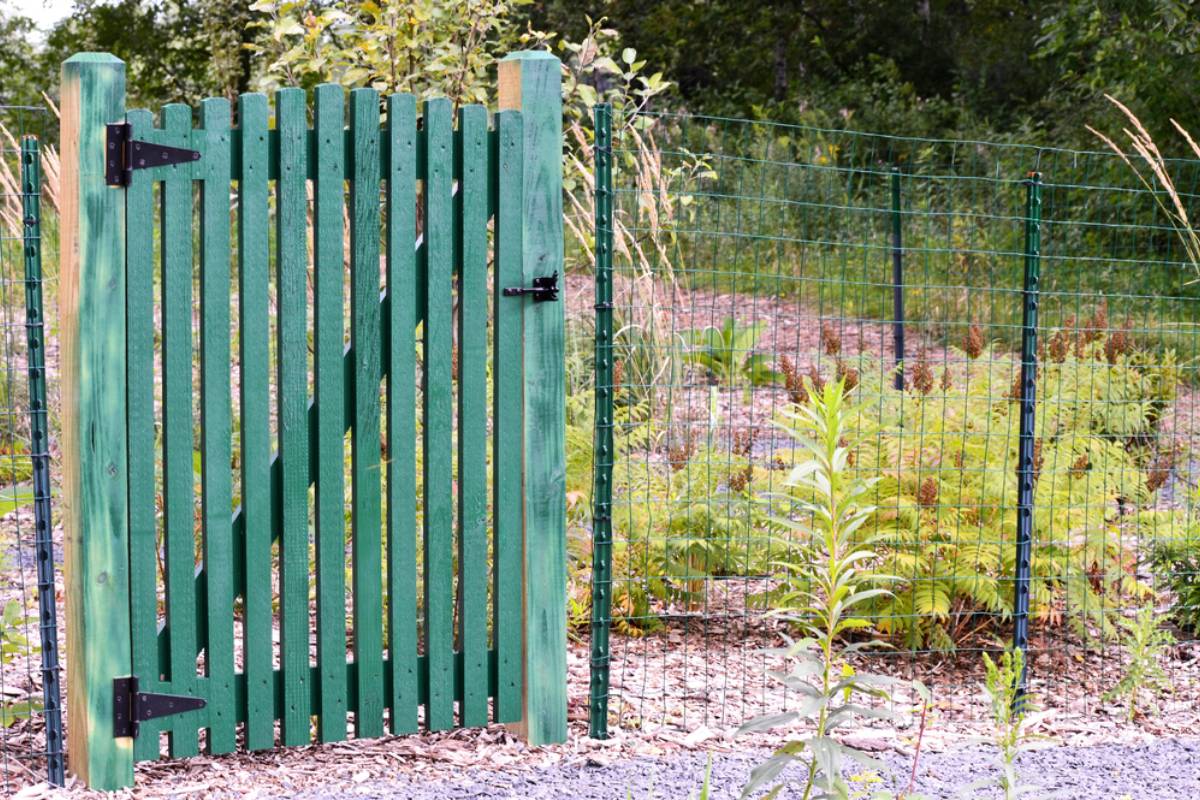
Homeowner Installs a Gate to Protect Her Garden, Then Her Neighbor Suddenly Claims a Historic Right of Way Through the Flower Beds That May Have Disappeared Decades Ago
A garden gate is supposed to keep unwanted visitors out, protect carefully tended plants, and give homeowners a little peace and privacy. But for one homeowner in County Durham, England, installing a gate sparked an unexpected property dispute when a neighbor suddenly claimed the right to walk through the garden. What made the situation especially puzzling was that the supposed path had apparently been blocked for years, and historical records seemed to raise more questions than answers.
A Simple Garden Gate Turns Into a Neighborhood Dispute
A person shared his story about a disagreement that began after he decided to secure his garden with a new gate and fence. He had lived in the property for around seven years without any indication that his neighbor believed she had a right to cross his land. Before the new boundary was installed, the garden had been open, and nobody had challenged the arrangement. Then, almost as soon as the garden became private, the neighbor raised an unexpected objection.
The Neighbor Suddenly Remembers an Old Right of Way
The neighbor reportedly claimed she had a historic right to walk through the homeowner’s garden to reach another area. Her property had a gate facing directly into his garden, which appeared to support the idea that the two spaces had once been connected. However, the homeowner explained that she had never needed to use the alleged route during the seven years he had lived there. The timing raised an obvious question: why had this supposed right suddenly become important only after a gate appeared?
The Missing Path That Nobody Could Find
Things became even more confusing when the homeowner looked for the actual path. There was no obvious walkway, paved strip, or established route running through the garden, and both ends of the alleged passage had reportedly been closed off for years. It was rather like being told that a garden contained a secret entrance when all anyone could see was grass, boundaries, and ordinary outdoor space. For someone who had simply wanted to secure his property, the mystery was becoming increasingly difficult to ignore.
The Mystery Leads Back to the 1920s
The neighbor’s claim reportedly referred to old property conveyances, including a document dating back to 1922. That meant the dispute was no longer just about a gate or a patch of garden, but about paperwork created long before the current homeowner arrived. Historical property documents can sometimes contain rights that are easy to overlook when examining a modern garden. The challenge was figuring out whether those old records actually described the route the neighbor now wanted to use.
Historical Maps Add Another Unexpected Twist
The homeowner began investigating the history of the properties to understand how the alleged path might have existed. From what he could establish, the neighboring house was already present by the 1950s, but his own property had not yet been built in its current form. The land had subsequently been used as a Sunday school, and plans he located for that building did not appear to show the disputed passage. Instead of uncovering a clear route, each historical clue seemed to complicate the story.
Could a Path Exist Even If It Has Disappeared?
One of the most frustrating parts of the dispute was that the physical absence of a path did not necessarily settle the legal question. A right of way can sometimes survive even when the route is no longer obvious, depending on how the right was originally established and what happened afterward. That distinction matters because an overgrown garden path and a legally enforceable access right are not necessarily the same thing. The homeowner understood that finding no visible walkway was not enough to declare victory.
The Difference Between Owning a Garden and Crossing It
For gardeners, a private outdoor space is often an extension of the home, complete with flower beds, vegetables, pots, and carefully planned borders. The possibility that someone else might have a legal right to cross that space can change how the entire garden is used. However, a right of way, if legally established, is generally limited by its terms and does not automatically give someone unrestricted access to every part of another person’s property. The exact route and permitted use would therefore be crucial to understanding what the neighbor could actually claim.
The Old Property Deeds Become the Center of Attention
The homeowner wanted to know whether a solicitor would need to examine old conveyances, title documents, and historical plans to establish the facts. That is an important distinction in disputes involving historic access because a brief description of a property may not tell the whole story. Older documents can contain wording or references that require careful interpretation alongside maps and evidence of how the land was used. In this case, the paperwork might hold the key to determining whether the neighbor’s claim had a genuine foundation.
A Gate Was Meant to Protect the Garden, Not Start a Legal Battle
The homeowner had installed the gate to secure his outdoor space, not to provoke a dispute with the person next door. Before the disagreement began, he had no reason to believe that the open garden arrangement carried any special legal significance. The new boundary simply made the division between the two properties more obvious. Unfortunately, what looked like an ordinary home improvement to one person became the starting point for a much larger argument about historic access.
What Happens When a Path Has Been Blocked for Years?
The alleged route had reportedly been blocked at both ends long before the homeowner purchased the property. That raised another important question: could years of disuse or physical obstruction affect the neighbor’s ability to claim a right of way? The answer can depend on the circumstances, because non-use alone does not automatically mean a legally established right has been abandoned. Evidence of permanent changes, the original terms of the right, and the conduct of the people involved may all become relevant.
A Response From a Person Raises the Burden of Proof
A response from a person discussing the situation emphasized that someone claiming a right of way should be able to explain the basis of that claim. The practical next step would be to examine the relevant documents and establish exactly where the alleged right comes from, rather than relying solely on assumptions about how the properties were once arranged. That approach could help separate a genuine historic access right from a claim that has no adequate supporting evidence. Still, the ultimate legal position would depend on the specific documents and facts, not simply on which neighbor sounded more convincing.
The Neighbor’s Claim Could Be Narrower Than Expected
Even if the neighbor could establish a valid pedestrian right of way, that would not automatically mean she could wander through the entire garden. A right of way normally concerns a particular route and purpose, subject to the terms under which it exists. Depending on the legal arrangement, a homeowner may be able to fence off other parts of the garden while preserving the required passage. For someone trying to protect flower beds, garden furniture, and private outdoor space, establishing the precise boundaries of any access right could make a substantial difference.
The Dispute Becomes More Serious Than a Garden Boundary
As the disagreement developed, the homeowner reported that the neighbor’s son had threatened him, leading to police involvement. What began as a disagreement about a gate and an apparently missing path had now expanded into a more serious neighborhood conflict. That development made it even more important to keep records of communications and handle the property question through appropriate professional channels. A dispute over garden access can be stressful enough without personal confrontations being added to the mix.
The Homeowner Wants Evidence, Not Just Reassurance
Despite the confusing history and the escalating disagreement, the homeowner made an important point: he was not simply looking for people to tell him that he was right. He wanted to establish the actual legal position, including whether an old right could remain valid even if it was not obvious on the current property title. That meant considering both the evidence supporting the neighbor’s claim and the historical records that appeared to challenge it. For a homeowner trying to protect his garden, an accurate answer mattered far more than a quick victory in an argument.
A Missing Garden Path Leaves One Big Question Unanswered
The dispute illustrates how a seemingly ordinary garden improvement can uncover complicated questions about property history, old documents, and access rights. The homeowner had a gate, the neighbor had a claim, and the alleged path seemed to have vanished long before either party could clearly explain its history. Until the relevant documents and circumstances were properly examined, neither the missing walkway nor the old conveyances could settle the matter on their own. What began with a simple attempt to secure a garden had become a mystery stretching back generations, with the final answer potentially hidden in the fine print of property records.