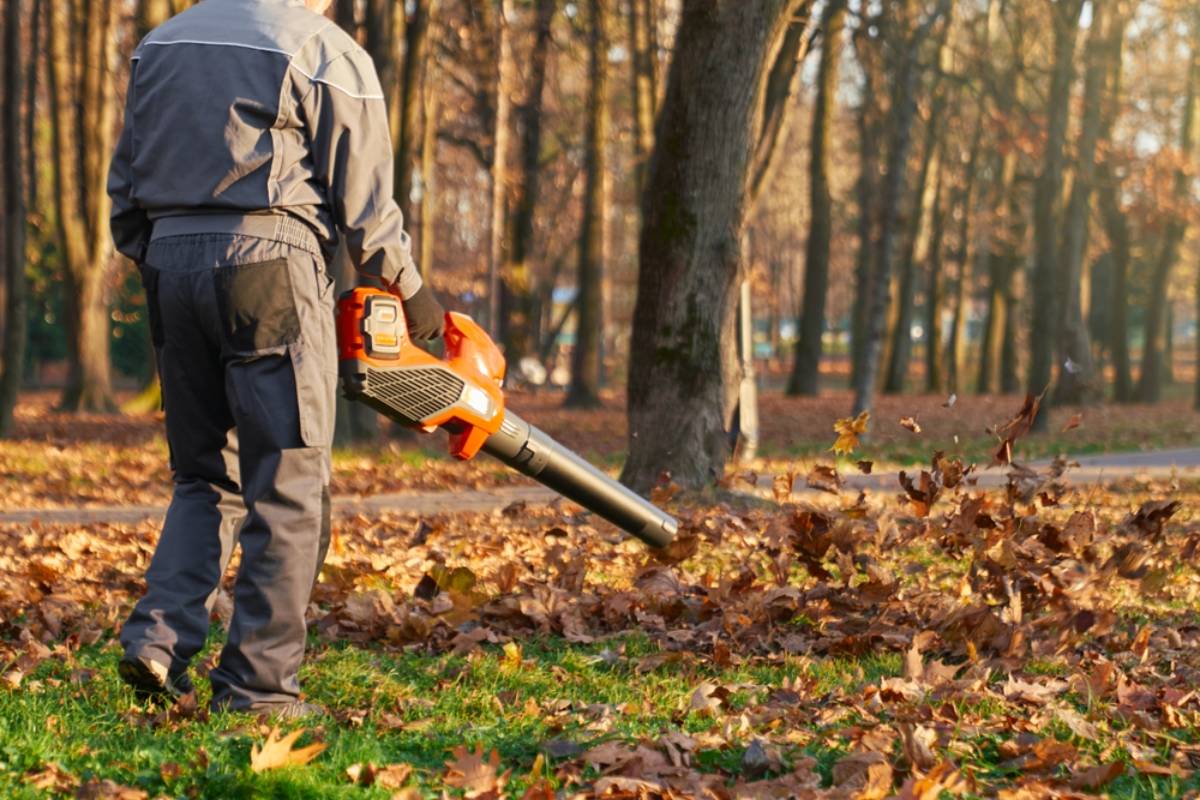
Homeowner Living Deep in Manitoba’s Boreal Forest Watches in Horror as Neighbor Hires Workers to Blow Away Every Fallen Leaf, Then Realizes the Next Wind Could Undo the Entire Operation
Living in the boreal forest of southeastern Manitoba comes with a special kind of peace, where towering trees, natural ground cover, and the sounds of wildlife create a welcome escape from city life. But one homeowner’s quiet surroundings recently took an unexpected turn when a neighbor hired two young adults to clean up the forest floor using leaf blowers. A person shared his story after watching the unusual landscaping project unfold with what he described as horrified interest.
The problem was not simply the noise, although the constant roaring of the machines was certainly hard to ignore. The homeowner was also concerned about the leaves being stripped away from the ground in an environment where they naturally belong. What looked like ordinary yard maintenance to the neighbor seemed to be an unnecessary assault on the very ecosystem that made the property special.
The Neighbor Decides the Forest Floor Needs a Cleanup
The homeowner lived in an actual forest, not a suburban subdivision with a few decorative trees scattered across a manicured lawn. Fallen leaves covered the ground as they normally would in a woodland environment, creating layers of natural material beneath the trees. Yet the neighboring property was apparently being treated as though every leaf were an unwanted intruder.
Rather than allowing nature to take its course, the neighbor brought in workers armed with leaf blowers to clear the forest floor. The homeowner watched as the machines pushed leaves away from the ground, wondering why anyone would put so much effort into removing something that belonged there. The scene raised a bigger question about whether some people can appreciate a forest without trying to make it look like a perfectly maintained city yard.
The Noise Was Only Half of the Problem
Leaf blowers can be irritating even when they are used for a few minutes, but the homeowner’s frustration went beyond the noise itself. The machines introduced a steady stream of mechanical sound and gasoline fumes into an area where the natural soundtrack should have been birds, wind, and rustling foliage. For someone who had chosen to live among trees, the contrast was especially hard to stomach.
The situation also felt unnecessary because the leaves were not covering a paved driveway or blocking access to a walkway. They were lying on the forest floor, where fallen leaves play an important role in the natural environment. Instead of helping the woodland, the cleanup appeared to be removing something valuable simply because it did not look tidy enough.
Fallen Leaves Are Not Just Messy Garden Waste
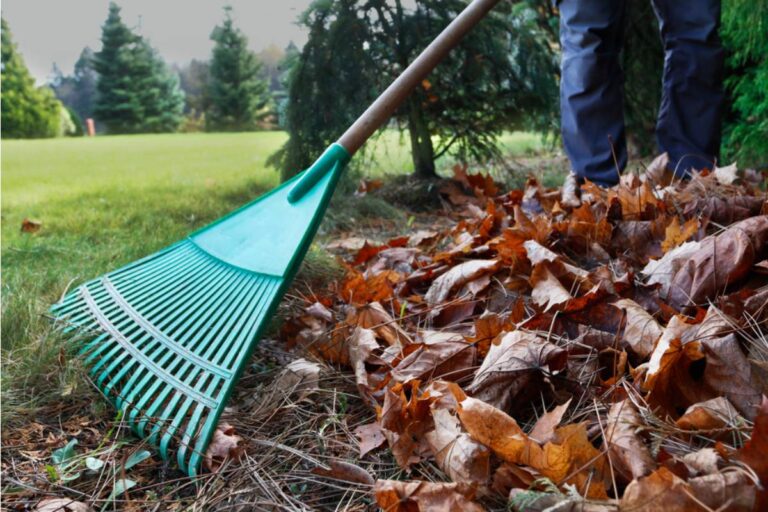
To many homeowners, autumn leaves represent another chore to squeeze into an already busy weekend. But in a woodland ecosystem, those leaves are far more useful than their appearance might suggest. As they break down, they contribute organic matter and nutrients to the soil, helping support the plants and organisms that depend on a healthy forest floor.
Leaf litter also provides shelter and habitat for many small creatures, including insects and other organisms involved in the natural cycle of decomposition. Removing it all can disrupt parts of the ecosystem that are easy to overlook when the only goal is a spotless yard. The homeowner understood this basic environmental value, which made watching the cleanup feel even more frustrating.
The Homeowner Imagines Where All Those Leaves Might End Up
As the workers continued clearing the property, the homeowner began wondering what would happen to the enormous amount of collected foliage. Would the leaves be packed into plastic bags and taken to a transfer station before being hauled to a distant landfill? He estimated that the dump could be around 150 kilometers away, making the imagined disposal process seem even more wasteful.
However, he did not claim to know exactly what the neighbor intended to do with the leaves. The possibility of bagging and transporting them was simply another thought adding to his disbelief. After all, material that could naturally decompose beneath trees might instead become something to collect, transport, and discard.
One Blustery Day Could Undo All That Hard Work
Perhaps the funniest part of the entire situation was the homeowner’s realization that the forest itself had a different plan. The neighboring property might look wonderfully clean after the workers finished, but the surrounding trees were still standing, and the wind was still blowing. Nothing prevented the next strong gust from carrying leaves right back across the property line.
The homeowner could already imagine the irony of watching the supposedly pristine ground become covered again. After all the noise, fumes, and effort, nature might simply restore the mess that the workers had been hired to remove. It was difficult not to see the entire operation as a battle against a landscape that had no intention of cooperating.
A Response From a Person Calls Leaf Blowers a Modern Scourge
A response from a person who had spent many years living in an urban environment expressed strong agreement with the homeowner’s frustration. The person described leaf blowers as a scourge disguised as convenience, suggesting that the problem was familiar far beyond Manitoba’s forests. What seemed like a local annoyance was apparently part of a much larger debate about how obsessively people maintain their yards.
Other people shared similarly exasperated observations about the lengths some homeowners go to eliminate every fallen leaf. One person described watching someone chase a single leaf around a parking lot for twenty minutes, turning a simple landscaping task into an almost comical spectacle. These stories showed that the homeowner was hardly alone in questioning the need for such relentless cleanup.
Some Homeowners Want Every Last Leaf Gone
One response described a neighbor who apparently insisted on keeping the lawn completely leafless, no matter the weather. Another person recounted dealing with someone who used a leaf blower for one or two hours every day, even when there seemed to be little left to remove. The stories painted a picture of yard maintenance becoming less about caring for plants and more about achieving an almost impossible standard of cleanliness.
The behavior was especially puzzling because leaves naturally return throughout the year, particularly when trees surround a property. A yard can look different from one afternoon to the next without anyone having done anything wrong. Yet for some homeowners, even a small amount of natural debris seems to demand immediate action, no matter how much time, fuel, or patience the cleanup consumes.
One Person Reveals the Sad Secret of a Leafless Garden
The conversation took another turn when someone described a neighbor whose small garden looked dry, crunchy, and visibly unhappy. Despite struggling plants, the neighbor reportedly spent considerable energy chasing leaves away from the yard rather than directing that effort toward improving the garden. The contrast raised an obvious question: what if some of that determination had been used to care for the plants instead?
Leaves can be useful as part of a garden’s natural mulch, helping protect the soil and eventually contributing organic matter as they decompose. Depending on the plant and the conditions, a layer of suitable leaf mulch can help moderate soil temperatures and reduce moisture loss. In that case, the very material being treated as a nuisance might have been part of the solution to the garden’s problems.
The Forest Is Not a Suburban Lawn
One response summed up the confusion with a simple question about why anyone would want a manicured lawn in the middle of a forest. It captured the strange contrast between choosing to live among mature trees and then trying to remove the natural signs of having trees nearby. A woodland property comes with falling leaves, branches, seasonal changes, and the occasional reminder that nature does not follow a landscaping schedule.
The homeowner’s story highlighted the difference between maintaining a functional outdoor space and trying to control every detail of a natural landscape. A walkway might need clearing, and gutters may require occasional attention, but the entire forest floor does not automatically need to be stripped bare. Sometimes the most appropriate form of gardening is knowing when to leave the landscape alone.
Another Neighbor Turns Leaf Blowing Into a Year-Round Hobby
The discussion also uncovered a particularly memorable example of leaf-blower dedication. One person described a neighbor who reportedly went outside at night to blow leaves while wearing a hat fitted with a light, and occasionally climbed onto the roof to clear leaves on seemingly random summer days. The behavior sounded less like seasonal yard maintenance and more like a hobby that had developed a schedule of its own.
Other people described similar experiences with neighbors who seemed unable to tolerate even a small amount of natural debris. In some cases, the machines were used so frequently that their noise carried directly into nearby homes and gardens. For people seeking a little peace outdoors, these routines could turn an ordinary afternoon into an unwanted mechanical soundtrack.
The Gasoline Fumes Make the Situation Even Worse
For several people responding to the story, the problem was not limited to leaf blowers. Loud gasoline-powered lawn mowers were another major source of frustration, especially when they ran for long stretches in otherwise peaceful neighborhoods. The smell of exhaust combined with the roar of machinery could make sitting outside and enjoying a garden surprisingly unpleasant.
One person explained that even freshly cut grass could become difficult to enjoy when nearby equipment filled the air with fumes. The original homeowner also shared an example involving a neighbor who preferred a noisy gasoline mower over an electric model that had been offered to her. The refusal was particularly baffling to him because the electric mower could have provided a quieter alternative for maintaining a conventional lawn.
The Electric Mower Debate Adds Another Layer of Irony
The homeowner explained that he and his household had previously offered their electric mower to a friend and neighbor who maintained a lawn in the forest. She declined, choosing to continue using her gasoline-powered machine despite the noise and frustration associated with it. The story added another example of how familiar habits can persist even when a potentially quieter option is available.
Another response challenged the widespread assumption that electric mowers cannot handle demanding grass. The person described using one on tall, wet prairie grass and reported that it performed well despite spending a long time unused in a garage. While performance depends on the particular machine and the conditions, the exchange illustrated how strongly some people cling to assumptions about yard equipment without necessarily testing the alternatives.
The Homeowner Wonders Whether a Gentle Conversation Could Help
Not every response treated the neighbor’s behavior as an unsolvable mystery. One person suggested that the homeowner might simply ask why the leaves were being cleared and try explaining their importance to the forest. Perhaps the neighbor had become accustomed to urban landscaping standards and assumed that a clean yard was the proper way to maintain any property.
That suggestion offered a more constructive approach than the frustrated thought of telling the neighbor to return to the city. A calm conversation could reveal whether the cleanup was driven by appearance, a misunderstanding about forest maintenance, or some practical concern that had not been mentioned. Even if the homeowner could not change the neighbor’s habits, a friendly explanation might at least introduce a different perspective on the landscape.
The Real Twist Is That Nature Does Not Need to Be Tidied Up
By the end of the discussion, the situation had become a story about more than an annoying machine or a neighbor with an unusually strict definition of a clean yard. It highlighted the tension between treating nature as a living ecosystem and treating it as a space that must be constantly controlled. The homeowner had moved into the forest to enjoy its natural character, only to watch someone nearby attempt to remove one of the most ordinary parts of that environment.
And then there was the ultimate punchline: the next big wind could simply blow the leaves back again. The workers could clear the ground, the machines could roar, and the bags might eventually be filled, but the surrounding forest would continue dropping leaves as usual. Sometimes, the most effective gardening lesson is also the simplest one: a healthy natural landscape does not need to look spotless to be doing exactly what it should.