Homeowner Says Her Neighbor Complained About Leaves From Her Tree, Then Someone Discovered His Own Trees Were Causing the Same Mess
A person shared a story about a neighbor who received an unexpected letter from the homeowners association regarding a tree in her backyard. Apparently, another neighbor had complained that her tree was dropping leaves onto his property. That might have sounded like an ordinary neighborhood complaint, except there was one very obvious problem with the accusation.
The complaining neighbor had an identical type of tree growing in his own yard. It was also the exact season when those trees naturally shed their leaves. Suddenly, the neighborhood had a mystery that sounded less like gardening and more like a botanical courtroom drama.
The Trees Were Practically Twins
The situation became especially amusing because the two trees were not merely similar. They were the same type of tree, growing on opposite sides of the property line.
Both were going through their normal seasonal leaf drop, meaning the yards were going to contain plenty of fallen leaves regardless of which direction the wind decided to blow. Yet somehow, one homeowner had apparently decided that only the neighbor’s tree was responsible for the leafy invasion.
Nature Had Other Plans
Anyone who has spent time gardening knows that leaves are not particularly interested in respecting property boundaries. A gust of wind can send them across a driveway, onto a patio, through a hedge, or straight into somebody else’s flower bed.
The trees certainly were not checking house numbers before releasing their leaves. Once the season arrived, the neighborhood was going to get a carpet of foliage whether the homeowners association approved of it or not.
Then the HOA Entered the Story
Instead of simply accepting the leaves as a normal part of the season, the complaint somehow made its way to the HOA. The homeowner was then faced with a formal notice concerning something that trees have been doing naturally for thousands of years.
That raised an obvious question. If falling leaves were considered a violation, where exactly would responsibility end? Would every homeowner need to identify the origin of every leaf before picking it up?
The Leaf Investigation Would Be Impossible
A response from a person joked about how anyone could possibly determine which tree produced a particular leaf after the wind had carried it across multiple yards. Once leaves begin tumbling around, they can travel surprisingly far.
A leaf could land in one yard, be blown into another during the afternoon, and then get swept beneath a hedge by evening. At that point, establishing its exact journey would require considerably more detective work than most people would expect from a gardening complaint.
The Wind Was Apparently the Real Culprit
The story became even more complicated because the neighborhood was exposed to natural airflow that moved leaves in several directions. Hills, surrounding trees, houses, and open spaces could all influence where the fallen foliage ended up.
That meant blaming one particular tree for every leaf was almost impossible to prove from appearances alone. The leaves were simply following the wind, which had no interest in taking sides.
One Neighbor Had a Very Different Theory
Another person described living in an area where huge numbers of trees surrounded several properties. Even with thousands of trees nearby, a neighbor had spent years insisting that specific leaves could be traced back to one particular property.
The reasoning was apparently based on identifying the types of trees growing around the homes. It sounded impressive until the much simpler explanation came along: there were trees everywhere, and leaves were being carried around by the wind.
Then the Story Took a Stranger Turn
The leaf dispute would have been ridiculous enough by itself, but the original storyteller later revealed that the disagreement was not really about leaves at all. The complaining neighbor had allegedly developed a pattern of interfering with the other homeowner’s property.
At one point, he reportedly entered her backyard in the evening while her husband was away and turned off her pool filter because he disliked the noise. Suddenly, the complaint about leaves looked less like an isolated annoyance and more like another chapter in an ongoing feud.
His Own Palm Trees Were Causing Problems
There was an especially ironic detail involving the complaining neighbor’s own landscaping. His property contained palm trees that apparently needed pruning, and pieces of dead fronds were ending up in the other homeowner’s pool.
That created a spectacular double standard. One neighbor was supposedly upset about naturally falling leaves, while his own unmaintained trees were sending debris into someone else’s backyard.
The Leaves Were Actually Useful
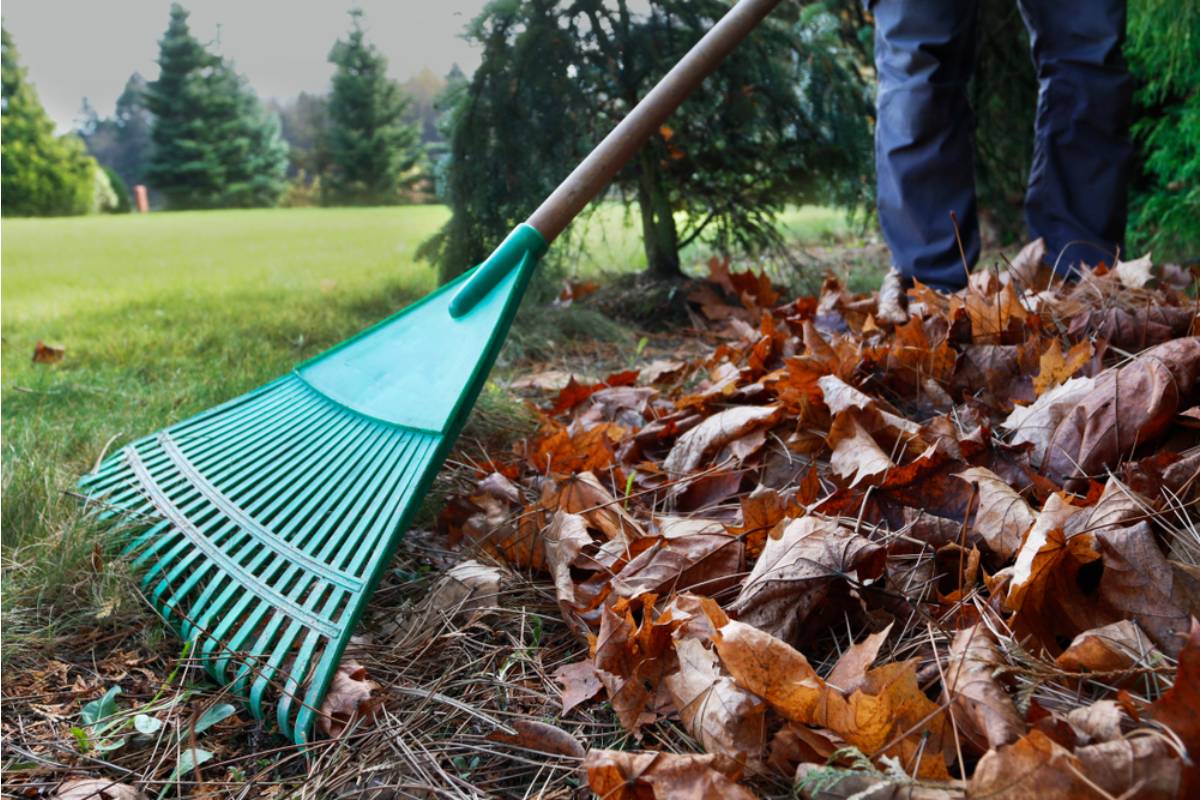
The homeowner caught in the middle was not even particularly bothered by the leaves. In fact, the person sharing the story explained that the leaves were collected and used as mulch.
For a gardener, fallen leaves can be useful organic material rather than a nuisance. What one person sees as yard waste, another person sees as free material for improving garden beds.
A Response From a Person Had a Simple Question
One response from a person asked a question that exposed the absurdity of the entire situation: how could the complaining homeowner possibly keep his own leaves contained?
The same wind that carried leaves from one property could just as easily carry his leaves elsewhere. Unless he had discovered a revolutionary method of fencing in individual pieces of foliage, the problem was never going to stay neatly on one side of the property line.
Would the HOA Start Investigating Every Leaf?
The HOA’s involvement raised another amusing possibility. If the complaint were taken seriously, someone would eventually have to determine exactly which tree produced each leaf.
Imagine a neighborhood inspection where fallen leaves are examined like evidence. One homeowner could point toward a brown leaf and insist it came from next door, while the other could point toward an identical leaf and argue that it came from the tree in the complaining neighbor’s own yard.
The Real Problem Was Clearly Bigger Than Leaves
By this point, the leaves seemed almost incidental. The dispute appeared to involve noise, landscaping, property boundaries, maintenance, and long-running frustration between neighbors.
The tree complaint was simply the latest spark. When people are already irritated with each other, even something as harmless as a pile of leaves can suddenly become the centerpiece of a much larger argument.
The Pool Filter Added Another Layer
The alleged pool-filter incident made the situation particularly strange from a gardening and property perspective. Someone had apparently decided that the solution to an unwanted sound was not a conversation, but entering another person’s backyard and switching equipment off.
That behavior changed the tone completely. A disagreement about landscaping can sometimes be solved with pruning, cleanup, or a polite conversation, but interfering with another person’s property creates an entirely different kind of neighborhood problem.
The Palm Trees Were the Ironic Finale
Perhaps the funniest part of the story was that the complaining neighbor apparently had his own landscaping problem waiting next door. His palm trees were dropping dead fronds into the other homeowner’s pool, yet he reportedly refused to pay for professional pruning.
So while he was worrying about leaves from someone else’s tree, his own neglected trees were producing their own debris. The garden feud had effectively come full circle.
The Trees Were Never Going to Cooperate
There was no realistic way to make seasonal leaf fall obey an HOA boundary. Trees do not understand property lines, and wind certainly does not stop at a fence.
The only people trying to impose those boundaries were the homeowners themselves. Nature, meanwhile, continued doing exactly what nature does every autumn.
The Garden Won the Argument
In the end, the most amusing part of the story may be that the person who actually enjoyed the fallen leaves was not bothered by them at all. The leaves had a purpose, the trees were behaving normally, and the garden could use the organic material.
The conflict came entirely from people trying to control something that could not realistically be controlled. What began as a complaint about a few leaves ultimately revealed a much bigger neighborhood feud, complete with identical trees, an HOA letter, unwanted pool visits, neglected palms, and two yards that apparently could not agree on where nature’s debris belonged.