Homeowner Planted Cold-Hardy Cacti Along Her Fence After Vacation Renters Kept Trespassing, Then a Flashlight Appeared Across Her Backyard at Night
When a homeowner bought her place, she thought the two-story property next door was simply another house in the neighborhood. Eight months later, she discovered that the building was actually being used as two separate vacation rentals, bringing a steady stream of temporary visitors right beside her home. Most guests had caused no trouble, so she initially had little reason to worry.
That changed when two particular visitors turned the peaceful property line into a daily headache. A man and a teenager were repeatedly seen climbing over the fence into her heavily wooded backyard. Suddenly, the garden was no longer just a place to enjoy the trees and terrain, but somewhere she had to defend from unexpected visitors.
The Backyard Was No Ordinary Yard
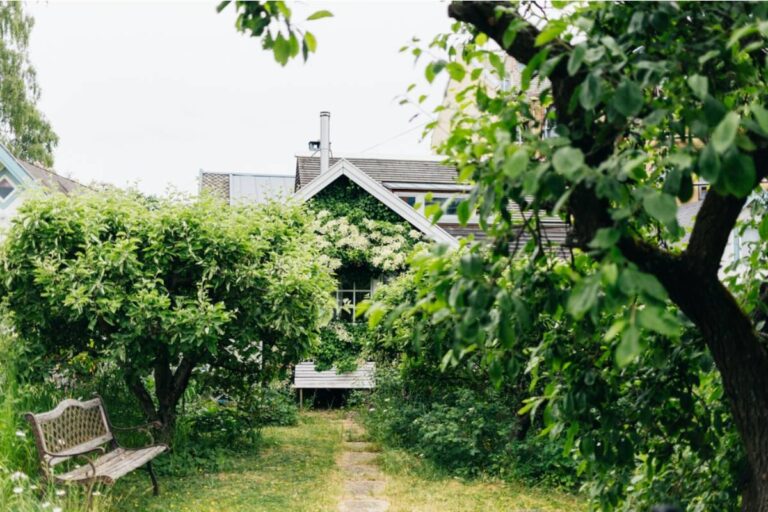
The homeowner explained that her backyard sat on an extremely steep hill covered with woods, making it dangerous for anyone unfamiliar with the terrain. A misplaced step could mean a serious fall, especially for someone casually wandering through the property without knowing where the ground suddenly drops. That alone would have been enough reason to stay on the correct side of the fence.
There was another problem waiting in the yard too. The homeowner had a rescue dog that strongly disliked men, making an unknown male suddenly appearing among the trees a serious concern. What looked like harmless vacation fun from the neighboring deck could become a chaotic encounter within seconds.
Then the Yard Became a Playground
The guests next door apparently treated the area as if every yard around them was part of the rental’s recreation space. Ping pong balls and bean bags used for cornhole repeatedly flew over the fence and landed on the homeowner’s property. Instead of spending her time pruning plants or enjoying the woods, she was watching sports equipment invade her garden.
Then things got even messier. Someone reportedly knocked into a beer pong table, sending several cups filled with beer tumbling from the deck into the homeowner’s yard. The combination of flying game pieces, spilled drinks, and people climbing over the fence made the whole situation feel less like a vacation rental and more like an outdoor party spilling into someone else’s garden.
The Homeowner Finally Went Next Door
After seeing another person inside her yard, the homeowner decided she had enough and went over to speak with the guests. She explained that she had just seen someone trespassing and warned them that the steep landscape could seriously injure someone who did not know how to navigate it. She also explained that her dog was uncomfortable around men, making random entries into the yard an even bigger issue.
According to the homeowner, the wife or mother in the group seemed to behave as though nothing unusual had happened. The homeowner, however, knew exactly what she had seen and was not interested in pretending otherwise. She had already spent enough time dealing with flying objects and unwanted visitors without having to argue about whether someone had actually crossed the fence.
Then the Bears Entered the Story
The homeowner also had one very unusual warning that most suburban neighbors would never need to give. She explained that bears had recently come out of hibernation and that a bear and two cubs had been in her yard the previous night. She added that the animals often spent time in a large ponderosa tree during the day.
Her point was simple enough: the wooded backyard was not a safe place for random visitors. If someone ignored the fence and wandered into the trees, they could encounter wildlife as well as unstable terrain and an unhappy dog. The homeowner’s garden suddenly came with far more natural hazards than a standard warning sign could cover.
Finding the Rental Owners Became Its Own Mystery
After the repeated trespassing continued, the homeowner tried to figure out who actually owned the vacation rentals. She searched the major vacation-rental websites but could not find the properties listed on their maps. She also left notes on the door asking the owners to contact her or at least keep her number available in case of an emergency.
None of those attempts produced much of a response. The homeowner was left trying to manage a problem created by guests while having no direct line to the people responsible for the property. Her own garden was becoming the place where every failed attempt at communication eventually landed.
Even the Cameras Were Being Ignored
The homeowner had already installed cameras around her property, apparently hoping that visible surveillance would discourage people from crossing the fence. Instead, the cameras seemed to have little effect on the guests. People continued wandering where they were not supposed to be, leaving the homeowner to wonder what kind of warning would actually work.
That made the fence itself feel almost decorative. A barrier designed to separate two properties was being treated like a suggestion rather than a boundary. For a homeowner surrounded by steep woods, mature trees, and expensive landscaping, that was becoming increasingly frustrating.
She Called for Help, But There Was a Catch
After the teenager was seen inside the yard, the homeowner contacted the local non-emergency line. She explained that she worked for the agency and understood that the officers were stretched thin, so she was not expecting an instant response. Still, knowing that no units were available did not make the trespassing feel any less real.
The situation left her in an awkward position. She did not want to waste emergency resources over a neighborhood dispute, but the repeated entries were becoming more serious and potentially dangerous. The garden remained physically separated from the rental, yet the people staying next door kept finding their way into it.
Then a Flashlight Appeared at the Window
The real twist arrived later that night when the homeowner was preparing for bed. She noticed a flashlight shining through her kitchen window before the beam quickly moved away. When she looked toward the neighboring property, she realized the guests were apparently outside on their deck shining the flashlight across her backyard.
At that point, the problem was no longer just daytime carelessness. The strange nighttime beam made the homeowner feel as though the neighboring guests were actively paying attention to what was happening on her side of the fence. Her wooded garden, which had once provided privacy, had somehow become the thing they were deliberately scanning after dark.
The Cameras Were Repositioned
With the situation escalating, the homeowner went back outside to reposition one of her cameras. She wanted it aimed toward the area where activity was taking place and hoped an alarm would sound if anyone entered the yard. It was another example of the homeowner having to upgrade her property just to maintain the basic boundaries she expected when buying a house.
The irony was difficult to miss. Instead of planting flowers, improving beds, or simply enjoying her trees, she was outside adjusting surveillance equipment. The backyard was turning into a project of protection rather than a place of relaxation.
Then Gardening Offered a Rather Prickly Solution
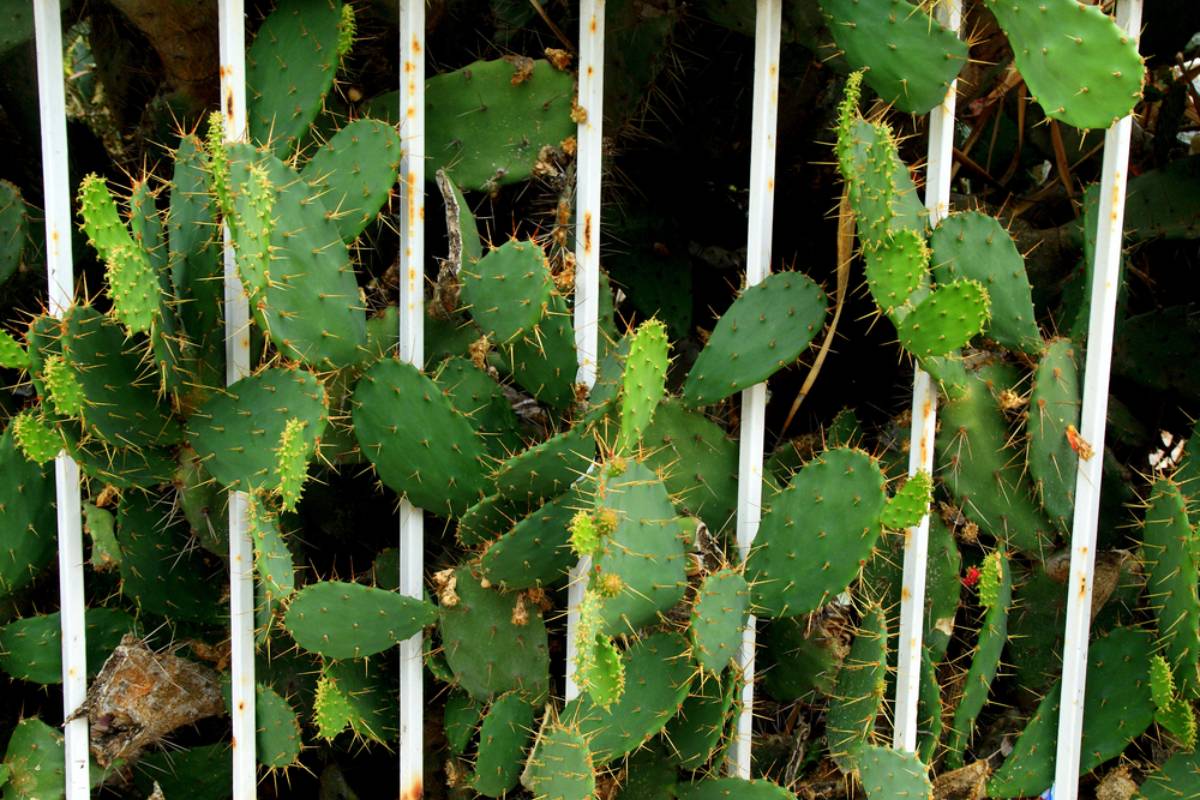
The homeowner eventually announced that she planned to buy cold-hardy cacti and plant them along the fence. She grew up in the desert and apparently missed having the tough, spiky plants around her property anyway. What began as a practical landscaping idea suddenly had a second purpose.
This was not about turning the yard into a fortress overnight. The cacti would simply create a natural boundary that made casually stepping over or through the fence much less appealing. For someone whose cameras had failed to deter unwanted visitors, a row of prickly plants was certainly a memorable gardening strategy.
A Response From a Person Pointed Her Toward Property Records
A response from a person suggested contacting the local code enforcement office because short-term vacation rentals may have registration requirements depending on the area. Another response from a person recommended checking county property records, where ownership information can sometimes be available through public assessor websites. Those suggestions gave the homeowner a possible way to stop chasing rental listings and instead identify the people who actually owned the building.
Other responses also suggested checking whether short-term rentals were allowed in the neighborhood in the first place. If the rental operation was required to meet local rules, a complaint could potentially bring the property to the attention of the appropriate authorities. For the homeowner, finding the owner was becoming just as important as figuring out how to protect the garden.
Some People Wanted to Solve the Problem With Wildlife
The story also inspired some surprisingly dramatic suggestions from people who heard what was happening. A few responses joked about using bears or bear-related tactics to convince the guests to stay on their side of the fence. The homeowner herself had already made the genuine wildlife risk clear, so the jokes only added another layer of absurdity to the situation.
The bear jokes may have been funny, but the real lesson was much simpler. Wild animals were already visiting the property naturally, and no one needed to encourage them or interfere with them. The safest solution was to keep people out of the wooded area and let the garden remain a boundary rather than turning it into a wildlife attraction.
Fence Signs Became Part of the Plan
Another response from a person suggested adding clear no-trespassing signs along the fence line and continuing to save camera recordings. That advice fit neatly with the homeowner’s existing efforts to make the property boundaries obvious. The goal was no longer to hope visitors understood the landscape on their own.
For a wooded property, small details such as signs, fencing, lighting, and well-positioned cameras can all make the boundary more visible. The homeowner had already learned that a camera alone was not enough. Now the fence would have plants, warnings, surveillance, and perhaps just enough cactus spines to make wandering into the garden less attractive.
The Garden Finally Had a New Job
What started as an ordinary backyard had slowly become a complicated mix of steep terrain, mature trees, wildlife, recreation equipment, and privacy concerns. The homeowner had bought her house expecting to enjoy the property, but the neighboring rental turned parts of that experience into a constant battle over where people were allowed to walk. Every new incident pushed her toward another landscaping or security solution.
And yet the cactus plan added an almost satisfying twist to the story. Instead of building an ugly barrier or giving up on the yard, she could use plants she genuinely liked to reinforce the boundary. After all the ping pong balls, bean bags, beer cups, flashlights, and surprise visitors, the garden was preparing to fight back in the most gardening-friendly way possible: with thorns.