Homeowner Says a Neighbor Agreed to Trim a 50-Year-Old Bay Tree Before New Tenants Arrived, Then Cut Half of It Across the Property Line
A person shared his story about a mature bay tree that had stood on his property for roughly 50 years. It had become more than just another plant in the yard, providing substantial greenery and helping create a natural screen between the two properties. Nobody expected that tree to become the center of a neighborhood dispute.
The trouble started when the owner of the neighboring property began preparing the house for new tenants. The neighbor looked at the overgrown branches reaching across his side of the boundary and decided something needed to be done. At first, the homeowner had no problem with that idea.
The Neighbor Asked for a Simple Trim
The neighbor approached the homeowner and asked whether he could prune the vegetation hanging over his property. Since those branches were genuinely extending into the neighbor’s yard, the request seemed reasonable. The homeowner agreed to let him trim that overhanging growth back.
As far as the homeowner understood, that was the entire agreement. There was no discussion about dramatically reshaping the tree or removing large sections from the homeowner’s side. It sounded like an ordinary bit of boundary-line gardening.
Then the Pruning Went Much Further
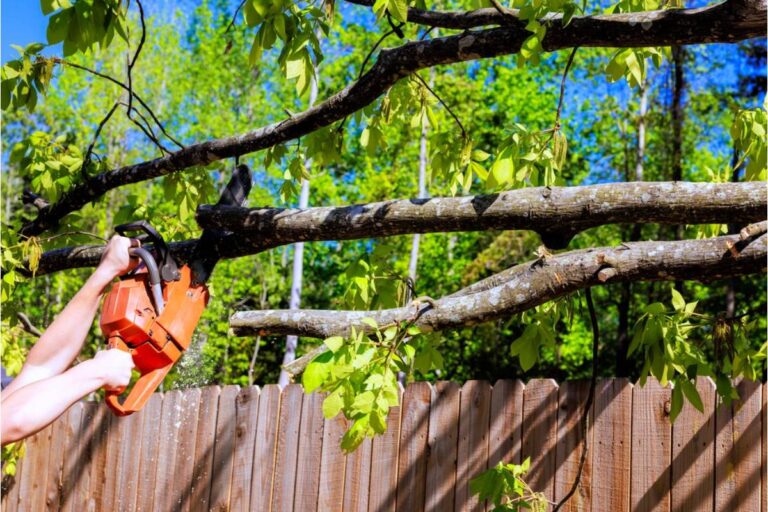
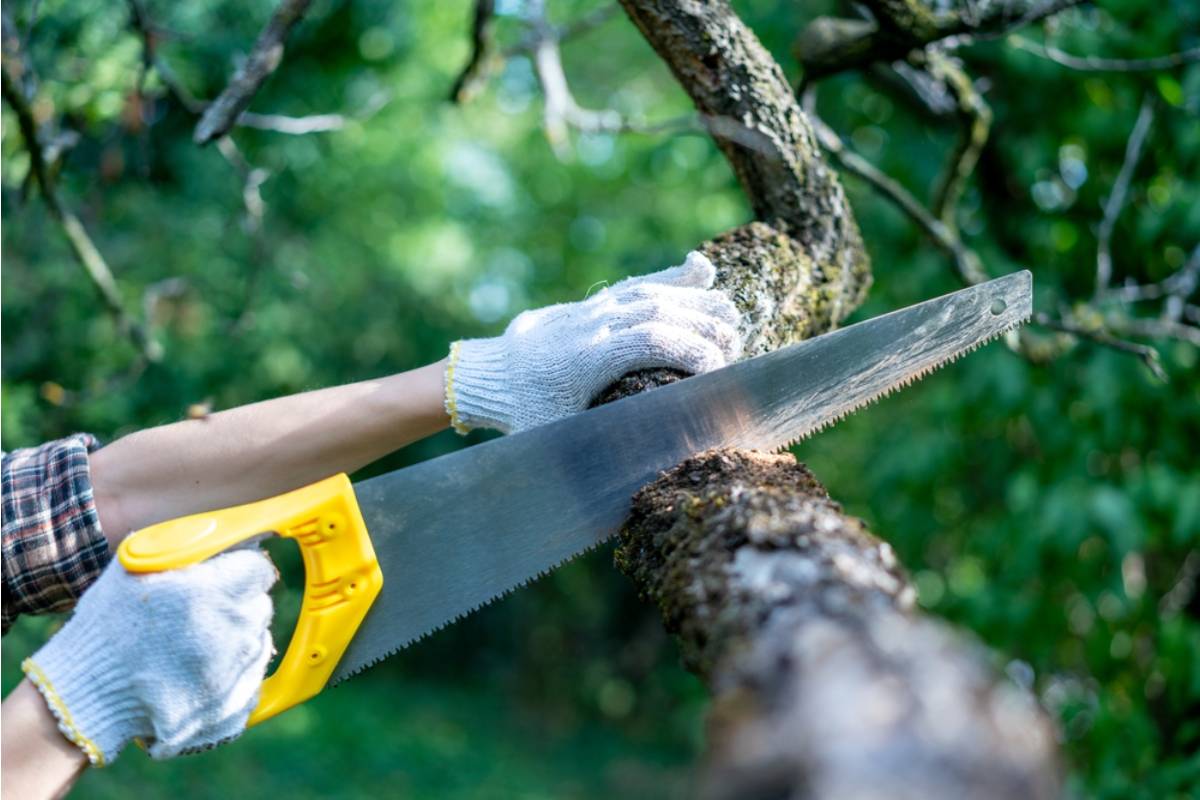
When the neighbor actually began cutting, the homeowner quickly realized this was not the tidy trim they had discussed. Branch after branch started disappearing, and the work continued farther than expected. Before long, the homeowner had to intervene and stop him.
The strange part was that the neighbor apparently believed he was helping. From his perspective, he was simply doing the homeowner a favor by giving the old tree a thorough haircut. Unfortunately, the haircut had already gone well beyond what the homeowner thought he had agreed to.
Half the Tree Suddenly Looked Different
The result was impossible to miss. A huge portion of the mature bay tree had been cut away, leaving the remaining tree looking dramatically unbalanced.
Instead of the thick green screen the homeowner had enjoyed for years, there was suddenly a much more open view toward the neighbor’s garage. Decades of growth had disappeared in a single afternoon.
The Boundary Line Became the Big Question
The homeowner later explained that every cut made by the neighbor had gone beyond the property boundary. That distinction became the heart of the dispute because the original permission had only concerned vegetation hanging over the neighbor’s side.
A response from a person pointed out that a property owner may generally deal with branches extending onto their side, but that does not automatically give permission to cut into the portion of the tree belonging on the other side. Suddenly, what looked like routine pruning had become a much bigger property issue.
The Garden Lost More Than a Tree Branch
The damage was not limited to the bay tree itself. The mature branches had also supported grape and passion fruit vines, which had become part of the garden over time.
Those vines were destroyed along with the branches carrying them. For the homeowner, it meant losing layers of established greenery that could not simply be replaced with a quick trip to a garden center.
The Falling Branches Created Another Shock
The homeowner was also upset by what happened during the cutting itself. The branches were dropped into his yard rather than carefully managed elsewhere.
The noise and sudden crashing were so alarming that the homeowner’s children thought something had happened to their chickens. What had started as an ordinary gardening task next door turned into a frightening surprise for the family.
A Response Suggested Looking at the Tree’s Future
A response from a person suggested bringing in an arborist to determine how badly the mature tree had actually been affected. That would help establish whether the tree was likely to recover naturally or whether the excessive pruning had created a more serious problem.
Another response explained that heavy pruning can sometimes cause problems depending on the tree, timing, and condition of the cuts. In this particular case, however, several people noted that a mature bay tree can be remarkably resilient and may produce substantial new growth.
The Bay Tree May Have Had a Comeback Waiting
One response from a person argued that bay trees can tolerate surprisingly aggressive pruning. According to that view, the tree might eventually send out vigorous new shoots and begin filling the missing space again.
That possibility offered at least a little hope for the homeowner. Still, there was a catch: even if the tree survived, regrowing decades of mature structure would take considerably longer than cutting it down had taken.
The Garden’s Privacy Was Suddenly Gone
The homeowner’s biggest visual complaint was the newly exposed view of the neighbor’s garage. The old tree had effectively acted as a living privacy screen, and removing half of it changed the appearance of the entire garden.
For someone who had lived with that greenery for years, the difference was not minor. One day there was a mature wall of foliage, and the next there was an unexpected view through the branches.
Some People Recommended Keeping Everything in Writing
A response from a person suggested that the homeowner first speak with the neighbor about what had happened and clearly document the conversation afterward. Written communication could make the original agreement easier to establish if the dispute continued.
The suggestion also highlighted an important gardening lesson for future boundary work. When another property owner wants to prune a tree that belongs to you, a vague verbal agreement can leave plenty of room for misunderstandings about exactly how much cutting was authorized.
The Neighbor’s Definition of “Helping” Was Quite Different
The homeowner’s account made one detail especially memorable: the neighbor apparently considered the excessive pruning a favor. That interpretation was difficult for the homeowner to appreciate while staring at a dramatically reduced 50-year-old tree.
It was the kind of gardening favor where the person doing the helping seemed much happier with the result than the person who owned the garden. And that was before anyone considered the destroyed vines, fallen branches, and missing privacy.
The Tree Could Still Have the Last Laugh
Despite the frustration, the story may not be over for the bay tree. Several responses suggested that its ability to produce fresh growth could eventually transform the ugly-looking canopy again.
The twist is that the neighbor may have accidentally created a temporary eyesore rather than permanently defeating the garden’s greenery. If the bay responds with vigorous new shoots, the homeowner could eventually watch the tree reclaim the space that disappeared so suddenly.
A Simple Trim Turned Into a Neighborhood Mystery
What began as a straightforward request to remove overhanging vegetation became a dispute over boundaries, damaged plants, lost privacy, and the fate of a tree that had been growing for half a century. The homeowner believed permission had been given for a limited trim, while the neighbor apparently treated the task as an opportunity for a much larger makeover.
Now the garden is left waiting to see what happens next. Will the bay tree recover and rebuild its leafy screen, or will the missing branches remain a permanent reminder of the day a simple pruning job went completely off script?