Homeowner Says a Neighbor Put a Camera Beside the Fence After a Tree Branch Shaded Her Garden, So the Family Turned Their Backyard Into a Living Privacy Screen
A person shared his story about his parents, who had lived in the same home for 27 years with the same neighbors directly behind them. Over all those years, the backyard had remained familiar and peaceful, with one especially important feature: his mother’s garden. Gardening was her favorite pastime, so the space had become much more than a patch of plants behind the house.
The neighbors had a large maple tree growing close to the fence, and one of its branches stretched into the family’s yard. The branch cast shade over part of the garden, making it harder for some of the plants to get the sunlight they needed. For years, the family apparently lived with the inconvenience until one small branch finally became the beginning of a much bigger neighborhood dispute.
One Branch Reached Too Far
The homeowner explained that his parents believed the neighbors were away when they decided to trim the offending branch. They used clippers to remove a relatively small branch and cut it only slightly past the fence so they could make a proper cut near the branch collar. Instead of turning into a quick bit of garden maintenance, the job immediately became a source of conflict.
Unfortunately, the neighbors were home and noticed what had happened. An argument followed, and the parents apologized repeatedly for not asking beforehand. According to the person sharing the story, nobody stepped into the neighbors’ yard, and the family believed the trimming itself had been within their rights.
The Tree Argument Should Have Ended There
The branch was hardly some enormous limb threatening the health of the tree. The person later explained that it was roughly two inches in diameter and that the entire cut took around ten seconds with a pair of clippers. His parents were experienced gardeners and believed they had removed a small nuisance without harming the maple.
After the confrontation, everyone might reasonably have expected the matter to disappear. The family had apologized, the branch was gone, and the garden once again had more light. Instead, a few days later, something appeared beside the fence that made the original argument look surprisingly harmless.
Then the Camera Appeared
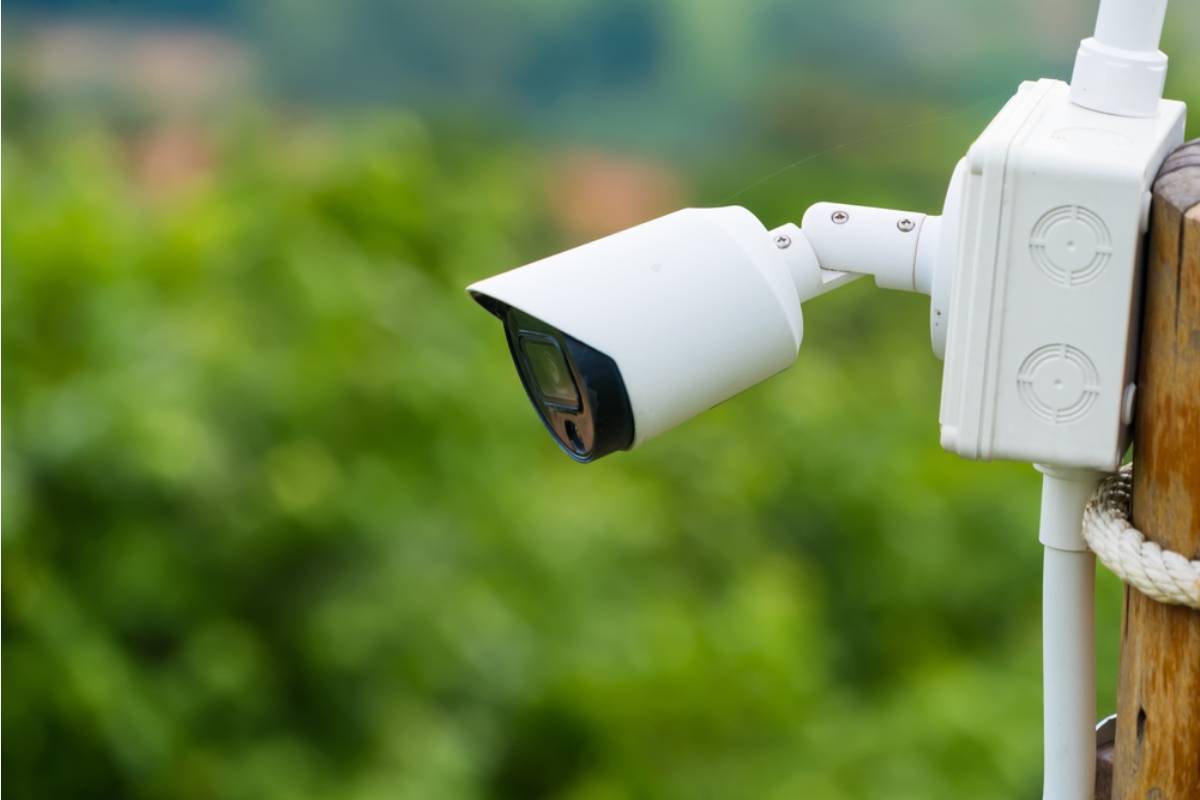
The neighbors installed a free-standing camera only a few feet from the fence. What immediately bothered the family was where it was aimed. According to the homeowner, the camera did not appear to monitor the neighbors’ own yard and instead pointed directly into the family’s backyard.
For his mother, that changed everything. She had spent decades happily working among her plants, but now the feeling of being watched made her uncomfortable in the very place where she had always felt at home. The garden had gone from a peaceful retreat to a place she was suddenly avoiding.
The Camera Was Pointing Toward the Garden
The person sharing the story emphasized that this was not simply a security camera pointed toward a driveway or gate. The camera’s position gave it a direct view of the backyard where the family spent time gardening. That distinction was what made the situation feel particularly invasive from their perspective.
Instead of checking whether the maple tree was growing too far over the fence, the neighbors now appeared to be watching what happened on the other side of it. The family was left wondering whether the camera was meant to monitor the property or to keep an eye on them. Either way, their mother’s favorite gardening routine had suddenly changed.
This Was Not the First Neighborhood Conflict
There was another detail that made the camera feel even more deliberate to the family. The person sharing the story said the neighbors had a reputation for clashing with other people nearby as well. One neighboring homeowner had apparently faced a lawsuit from them, while others had reportedly been confronted over mowing slightly beyond the property line.
That history made the camera seem less like an isolated security choice and more like another chapter in a pattern of boundary disputes. Even tiny gardening details could apparently become major sources of disagreement. In a neighborhood where mowing lines were already capable of starting arguments, the maple tree had opened the door to something much stranger.
A Tiny Tree Cut Had Triggered a Huge Reaction
Looking back, the family could hardly have guessed that trimming one small branch would lead to surveillance concerns. The original problem had been simple: a branch was shading the garden and extending across the fence. After the argument, the family apologized and tried to move on.
Instead, the neighbors responded with something permanent and highly visible. The camera now stood there as a daily reminder of the disagreement. For the homeowner’s mother, it was enough to make her hesitate before stepping outside with her gardening tools.
People Suggested Using the Garden as a Privacy Barrier
A response from a person suggested a much more garden-friendly solution than a confrontation: put something between the camera and the yard. Others suggested poles, decorative screens, or tall plants that could create a visual barrier while remaining entirely on the family’s own property. The idea turned the situation into a landscaping project rather than another direct battle.
That approach could also fit naturally into the backyard. Tall ornamental grasses, climbing vines, trellises, or dense shrubs can transform an ordinary fence line into a leafy privacy screen. Suddenly, the same garden that had started the argument could become the family’s best defense against the awkward view.
Flowering Vines Could Change the Whole Fence Line
Several people pointed toward growing vines along a support structure placed on the family’s side of the property. Green beans, flowering climbers, or other vigorous plants could eventually create a curtain of foliage where there had previously been nothing but open space. It would not happen overnight, but it could turn an uncomfortable camera angle into a lush garden feature.
For a gardener, there was a certain irony to the idea. The original conflict began because a tree branch interfered with the garden, while the proposed solution involved growing even more plants along the boundary. Instead of surrendering the backyard, the family could potentially make it greener, thicker, and much more secluded.
Decorative Garden Features Became Part of the Conversation
Other responses suggested using tall decorative objects near the fence line to interrupt the camera’s view. Wind spinners, hanging decorations, and other garden ornaments were among the playful ideas people discussed. Rather than damaging the camera or interfering with it directly, these suggestions focused on creating a physical screen within the homeowner’s own yard.
That would also give the family an excuse to make the backyard more interesting. A row of decorative stakes could support climbing plants, hanging pots, or seasonal ornaments. What began as an awkward privacy problem could gradually turn into one of those garden corners that looks intentionally designed.
The Family Considered What Privacy Really Meant
The biggest concern was not the camera itself but what it had done to the mother’s relationship with her garden. Gardening had been her favorite thing in the world, yet she was now avoiding the backyard because she felt watched. The emotional impact was far greater than the physical size of the device.
A person responding to the situation pointed out that the family should consider documenting what the camera could see and seeking appropriate local advice about privacy concerns rather than escalating the feud themselves. That would allow them to understand the situation clearly before making any major decisions. Meanwhile, a practical garden screen could provide some peace without turning the backyard into another battlefield.
The Maple Tree Was Still Standing at the Center of It All
The original maple had started the entire chain of events, even though the tree itself was hardly the villain. One small branch had blocked sunlight from the garden, and the family had tried to solve that problem with a quick trim. The argument that followed transformed an ordinary tree-care decision into a dispute that now involved cameras and privacy.
The irony was difficult to miss. The branch had once been the thing that prevented the mother from enjoying her garden fully. Now the branch was gone, but something else had taken its place between her and the plants.
A Living Wall Might Be the Most Beautiful Answer
One of the most practical ideas was also one of the most fitting for the setting: grow a living screen. A strategically placed row of shrubs or climbing plants could gradually block the view while adding beauty and habitat to the backyard. Instead of staring at a camera, the family could eventually be looking at leaves, flowers, and a much greener fence line.
There is something almost poetic about solving a neighborhood privacy problem with gardening. The family had already lost some of the openness of their backyard, but they did not have to lose the garden itself. With the right plants and supports, the uncomfortable stretch of fence could become the lushest part of the entire yard.
The Neighbor’s Camera May Have Started a Garden Makeover
What began with a two-inch branch on a maple tree had grown into something nobody could have predicted. The family never expected a quick pruning job to end with a camera watching their backyard, yet that was the situation they suddenly found themselves facing. Their mother’s garden had become the center of a dispute that was no longer really about trees.
The strange twist is that the camera may ultimately give the family a reason to improve the garden rather than abandon it. A privacy screen, climbing vines, decorative structures, and dense planting could transform the fence line into a beautiful green wall. After 27 years in the same home, the backyard might be heading into a completely new chapter, all because one little branch happened to block the sun.