Homeowner Says His Neighbor’s Tree Crew Kept Blocking His Gate With Branches, Then a Late-Night Pattern Made Him Investigate the Business Next Door
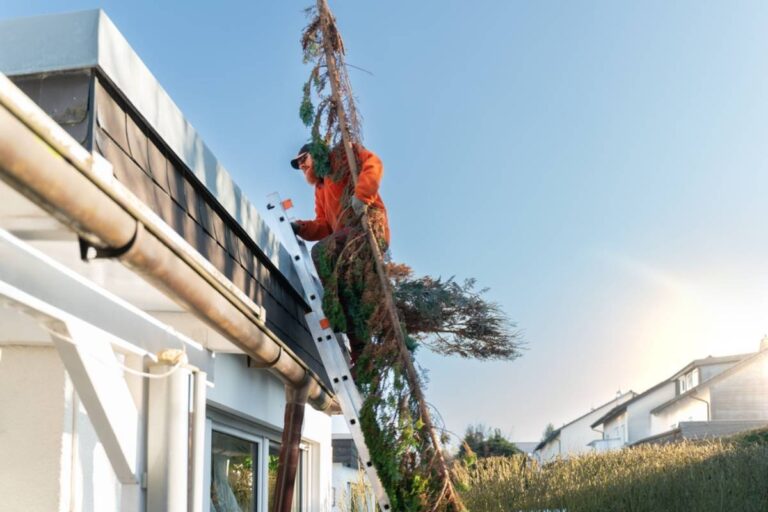
A person shared his story about a neighbor who operated a tree-trimming business from his home, and the trouble began with something as ordinary as fallen branches. Whenever the crew worked on the neighbor’s trees, large pieces of debris somehow ended up directly in front of the homeowner’s gate. One day, the pile was so large that the homeowner couldn’t even open the gate properly.
What made the situation more frustrating was what happened when the homeowner finally arrived home. The neighbor spotted him pulling up and immediately told one of his workers to move the branches. Instead of feeling relieved, the homeowner felt insulted, as though his need to enter his own property had somehow become an inconvenience.
A Gate Was Supposed to Be a Gate
The homeowner argued that the neighbor’s trees did not extend far enough over his property to explain why so much debris repeatedly landed in front of his entrance. From his perspective, there was a clear difference between branches naturally falling during tree work and workers deliberately placing them somewhere that blocked access. The argument between the two neighbors quickly became much bigger than the original pile of branches.
The neighbor apparently saw the situation differently, because his workers eventually cleared the entrance. To an outside observer, that might have looked like a simple misunderstanding that had been solved in a few minutes. To the homeowner, however, it felt like the latest incident in a pattern that had already made him uncomfortable.
Then the Story Took a Dark Turn
The situation became more concerning when the homeowner brought up an attempted break-in that had happened several months earlier. After that incident, he said he began noticing unusual activity around the neighboring property. Cars appeared to come and go at strange hours, and he claimed that lights sometimes went out whenever someone arrived.
The homeowner became convinced that something more serious was happening next door. He suspected illegal drug activity, although he did not have proof that anyone was actually manufacturing or selling drugs. That uncertainty became an important part of the story because suspicion and evidence were quickly becoming two very different things.
The Midnight Cars
According to the homeowner, the nighttime activity was difficult to ignore once he started paying attention. Vehicles would arrive, people would appear to come and go, and then the property would suddenly become quiet again. Every new vehicle seemed to give the homeowner another reason to wonder what exactly was happening behind the neighboring doors.
A response from a person suggested that the homeowner should concentrate on protecting his own property rather than confronting the neighbors. Security cameras and careful documentation were suggested as ways to establish what was actually happening. That advice appealed to the homeowner because it offered a way to gather information without immediately starting another confrontation.
The Online Business Trail
Instead of stopping at what he could see from his window, the homeowner began searching for information about the neighbor’s businesses. He claimed to find multiple online advertisements connected to the property. Some of those listings reportedly had poor reviews, which only made the homeowner more suspicious.
The deeper he looked, the messier the picture became. He believed the neighbor was operating several businesses from the home, while one tree-related company appeared to be connected to an elderly uncle who supposedly no longer worked. The homeowner couldn’t figure out why an active transportation-related registration still appeared connected to the same address.
Too Many Names, Too Many Listings
The confusing business records became almost a second mystery. The homeowner believed the neighbor was doing business under names that didn’t always match the information he found online. One listing appeared to point toward a tree service, while another seemed unrelated altogether.
A response from a person suggested checking whether the businesses were properly licensed and whether operating them from a residential property violated local rules. That gave the homeowner a more concrete direction than trying to determine what was happening during the late-night visits. Instead of accusing anyone of a crime, he could potentially ask the appropriate city department about zoning and business regulations.
The Cash Question
Another detail bothered the homeowner: he believed the tree workers were being paid in cash. He suspected the payments were being made under the table, although he acknowledged that he did not actually know how the workers were being paid.
That distinction mattered because suspicion alone could easily turn into an accusation that the homeowner couldn’t support. A response from a person essentially advised sticking to observable facts rather than building a case from assumptions. The homeowner was beginning to realize that every piece of information he collected could either clarify the situation or make him more convinced of something that might not be true.
The Security Camera Suggestion
Several responses from people returned to one simple recommendation: document everything. Cameras aimed at the homeowner’s own property could record blocked entrances, unusual activity, vehicles, and other incidents without requiring the homeowner to confront anyone. The idea was less dramatic than confronting the neighbor, but it had one major advantage.
Evidence doesn’t need to argue. If branches repeatedly appeared across the entrance, footage could show exactly when they were placed there and how they got there. If suspicious activity turned out to be completely innocent, the cameras could reveal that too, potentially bringing the homeowner some peace of mind.
The Grammar Argument Nobody Expected
Then the discussion took an unexpectedly ridiculous detour. One response from a person criticized the homeowner’s grammar and pointed out mistakes in the way he used certain words. The homeowner explained that English was not his first language and questioned why anyone cared about grammar when the real subject was his home and safety.
Suddenly, the conversation about blocked gates and suspicious neighbors had become an argument about spelling. The homeowner pushed back, saying that owning a home made him responsible for protecting his property and family. For a moment, the tree branches almost disappeared completely beneath an entirely different argument.
Homeowner Versus Homeowner
The homeowner repeatedly emphasized that he owned his property while claiming the neighbor rented his. He seemed to believe that distinction explained why he was taking the situation more seriously than some of the people responding to him. One response from a person pushed back, arguing that owning a home didn’t automatically make every suspicion about a neighbor justified.
That disagreement exposed the biggest problem with the entire situation. The homeowner felt that people were dismissing what he was seeing, while others felt he was turning ordinary neighbor disputes into something much larger. Somewhere between those two positions was the truth, but nobody online could see what was actually happening behind the fence.
Was the Neighbor Really Blocking Him on Purpose?
The most disputed detail remained the branches. The homeowner insisted that workers high in the tree were tossing branches toward the area near his gate and that he had footage supporting his claim. Other people interpreted the same situation differently, arguing that workers might simply have been dropping branches where they could safely move them later.
The neighbor’s reaction when the homeowner arrived became especially controversial. Instead of continuing to leave the entrance blocked, he told his workers to clear it immediately. Some saw that as evidence that the neighbor knew exactly what he had done, while others saw it as the completely normal reaction of someone realizing his work was blocking another person’s entrance.
The Safety Issue
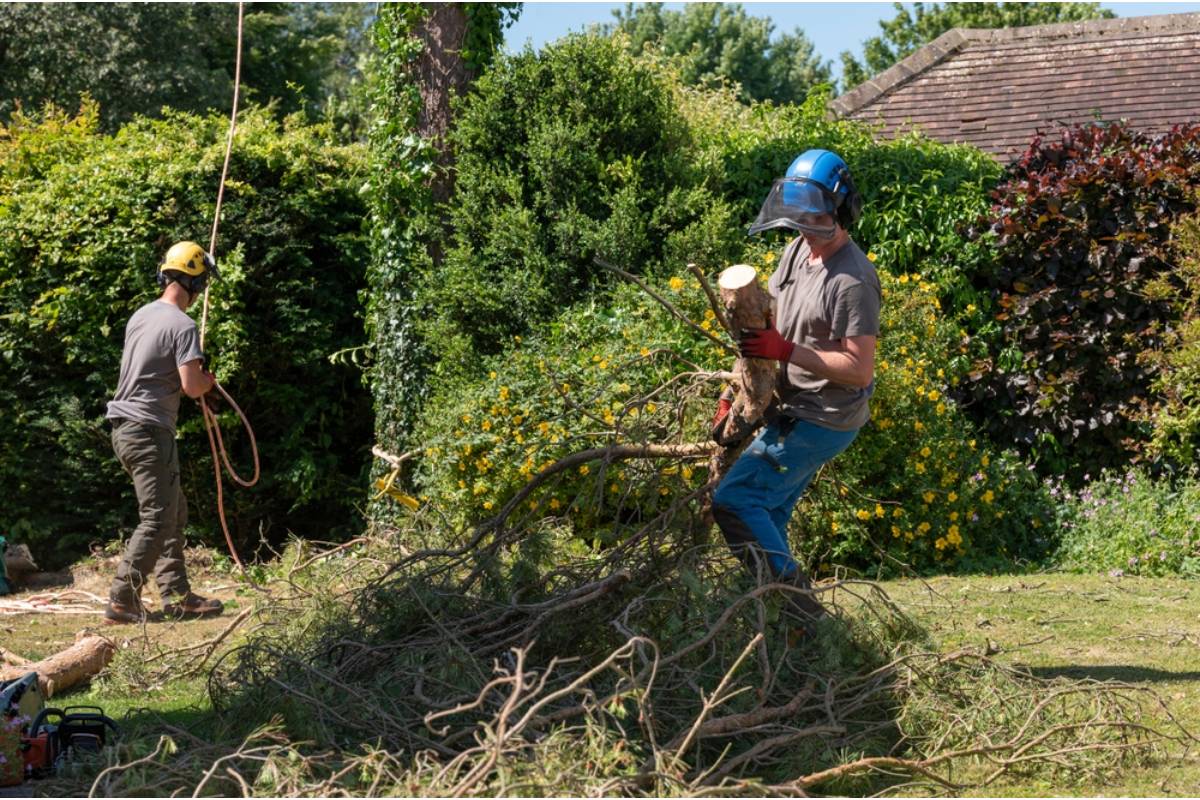
The homeowner also raised concerns about the workers’ equipment and the way the tree work was being performed. He believed the crew wasn’t following appropriate safety practices and pointed to the way branches were being handled as another warning sign. If those concerns were genuine, they were separate from the personal dispute over the gate.
A response from a person suggested reporting legitimate safety or code concerns through the proper channels rather than confronting the workers directly. That distinction could protect everyone involved because a city inspector or other appropriate authority could determine whether rules were actually being violated. The homeowner didn’t need to become an investigator, judge, and enforcer all at once.
The Fear of Retaliation
The homeowner’s biggest concern eventually became retaliation. If the people next door really were involved in illegal activity, he worried that reporting them could make the situation worse. Even if his suspicions were wrong, he feared that accusing someone of serious crimes could create an entirely new conflict.
That fear was one of the strongest reasons several responses from people recommended keeping a distance. Cameras, written records, photographs, and non-emergency reports could create a paper trail without requiring a face-to-face showdown. The homeowner had started the story angry about branches, but he was now realizing that the safest move might be the least dramatic one.
The Advice Became Surprisingly Simple
The more responses the homeowner received, the clearer one piece of advice became: stop trying to solve every mystery personally. If a gate is blocked, document it and report a property-access or code issue if appropriate. If there is genuine evidence of a crime, give that information to the proper authorities instead of confronting the people involved.
That approach also meant separating facts from conclusions. A blocked gate was a fact if it could be photographed, while a suspicion about drugs was something entirely different unless there was evidence to support it. Keeping those categories separate could prevent a neighborhood dispute from turning into something far more dangerous.
The Twist Was What Nobody Could Prove
By the end of the story, the homeowner had collected an unusual mixture of clues: tree debris, business listings, nighttime vehicles, an active registration, an attempted break-in, and concerns about the workers. Each detail seemed suspicious when viewed alongside the others. Yet none of them, by itself, proved the dramatic explanation the homeowner had begun to suspect.
That was the twist hiding underneath the entire neighborhood dispute. The homeowner thought he was uncovering one enormous secret next door, but what he actually needed was evidence strong enough to separate coincidence from wrongdoing. Until then, the safest story was not about exposing the neighbor—it was about protecting his own home, documenting what happened, and letting the appropriate authorities decide what the strange collection of clues actually meant.