Homeowner Built a Raised Vegetable Garden to Save Money on Groceries, Then a Neighbor’s Cat Turned It Into a Litter Box Until One Cheap Trick Finally Sent the Unwanted Visitor Packing
A person shared his story about starting a raised vegetable garden in his backyard, hoping to grow fresh food, eat healthier meals, and save money as grocery bills continued to climb. Gardening was supposed to be a relaxing hobby, something that would turn a little outdoor space into a productive patch of greenery. He even dreamed of adding flowerpots to the patio to make the entire area feel more welcoming. Unfortunately, a neighborhood cat had other plans for his new gardening adventure.
The Neighbor’s Cat Had Already Claimed the Best Spot
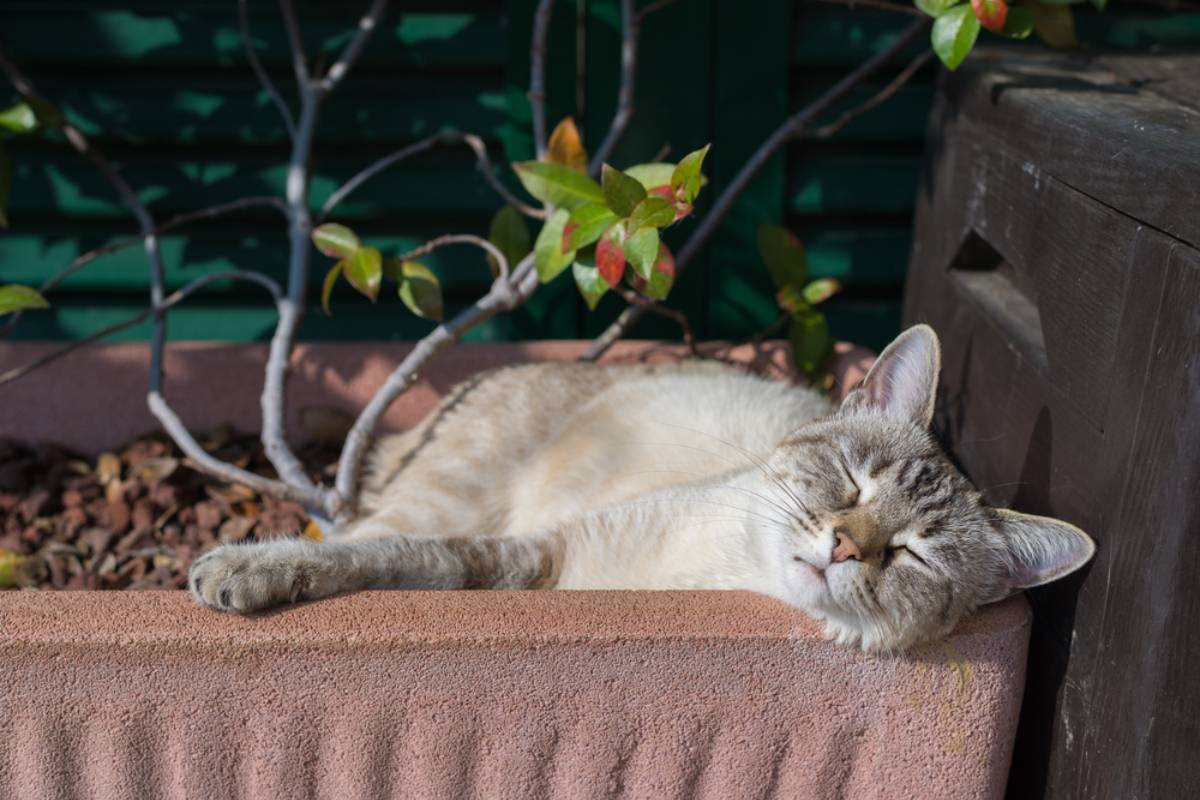
Before long, the raised beds became a regular stop for the unwanted feline visitor, which apparently considered the freshly prepared soil an ideal bathroom. Instead of watching vegetables flourish, the homeowner repeatedly discovered unpleasant surprises among his crops. The problem became especially frustrating because he had invested time and effort into creating a space where food could grow safely. What should have been a rewarding first gardening project was quickly becoming an expensive headache.
Winter Crops Paid the Price for One Persistent Visitor
The damage eventually went beyond the occasional unpleasant discovery in the soil, as the homeowner reported that his winter crops had largely failed. Every ruined plant represented lost effort, wasted growing time, and groceries he had hoped to produce himself. The situation was particularly discouraging because saving money had been one of the main reasons he started gardening in the first place. Now, instead of planning his next harvest, he was wondering whether the entire bed had become unusable.
The Biggest Worry Was Hiding Beneath the Surface
As frustrating as the damaged crops were, the condition of the soil created an even bigger concern. The homeowner worried that repeated contamination might mean removing and replacing the growing medium before planting anything else. That could quickly turn a budget-friendly vegetable garden into a costly renovation project, especially if he needed to purchase fresh soil and compost. He wanted to protect future harvests without spending hundreds of dollars fixing a problem he had not created.
A Simple Sprinkler Seemed Like the Perfect Solution
One response from a person suggested installing a motion-activated sprinkler that would release a quick burst of water whenever an animal approached the garden. The idea sounded promising because cats often dislike unexpected sprays, and the device could discourage unwanted visits without requiring anyone to stand guard outside. Another gardener explained that moving the sprinkler occasionally might prevent the animal from learning exactly where its detection range ended. For someone desperate to reclaim a vegetable patch, it seemed like a clever way to let technology do the chasing.
Unfortunately, Some Cats Turned Out to Be Surprisingly Clever
The sprinkler solution did not work perfectly for everyone, however, and one gardener described how neighborhood cats learned to approach from angles the device could not detect. Even after the equipment was installed, the determined visitors simply found alternative places to do their business. The frustrated gardener described the experience as though the cats were deliberately mocking the household. It was a reminder that even an expensive gadget could fail when an animal figured out how to work around it.
One Gardener Discovered That Covering the Soil Worked Better
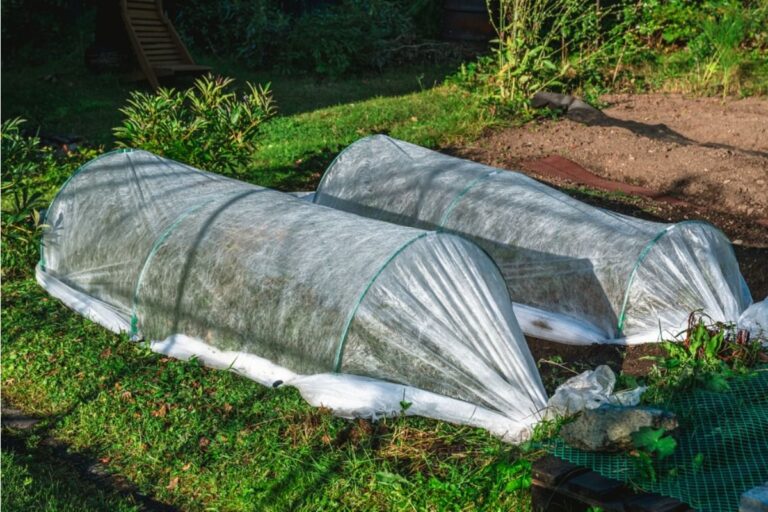
A different response offered a much simpler solution: DIY cloches made from curved PVC irrigation pipes, plastic clips, and netting stretched over the raised beds. The openings could be large enough to allow pollinators to reach the plants while making the exposed soil much less inviting to cats. Another gardener reported using plastic hoops and bird netting for the same purpose, with the added benefit of protecting ripening tomatoes from hungry birds. Instead of trying to outsmart a determined animal, these gardeners had changed the garden itself into a place that was harder to disturb.
The Cheapest Trick Might Already Be Lying in the Yard
Some gardeners did not even bother buying specialized equipment, choosing instead to spread ordinary branching sticks across the exposed soil. The irregular arrangement made it difficult for cats to find a comfortable place to dig, while the branches could be lifted whenever planting or weeding was necessary. One person explained that the sticks also became mulch as they gradually broke down. It was an appealing solution for anyone trying to protect a vegetable patch without adding another expense to the gardening budget.
Plastic Trellis Turned Out to Be a Serious Contender
One particularly enthusiastic gardener shared a technique that had worked better than several other deterrents tried around the property. Soft plastic trellis with roughly five-centimeter square openings was laid flat across the soil and secured with garden pegs. Cats could no longer dig comfortably through the mesh, while many plants could grow upward through the openings without difficulty. For larger seedlings, the gardener simply enlarged individual gaps around the stems, making the barrier practical as well as inexpensive.
Gardeners Found Other Ways to Make Digging Uncomfortable
Plastic spike mats designed to discourage cats also received praise from people who had used them around their planting beds. Others improvised with chicken wire laid across the surface, bamboo frames covered in netting, or even ordinary sticks arranged between plants. One gardener described using plastic forks and chopsticks to discourage cats from digging around delicate lettuce. The common idea behind these approaches was straightforward: cats looking for loose, uncovered soil might choose a more convenient spot when the garden stopped feeling comfortable under their paws.
The Soil Did Not Necessarily Need an Expensive Replacement
While physical barriers could protect future plantings, the immediate question was what to do about the existing contamination. One response recommended carefully removing visible droppings, disposing of them safely, and mixing fresh compost into the affected area rather than automatically replacing the entire raised bed. However, cat feces can carry pathogens, including parasites, so gardeners should avoid handling it with bare hands and should wash their hands thoroughly afterward. For beds growing food, particularly leafy vegetables and root crops, extra caution is sensible because compost alone does not reliably make contaminated soil safe.
Coffee Grounds and Other Repellents Had Mixed Results
Some gardeners experimented with coffee grounds, spreading them through the soil and along the routes where cats entered the yard. The grounds were attractive because they were inexpensive and could be reused instead of thrown away, although the scent needed refreshing after rain. Other people tried commercial repellents, only to discover that their neighborhood cats seemed completely unimpressed. These experiences showed why a barrier that physically prevents digging can be more dependable than relying entirely on smells an animal may eventually ignore.
One Neighbor Discovered That the Real Problem Was Bigger Than a Garden Bed
The discussion also revealed how quickly an ongoing garden nuisance could turn into a neighborhood dispute. One gardener described confronting nearby cat owners, only to be told that their animals never left their property. The gardener eventually caught one of the cats in a trap, which led to an angry confrontation after the owner accused the household of taking the animal. Although the cat was released, the incident reportedly changed the situation because the neighbor subsequently began keeping the cats indoors.
The Sprinkler Debate Became a Question of Fairness
Not everyone believed the burden should fall on the person growing vegetables. One response pointed out that motion-activated sprinklers cost money, while digging out soil and installing protective structures require additional time and labor. For someone who had started gardening specifically to reduce household expenses, paying to defend the garden against somebody else’s roaming pet felt particularly unfair. Others argued that the homeowner still needed a practical solution, regardless of whether local rules placed responsibility on the animal’s owner.
The Best Defense Was Often a Combination of Cheap Fixes
As more gardeners shared their experiences, a clear pattern emerged: no single deterrent worked equally well in every yard. Some people had success with sprinklers, while others preferred netting, plastic trellis, spike mats, or branches scattered across bare soil. Combining a physical barrier with careful cleanup offered a more practical approach than repeatedly purchasing products that might fail. For the homeowner who wanted to save money, starting with inexpensive materials and protecting the most vulnerable beds seemed like the sensible first move.
A Vegetable Garden Could Finally Become a Garden Again
The most encouraging part of the story was that the homeowner did not necessarily need to abandon his gardening plans or replace every bag of soil. By removing visible waste carefully, assessing the affected growing area, and covering exposed soil with a suitable barrier, he could begin rebuilding his vegetable patch without committing to a major expense. The unexpected lesson was that a few simple pieces of netting, trellis, or garden sticks could sometimes accomplish more than a costly gadget. After all, the goal was never to win an endless battle with the neighborhood cat; it was to grow healthy vegetables in peace, one protected planting bed at a time.