Homeowner Says a Neighbor Refused to Touch His Massive Tree as Its Roots Pulled a Room Away From the House, Then the Insurance Company Revealed What Could Happen Next
A person shared his story about a garden tree that had grown far beyond what anyone could have imagined when it was first planted. What looked like an impressive mature tree from the outside had become a serious problem for the house next door. The roots were blamed for causing subsidence, and one downstairs room was reportedly beginning to pull away from the rest of the property.
The homeowner had insurance, but the situation was becoming increasingly expensive in a way that had little to do with gardening. Insurance costs had already risen because of the ongoing problem, while the neighboring tree remained exactly where it was. Then the dispute took an unexpected turn when permission to enter the neighboring garden became just as important as the tree itself.
The Tree Was No Ordinary Garden Feature
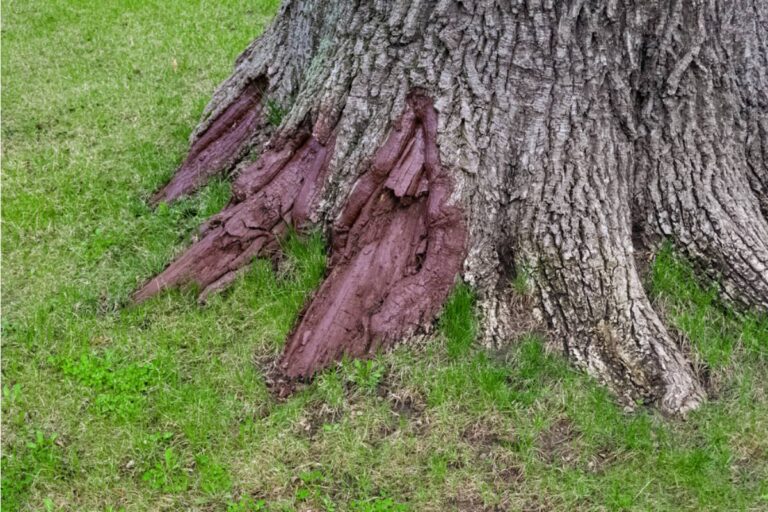
The massive tree stood extremely close to the affected house, making its roots the center of growing concern. A mature tree can look perfectly healthy above ground while its root system spreads through the soil in places no one can easily see. In this case, the roots were alleged to be contributing to movement beneath the house.
What made the situation especially worrying was the reported damage indoors. A downstairs room was said to be literally pulling away from the main structure, turning what might normally be a gardening headache into a frightening property problem. Suddenly, the tree was no longer simply part of someone’s garden landscape.
The Damage Was Getting Harder to Ignore
At first glance, a tree causing trouble might sound like something that could be solved with a chainsaw and a weekend of garden work. The reported damage suggested something much more complicated was happening underneath the surface. Structural movement meant the problem had already gone far beyond fallen leaves, cracked paving, or branches hanging over a fence.
The homeowner had insurance in place, but that did not make the situation disappear. Instead, the insurance issue added another layer of pressure because the property’s growing risk was affecting future premiums. Every season the tree remained, the stakes seemed to climb higher.
The Neighbor Would Not Cut the Tree Down
According to the story, the neighboring homeowner refused to remove the tree despite repeated pressure. That refusal became the biggest obstacle because the affected homeowner believed the roots were contributing to the structural damage. From their perspective, leaving the tree untouched was like leaving a slowly growing problem in the ground.
The situation became even more tense when the insurance company reportedly asked the neighbor to deal with the tree. The request did not persuade him to change his mind, however. Instead, the tree remained standing, seemingly untouched by all the arguments happening around it.
Then the Insurance Company Wanted Access
The next problem was not simply what was growing in the garden, but what needed to happen inside it. The insurance company wanted access to the neighboring garden so contractors could carry out underpinning work on the affected house. Without that access, the planned structural repairs could not move ahead.
The neighbor refused permission to enter his garden. That meant the homeowner was suddenly dealing with two separate barriers, one involving the tree and another involving access. The garden that once seemed like a private outdoor space had become the key to a major repair project.
The House Was Waiting While the Garden Stayed Locked
The insurer reportedly would not proceed while access remained blocked. According to the account, the attitude was essentially that something dramatic might have to happen before the situation moved forward. Nobody wanted to wait for part of the house to collapse, but the repair process appeared to be stuck.
That created an almost unbelievable stalemate. The damaged property needed attention, yet the work depended on entering someone else’s garden. Meanwhile, the enormous tree continued to stand quietly beside the house, looking almost peaceful despite the chaos surrounding it.
A Response From a Person Changed the Direction of the Story
A response from a person suggested that something about the access situation did not quite add up. They pointed toward the Access to Neighbouring Land Act 1992 and argued that there could be a legal route for obtaining access for necessary maintenance and repairs. The important detail was that this would involve proper legal procedures, not simply walking into the neighboring garden.
That distinction changed the picture considerably. What had seemed like an absolute refusal might not actually have meant the work could never happen. There was potentially a formal way to address the locked garden without anyone resorting to a dramatic confrontation at the fence.
The Homeowner Looked Up the Law
The person sharing the story said they had researched the legislation after seeing the suggestion. Their understanding was that the law did not simply allow someone to force their way into another person’s garden. That interpretation seemed to reinforce the idea that permission was still a significant issue.
But the response clarified what had actually been meant. The legal route was not about forcing open a gate and sending workers through, but about seeking the appropriate authority to obtain access. Suddenly, the dispute looked less like an impossible deadlock and more like a problem that might have a formal solution.
The Tree Was Still the Original Suspect
While the argument over access continued, attention kept returning to the giant tree itself. One person raised the possibility of root pruning, suggesting that removing the tree entirely might not be the only option worth investigating. That idea introduced an entirely different gardening question into the situation.
Root pruning, however, would not automatically settle responsibility or structural safety. The homeowner still needed to understand exactly what was causing the subsidence and what work would safely address it. The tree might have been the villain in the story, but proving its role was another chapter altogether.
Then Someone Asked the Simplest Question
Another response from a person cut straight through the complicated legal discussion with a surprisingly simple question: what came first, the house or the tree? It sounded almost too basic compared with everything else being discussed. Yet the timing of the tree and the construction of the house could matter when trying to understand how the situation developed.
A tree planted decades earlier can become vastly different from the small sapling originally placed in a garden. Its trunk expands, its canopy spreads, and its roots occupy more territory over time. What looked harmless when young can become a completely different landscape feature many years later.
The Insurance Company Was Not Backing Down
The biggest twist came when the homeowner explained just how seriously the insurer was treating the matter. According to the story, the insurance company had asked the neighbor to remove the tree and warned that he could become financially responsible for the resulting damage. That raised the pressure considerably.
The insurer was reportedly considering recovering the costs of rebuilding the house if the neighbor continued refusing to remove the tree while also preventing the underpinning work. Suddenly, the garden dispute was no longer about whose tree belonged where. It had become a high-stakes argument over potentially enormous repair costs.
The Quiet Garden Had Become the Most Important Place
From outside, the neighboring garden may have looked completely ordinary, with a giant established tree standing as its most obvious feature. Nobody looking through the fence would necessarily realize that the soil beneath it had become central to a property dispute. Yet every root under the ground now seemed to carry more weight than the branches above it.
The homeowner’s house, meanwhile, was waiting for repairs that could not easily happen without access. The tree continued growing as trees do, completely unaware of insurance companies, legal procedures, and structural engineers. The contrast made the entire situation feel strangely surreal.
One Tree Had Created Two Battles
There were really two conflicts unfolding at the same time. The first concerned whether the tree itself was causing or contributing to structural damage, while the second concerned whether contractors could enter the neighboring garden to carry out necessary work. Solving only one of those problems would not necessarily solve the other.
That was what made the story so complicated. Even if the tree were eventually removed, access could still need to be arranged for repairs. And even if access were legally obtained, questions about the tree’s roots and responsibility would still remain.
The Real Twist Was Beneath the Soil
The most surprising part of the story was that the tree’s greatest impact could not be seen from the garden at all. The real problem was reportedly beneath the ground, where expanding roots were suspected of contributing to movement around the house. The beautiful mature tree had effectively become connected to a structural problem nobody could simply trim with garden shears.
For the homeowner, the dream of having a normal garden and a secure house had turned into something much more complicated. A tree that might have once added shade and character had become the center of an escalating dispute. And the final answer might depend as much on what happened through legal channels as what happened with the roots.
The Garden Fence Suddenly Became a Legal Boundary
For years, the fence may have meant little more than a clear division between two gardens. Now it represented the boundary between a homeowner waiting for repairs and a neighbor who did not want contractors entering his property. Every part of the situation seemed to collide at that line.
The person sharing the story was essentially asking what could be done when one homeowner’s garden became necessary for another homeowner’s structural repairs. That is what made the case so unusual. The tree may have started the trouble, but the fence became the place where the entire dispute finally got stuck.
What Happens When a Tree Grows Into a Much Bigger Problem?
The story began with something many gardeners would recognize immediately: a huge tree growing close to a house. It ended with structural damage, rising insurance costs, disputed responsibility, blocked access, and the possibility of a legal battle. What looked like a garden maintenance issue had transformed into a problem involving the entire property.
The final twist is that the most important decision may not be whether the tree stays or goes. The bigger question is how the homeowners, insurers, and specialists can determine what is actually causing the damage and how the necessary work can legally be carried out. For now, one massive tree remains at the center of a dispute where the roots may have spread much farther than anyone expected.