Gardener Says Her Neighbor Started Warning Others About Her Compost Bin, Then Asked for Gardening Advice When His Plants Failed
The gardener had kept a compost bin in her backyard for years without issue. It was neatly contained, well maintained, and rarely noticeable from the fence line. Most neighbors never paid attention to it. That changed when a new neighbor moved in next door. Within a few weeks, he began watching her yard more closely than anyone else had before. At first, she assumed he was just curious about gardening.
The First Complaint Across the Fence
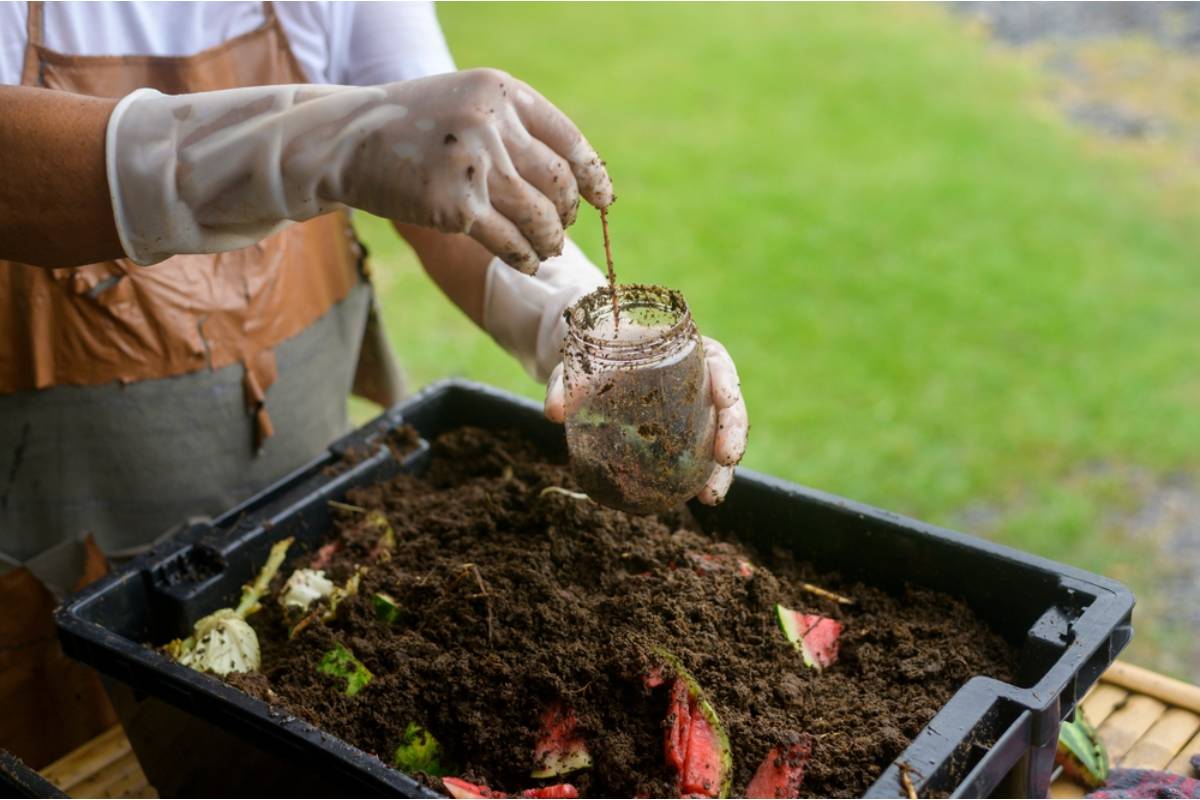
One afternoon, the neighbor called over the fence and mentioned a smell he thought was coming from her compost bin. She explained how it was managed and showed him the materials inside. He nodded but did not seem convinced. The conversation ended politely, but his tone had shifted. The gardener noticed him standing outside later, looking toward the bin again. It was the beginning of something uncomfortable.
A Conversation That Spread Faster Than Expected
A few days later, another neighbor mentioned hearing concerns about compost in the area. The gardener quickly realized the complaint had not stayed private. The original neighbor had been talking to others nearby. Some residents began asking questions about odors and pests. None of them had actually seen the bin up close. The situation was growing based on hearsay rather than experience.
The Garden Suddenly Under Scrutiny
People who had never shown interest in gardening before started paying attention. The gardener found herself explaining composting basics repeatedly. Some visitors seemed satisfied, others remained skeptical. The bin that had once been invisible was now a topic of neighborhood discussion. She felt like her backyard was being evaluated rather than simply shared. The shift was gradual but unmistakable.
The Neighbor Doubles Down on His Concerns
The original neighbor became more vocal over time. He began mentioning potential issues with rodents and soil contamination. He told others he was trying to “raise awareness.” The gardener tried to stay calm and factual in response. She even offered to show how the compost system worked in detail. He declined, saying he already understood enough. That answer frustrated her more than the complaint itself.
A Small Group Starts Taking Sides
Soon, a few neighbors began echoing his concerns. Others defended the gardener and her long-standing practices. Conversations at community gatherings started circling back to composting. It became a recurring topic that no one had planned. The gardener felt caught in the middle of a debate she never asked to join. Even simple backyard chats turned tense.
The Failed Plants Next Door
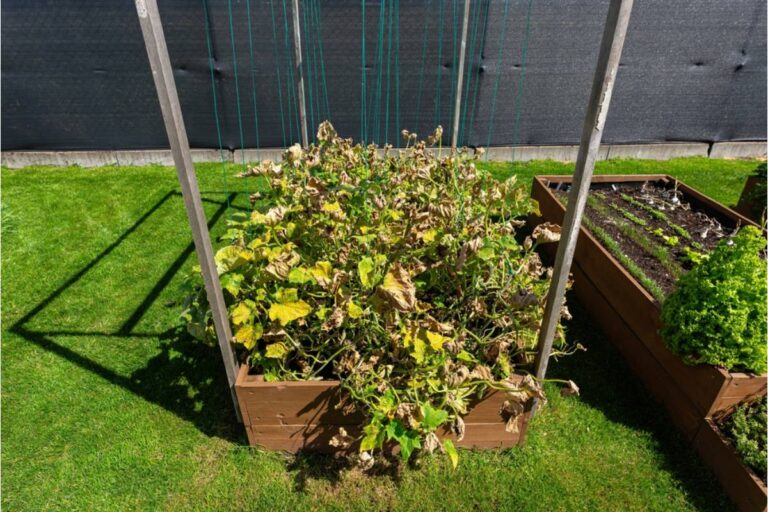
Midway through the season, the neighbor’s garden began struggling. His plants were yellowing and growing unevenly. He blamed soil conditions and asked others for advice. Some suggested fertilizers, others recommended adjustments to watering. The gardener quietly noticed the irony but said nothing. She had seen similar issues before and suspected the real cause.
A Sudden Request for Help
One afternoon, the same neighbor knocked on her door. He asked if she could take a look at his garden. It was the first time he had come directly to her for help. She agreed, curious about what she would find. As she inspected the soil and plants, the cause became clear quickly. The problem was not what he had been telling others.
The Compost Conversation Revisited
She gently explained what she observed and suggested possible adjustments. The neighbor listened more carefully than before. He asked several questions about compost usage and soil balance. For the first time, the conversation was not confrontational. He admitted he might have misunderstood how composting worked. It was a shift from accusation to curiosity.
A Quiet Change in Tone
After that visit, the neighbor’s attitude toward her changed noticeably. He stopped warning others about the compost bin. Instead, he began asking occasional questions about gardening practices. Some neighbors noticed the difference and mentioned it privately. The earlier tension had not disappeared completely, but it had softened. People were unsure how to interpret the change.
An Unexpected Follow Up
A week later, he returned again with a small notebook. He asked if she could explain her gardening routine in more detail. The gardener hesitated but eventually agreed. They spent nearly an hour going through soil, compost, and planting methods. It felt like a completely different relationship from the one they started with. The notebook filled quickly with notes.
The Neighborhood Remembers the Dispute
Even after things improved, some neighbors still referenced the earlier conflict. They joked about how quickly opinions had spread. Others pointed out how misunderstandings can escalate easily. The gardener remained cautious about drawing conclusions. She knew how fast small concerns could turn into neighborhood debates. The compost bin, once controversial, faded back into the background.
A Lesson That Stayed Behind the Fence
By the end of the season, the neighbor’s garden had recovered significantly. He credited better understanding rather than outside rumors. The gardener returned to her usual routine without attention or commentary. The compost bin remained in the same quiet corner of the yard. But the experience left a lasting impression on everyone involved. Sometimes the biggest problems begin with things no one actually checks firsthand.