A Balcony Gardener Watched Her Perfect Summer Garden Collapse Under Texas Heat, Then Realized the Plants Were Not the Only Things That Needed to Change
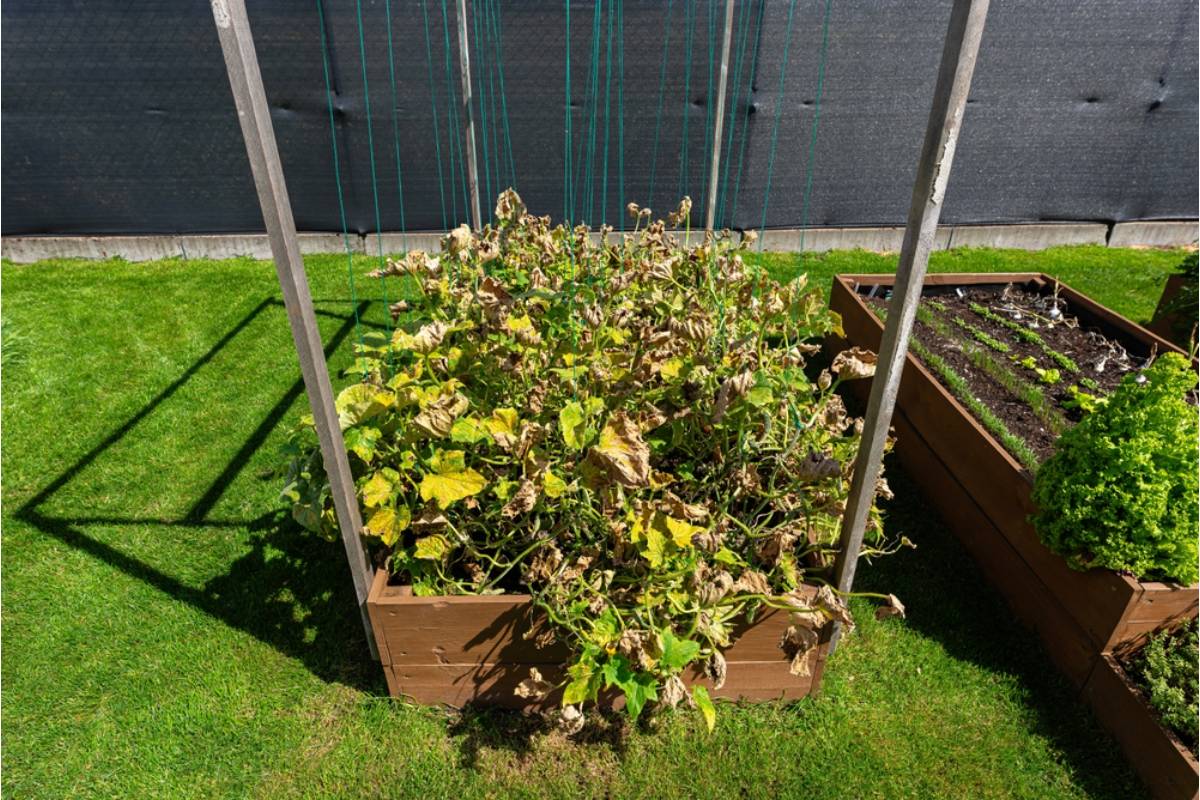
A person shared her story after returning to her balcony garden and barely recognizing the beautiful setup she had been so proud of earlier in the summer. The cucumbers had been attacked by aphids, while the tomatoes and strawberries were suddenly overwhelmed by spider mites. What had looked like a thriving little garden only weeks earlier now looked like summer had declared war.
She had been watering carefully and using neem oil, yet nothing seemed to stop the collapse. Eventually, she had to cut several plants down almost completely, leaving her wondering whether anything would recover. The worst part was not losing the vegetables but wondering whether she should ever try growing them again.
The Perfect Garden Did Not Stay Perfect
At the beginning of summer, everything had seemed to be going exactly right. The balcony was filled with healthy plants, and the gardener could finally imagine harvesting a ridiculous amount of vegetables and fruit. It was the kind of garden that makes a person start planning next year’s garden before the current one has even finished growing.
Then the heat arrived, and the entire situation changed almost overnight. Instead of admiring new growth, she was inspecting leaves for tiny insects and wondering why previously healthy plants suddenly looked exhausted. The transformation was so fast that it felt less like gardening and more like watching a carefully built project disappear.
Texas Heat Played by Different Rules
A response from a person pointed out that gardening in Texas requires a completely different approach from the gardening advice people often see elsewhere. A cool-climate growing schedule cannot simply be copied into a place where summer temperatures can become brutal. What works beautifully in another region can become a recipe for stressed plants.
The suggestion was surprisingly reassuring: perhaps the problem was not that the gardener was bad at growing vegetables. Perhaps the garden simply needed to follow the rhythm of its climate. Spring could be the main growing season, midsummer could become a pause, and fall could offer another opportunity.
Summer Was Not Supposed to Look Like Spring
The idea of taking a break during the hottest part of summer completely changed the way the gardener looked at the situation. Instead of expecting every plant to remain productive through extreme heat, she could treat the hottest months as a natural slowdown. Some plants might survive, while others could simply be allowed to finish.
That was a major mental shift because gardeners are often encouraged to keep everything growing continuously. But a balcony exposed to intense heat is its own little ecosystem. Containers can heat up quickly, plants have limited root space, and stressed vegetation becomes an easy target for pests.
The Aphids Arrived First
The cucumbers were among the first plants to suffer. Aphids appeared and began turning what had been a promising crop into another problem demanding immediate attention. The gardener had already been watering and trying to care for the plants, so discovering pests made the situation feel especially unfair.
A response from another person revealed that she was experiencing almost exactly the same thing. She had initially assumed the sun was burning her plants, only to discover that aphids and spider mites were responsible for much of the damage. Suddenly, the balcony gardener’s experience no longer felt like some bizarre personal failure.
Then the Spider Mites Took Over
The tomatoes and strawberries were hit by spider mites, and the timing made the problem even more frightening. Plants that had looked healthy seemed to deteriorate with astonishing speed. The gardener could practically watch the damage accumulating while wondering how she had missed the warning signs.
Another response from a person described dealing with similar problems during a brutally hot summer. Even experienced gardeners had plants collapsing under heat waves, pests, and unpredictable conditions. That realization offered a little comfort: sometimes the garden can be doing everything reasonably well and still lose the fight.
The Ladybugs Were Trying to Help
There was one small sign of hope when the gardener noticed ladybugs appearing around the plants. Instead of seeing them as another insect invasion, she was actually happy to have them there. They were a reminder that the balcony still had a tiny ecosystem working in the background.
A response from a person mentioned beneficial insects as another tool gardeners sometimes use against specific pests. The gardener appreciated the suggestion but admitted that the damage had already become severe. The ladybugs had arrived, but unfortunately, they seemed to have entered the battlefield after the battle was already well underway.
Even Experienced Gardeners Were Struggling
The conversation became more reassuring when another person from Virginia described an equally brutal summer. Plants were wilting despite being watered, flowers had been lost, strawberries had stopped producing fruit, and even a family member with years of gardening experience watched important plants die.
Her mother had successfully grown plants for years, yet her cucumbers completely failed during the difficult weather. A Japanese maple that had been professionally planted also died later. Suddenly, the balcony gardener’s disaster looked less like evidence of incompetence and more like one particularly punishing growing season.
The Balcony Created Its Own Problems
Another person described how difficult pest control can become when gardening on a balcony. Getting plants into a shower to rinse them was sometimes easier than trying to reach every leaf outside, and insecticidal soap had become more useful than neem oil for reducing pest populations.
But complete eradication was another story. Root-bound plants, fungus gnats, transplanting problems, and the constant arrival of new pests turned the balcony into a miniature ecosystem that refused to cooperate. The gardener realized that growing in containers did not necessarily make gardening easier—it simply created a different collection of problems.
Shade Suddenly Became Valuable
One response suggested artificial shade as a way to help plants survive extreme temperatures. Shade cloth could reduce the amount of direct heat hitting the plants, giving stressed vegetables a chance to recover. It was a practical reminder that sometimes plants do not need more water or fertilizer—they need less punishment from the weather.
The idea also made the gardener rethink her balcony. The plants had been treated as though they were growing in a normal garden bed, but containers on an exposed balcony can experience intense heat from every direction. What looked like ordinary summer sunlight could become an entirely different challenge for plants trapped in small pots.
Cutting Everything Down Felt Like Defeat
Eventually, the gardener had to cut many of the damaged plants down almost to nothing. Every snip felt like admitting that months of work had failed. She had started the season with excitement and ended up standing among stems, empty containers, and plants she was no longer sure could recover.
Yet removing badly damaged growth also created something unexpected: space. The balcony no longer felt crowded with sick plants demanding attention. It was still disappointing, but the chaos had finally become manageable.
The Fear of Growing Again
The biggest problem was no longer the pests themselves. It was the fear that trying again would simply produce another disaster. After watching healthy plants collapse so quickly, the gardener began wondering whether growing vegetables was worth the emotional investment.
A response from a person offered a different way to think about the next season. Instead of trying to grow everything during the hottest months, she could choose plants that tolerate heat better or plan around the local growing calendar. The goal did not have to be recreating the perfect spring garden in the middle of summer.
The Garden Needed a New Schedule
The most important lesson was that the garden might not have failed at all. It may have simply been planted according to expectations that did not match the local climate. A spring garden could thrive, summer could become a survival period, and another growing season could begin when temperatures finally became more reasonable.
That realization turned the disaster into information. Next year, the gardener could start with crops suited to the season, provide shade before the heat became overwhelming, and watch for pests earlier. The ruined balcony had quietly become a gardening manual written in leaves, mites, and mistakes.
The Summer Was Not the End
By the end of the discussion, the gardener still had plenty of reasons to be frustrated. The cucumbers had suffered, the tomatoes and strawberries had been overwhelmed, and several plants might never recover. But the idea of never growing vegetables again no longer seemed quite as convincing.
The unexpected twist was that summer had not destroyed her ability to garden—it had destroyed her assumption that every season should be treated the same. The next garden would be smaller, smarter, and built around the climate instead of fighting it. And when the first cool days arrived, there was a good chance she would be back on that balcony planting again.