Homeowner Says a Neighbor Wants a Giant Old Tree Removed Because of Its Messy Leaves and Troublesome Roots, Then a Closer Look Raises Questions About Whether the Beloved Shade Tree Needs to Go at All
A massive old tree can make a garden feel like a peaceful retreat, offering generous shade, shelter for wildlife, and a leafy canopy that makes summer afternoons bearable. But when its branches start dropping leaves everywhere and its roots creep toward nearby hardscaping, that same tree can suddenly become the star of a neighborhood dispute. One homeowner found themselves caught in exactly this kind of dilemma when a neighbor wanted a giant old tree removed. What seemed like a straightforward landscaping decision soon raised a much bigger question: was the tree actually dangerous, or had its ordinary inconveniences become too much to tolerate?
For anyone who loves gardening, mature trees are more than oversized decorations. They take years, sometimes decades, to develop the kind of canopy that makes a yard feel established and welcoming. Removing one can change the entire appearance of a property, not to mention its shade, temperature, and local wildlife habitat. That is why the homeowner’s situation deserved a closer look before anyone reached for a chainsaw.
The Tree That Had Been Standing There for Years
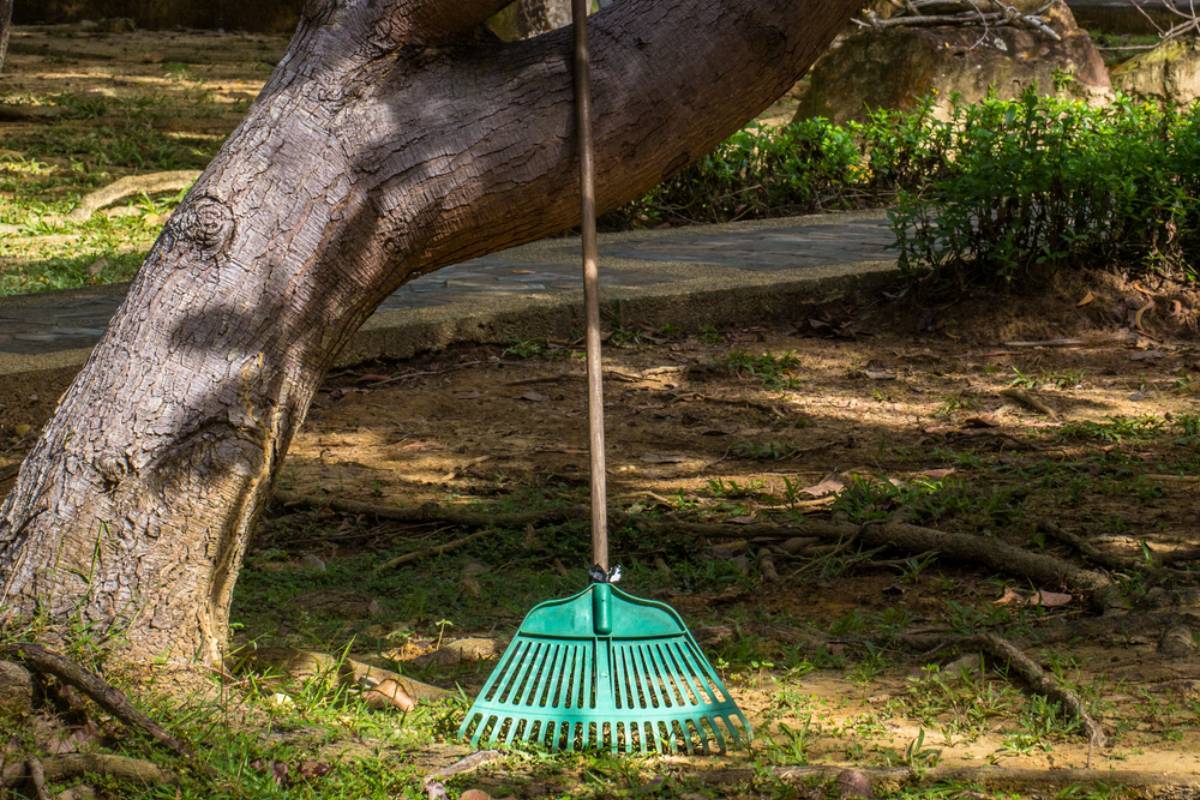
The tree in question was no tiny ornamental sapling that could be replaced with a quick trip to a garden center. It was a giant, established tree growing between neighboring homes, providing a substantial amount of shade to the surrounding area. Its size was part of its appeal, but it also meant that its roots and branches had plenty of room to affect the nearby landscape. Once the possibility of removing it entered the conversation, the decision became much more complicated than simply choosing a new tree for the garden.
Mature trees often become part of a property’s identity without homeowners even realizing it. Their shade can make patios more comfortable, protect plants from harsh afternoon sunlight, and provide nesting spots for birds. A young replacement might eventually offer similar benefits, but it would need years of growth to develop an equally impressive canopy. For the neighbors involved, the question was whether the problems associated with the existing tree justified giving up all those benefits.
The Neighbor’s Biggest Fear Is What Might Happen to the Building
The neighbor’s concern was not simply about fallen leaves or an inconvenient patch of shade. They were worried that the enormous tree sitting along the property line could endanger a building on their property. That is a serious concern when a tree grows close to structures, especially if there are questions about its roots, stability, or major limbs. The challenge was figuring out whether the concern reflected a genuine safety risk or a fear that needed a more thorough professional assessment.
The homeowner did not dismiss the neighbor’s worries or turn the situation into an argument over who loved the tree more. Instead, they wanted someone qualified to examine it and explain what was actually happening. That approach offered a chance to protect both the relationship between the neighbors and the tree itself. After all, nobody wants a disagreement over a garden landmark to become a years-long feud across the fence.
Why the Tree Did Not Look Ready for the Chopping Block
From the homeowner’s perspective, the giant tree did not appear to be dying. Its impressive size and overall appearance made immediate removal seem premature, particularly when no clear evidence of severe decline had been established in the account. However, a tree can look healthy from the ground while still having structural weaknesses that require attention. Appearance alone cannot settle a question involving the safety of a mature tree near a building.
This is where tree care becomes more complicated than ordinary garden maintenance. A few yellow leaves or a broken twig are not necessarily signs of disaster, and a leafy canopy does not automatically guarantee that a tree is safe. Professionals need to consider factors such as the trunk, root system, branch structure, and surrounding site conditions. The homeowner’s desire for a proper assessment was therefore about more than saving a beautiful tree; it was about making a decision based on evidence.
The First Inspection Left the Homeowner With More Questions
The homeowner had already sought an opinion from someone described as ISA certified, but the wording raised an important question about professional qualifications. They were unsure whether being associated with the International Society of Arboriculture was the same as holding an actual arborist certification. That distinction mattered because the tree was not a minor landscaping project that could be evaluated casually. With a building potentially at risk, the homeowner wanted confidence that the person assessing the tree had the right expertise.
A response from a person explained that membership in a professional organization is not necessarily the same as earning one of its certifications. The advice was to look for a properly credentialed arborist and consider someone with a Tree Risk Assessment Qualification, commonly called TRAQ. That recommendation gave the homeowner a more specific direction than simply asking another tree company to stop by. It also highlighted an important lesson for gardeners: always establish exactly what qualifications a professional holds before relying on their assessment.
What Makes a Tree Risk Assessment Different?
A proper tree risk assessment is not just someone glancing at a trunk, looking at the leaves, and declaring the tree fine or doomed. An arborist considers the tree’s condition alongside the likelihood of failure and the potential consequences if a branch or the entire tree falls. The nearby building makes the surroundings especially important because the possible impact of a failure matters as much as the tree’s appearance. The aim is to understand the actual risk rather than make a decision based on size alone.
Depending on the situation, an assessment may involve inspecting the trunk, checking major branches, examining visible roots, and looking for signs of decay or structural damage. The arborist may also consider the tree’s growing conditions and whether there is evidence of movement or changes in its condition. More specialized testing may be appropriate if the initial inspection identifies concerns that cannot be resolved visually. Not every tree requires an elaborate investigation, but the assessment should be proportionate to the risks involved.
The Advice That Could Save a Mature Tree
One response from a person recommended finding an arborist with TRAQ credentials rather than relying on someone whose qualifications were unclear. This was especially relevant because the homeowner wanted an independent evaluation, not simply another estimate for cutting the tree down. A professional who specializes in assessing tree risk can help identify whether the concerns justify action and explain the available options. That information could make the difference between unnecessary removal and a carefully managed solution.
The homeowner’s situation illustrates why getting a second opinion can be valuable when the first recommendation involves removing a major tree. Different professionals may have different areas of expertise, and a company that primarily performs removals may approach the question differently from someone hired specifically to assess risk. That does not mean a removal recommendation is automatically wrong or that every tree can be saved. It means the reasoning behind such a significant decision deserves scrutiny.
A Quick Look Is Not the Same as a Detailed Report
Another response from a person offered a useful explanation of how the depth of an inspection can depend on the service requested. A brief visit may provide an initial opinion, while a paid assessment can include a more detailed explanation and written findings. The response also noted that a more comprehensive investigation can require substantially more work and expense. For a homeowner trying to make an informed decision, understanding these differences can prevent confusion about what an inspection actually covers.
A written report can be particularly useful when two neighbors need to agree on what should happen next. Rather than relying on conflicting recollections of a conversation, both parties can review the findings and understand the professional’s reasoning. The report may identify concerns, describe limitations, and recommend practical next steps. It cannot guarantee that a tree will never fail, but it can provide a more defensible basis for deciding whether to retain, manage, or remove it.
When an Arborist Might Need to Do More Than Look Up
Some tree problems are not obvious from a quick walk around the trunk. If an arborist suspects internal decay, significant root damage, or other hidden structural issues, additional investigation may be appropriate. Depending on the tree and the concerns identified, that could involve closer examination of the canopy, specialized tools, or consultation with other experts. Such steps are not automatically necessary for every mature tree, but they can help resolve difficult cases.
The important point is that more testing should answer a specific question rather than become an expensive exercise without a clear purpose. A professional should be able to explain what additional investigation is intended to reveal and how the results could affect the recommendation. The homeowner can then weigh the likely benefits against the cost. That is a far better starting point than assuming that a giant tree must either be perfectly safe or immediately removed.
The Price of Keeping the Tree Could Be More Than Expected
Saving a mature tree is not always as simple as telling everyone to leave it alone. If an assessment identifies a structural problem, the tree may require pruning, monitoring, or other professional care, depending on what is appropriate. Some issues can be managed, while others may leave removal as the most responsible option. The right choice depends on the actual findings, not just how much sentimental or landscaping value the tree provides.
The cost of the assessment also deserves consideration. A brief consultation and a comprehensive investigation are different services, and the homeowner should know what is included before agreeing to either one. If the tree is near a building, spending money to understand the risk may be worthwhile even if the final recommendation is removal. The real goal is to avoid making an expensive decision without enough information.
Could Pruning Be an Alternative to Removing the Tree?
Removal is not the only possible outcome of a tree assessment. Depending on the species, condition, structure, and specific hazards, a qualified arborist might recommend selective pruning or another management approach. Such measures can sometimes address particular concerns while preserving much of the tree’s canopy. However, pruning cannot solve every structural problem, and aggressive cutting may damage a tree rather than make it safer.
That is why the homeowner wanted the options put on the table before making a final decision. If the tree could remain safely with appropriate management, the neighbors might avoid losing an established landscape feature unnecessarily. If the assessment revealed an unacceptable risk that could not be managed adequately, removal might be justified. Either way, a professional evaluation could replace guesswork with a clearer plan.
The Hidden Cost of Losing an Old Tree
A mature tree contributes far more to a garden than its trunk and branches suggest. Its canopy can cool outdoor spaces, soften the appearance of buildings, and create a sheltered environment for birds and other wildlife. Its presence can also influence which plants thrive beneath it, shaping the garden’s layout over many years. Removing it can therefore change the entire character of the property.
Replacing a giant tree with a young specimen may eventually restore some of those benefits, but the transformation will not happen overnight. The new tree will need suitable growing conditions, adequate space, and years of care to develop a substantial canopy. Gardeners should also choose replacement species carefully, considering mature size, root characteristics, and proximity to structures. Still, these benefits cannot override a genuine safety concern, which is why the condition of the existing tree must come first.
Two Neighbors Are Trying to Solve the Problem Without a Fight
One encouraging detail in the homeowner’s account was that the conversation with the neighbor had not become openly hostile. They understood why the neighbor was worried about the nearby building, even though they did not want to lose the tree. That willingness to discuss the problem created room for a solution based on professional advice rather than competing opinions. In neighborhood landscaping disputes, that kind of cooperation can be just as valuable as the final assessment.
The next step was to establish what the tree actually needed and what choices were available. A qualified independent assessment could give both sides a shared set of facts to work from. It could also help clarify whether the concern involved a specific defect, a manageable maintenance issue, or a more serious hazard. With a mature tree standing between two properties, cooperation offers a much better starting point than an argument over who gets the final word.
The Biggest Twist Is That Nobody Has to Decide Yet
At first glance, the situation might seem to demand an immediate choice between protecting the neighbor’s building and preserving a beautiful old tree. But the homeowner’s request for a proper assessment revealed a third possibility: pause the debate long enough to establish the facts. Until a qualified professional has examined the tree and explained the risks, neither appearance nor anxiety alone can settle the question. Sometimes the most important step in a gardening dispute is resisting the urge to make an irreversible decision too quickly.
That does not mean the tree is guaranteed to stay. It means the decision should follow a careful assessment of its condition, the potential consequences of failure, and the options available for managing any identified risks. If removal proves necessary, the neighbors can move forward with a clearer understanding of why. If the tree can safely remain, they may preserve a valuable piece of their shared landscape without compromising the building next door.
What Gardeners Can Learn From This Tree Dispute
The story offers a useful reminder that large trees deserve thoughtful care, particularly when they grow near homes, sheds, driveways, or property boundaries. Before agreeing to remove one, gardeners can ask about the professional’s qualifications, request an explanation of the concerns, and find out whether a formal risk assessment is appropriate. They should also remember that a tree’s impressive canopy does not prove it is safe, just as its large size does not automatically make it dangerous. Good decisions come from evaluating the specific tree and its surroundings.
Most importantly, the homeowner’s approach shows how patience can help when landscaping decisions affect more than one household. An independent assessment may not provide the answer everyone hopes for, but it can help neighbors understand the trade-offs and make a more informed choice. Mature trees take years to grow, and removing one is often impossible to reverse. Before the chainsaws arrive, getting the right expert opinion may be the smartest investment either neighbor makes.