Homeowner Says a Neighbor’s Family Came to “Spruce Up” a Property, Then Cut Down the Grape Vine Covering Her Fence for Years
A person shared his story about a longtime boundary dispute that seemed fairly ordinary until one gardening disaster changed everything. The house next door had once been separated by two fences because the neighbor was extremely concerned about privacy and keeping the property lines clear. The homeowner’s waist-high chain-link fence was hardly glamorous, but it had one spectacular feature that made up for it.
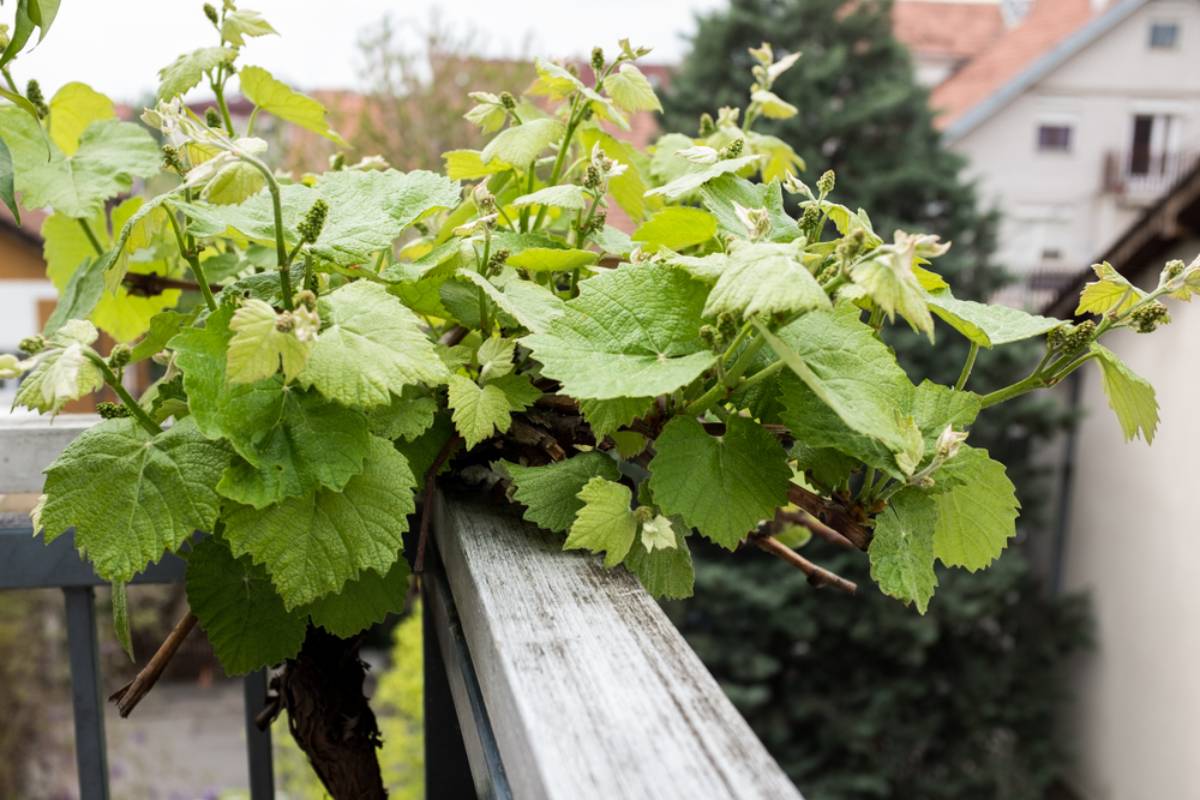
A mature grape vine had completely woven itself through the fence and turned the plain barrier into a living green wall. Every summer, the vine produced clusters of grapes that made the backyard feel more like a tiny vineyard than an ordinary residential garden. It had become one of those garden features that quietly becomes part of a homeowner’s life without anyone realizing how much they would miss it.
The Neighbor’s Fence Finally Came Down
Over time, the neighbor’s own fence began falling apart, and eventually it broke badly enough that it was torn down. That left the homeowner’s chain-link fence as the only barrier between the two properties. Ironically, the old fence that had once been a source of privacy concerns was now standing alone with the grape vine wrapped around it.
For the homeowner, the change was not exactly a problem because the vine had become even more noticeable. Instead of looking like an ordinary fence, the border was covered in cascading leaves and grape clusters. It was a messy, beautiful garden feature that seemed to improve with every growing season.
Then the Neighbor Passed Away
Things became complicated when the woman living next door passed away. Her children began dealing with the property and apparently wanted to clean things up before deciding what would happen to the house. From a distance, that probably sounded harmless enough because properties being prepared for sale often need some trimming, clearing, and general maintenance.
The problem was that the cleanup did not stay neatly on their side of the property. The homeowner later discovered that someone had reached across the boundary and removed a huge amount of vegetation. What happened to the grape vine was far more dramatic than an ordinary bit of pruning.
One Evening, the Garden Suddenly Looked Wrong
The homeowner came outside one evening to take the dog out and relax for a while. At first, something simply felt strange about the yard, as though a familiar piece of the landscape had disappeared. Then the homeowner realized the entire grape vine running along the fence was gone.
It was not a small trim job or an overenthusiastic haircut. The vine had been cut down along virtually the entire length of the yard, taking every visible bundle of grapes with it. Years of growth had vanished so quickly that the fence looked almost unrecognizable without its leafy cover.
The Grapes Were Gone Too
The damage was especially painful because this was not just an ornamental vine. It had been producing grapes every summer, turning the fence into a useful part of the garden as well as a beautiful one. Losing the foliage was upsetting, but losing the current harvest made the destruction even harder to swallow.
The homeowner also noticed that the cut vegetation had been left on the driveway of the neighboring house. That detail made the scene look less like an accidental gardening mistake and more like a cleanup operation that had simply crossed the line. The pile of vines sitting nearby was almost like evidence waiting to be photographed.
The Fence Was Suddenly Naked
Without the grape vine, the chain-link fence looked completely different. What had once been covered in green leaves and fruit was now an exposed stretch of bare metal. The homeowner described the fence as ugly and naked, a surprisingly emotional reaction to what might seem like a simple landscaping change.
That reaction makes sense to anyone who has ever spent years growing something. A mature vine is not like a decoration that can be replaced with a quick trip to a garden center. It represents seasons of growth, pruning, harvesting, and waiting for the plant to become what it was meant to be.
A Person Said the First Step Was Documentation
As the story spread, a response from a person suggested starting with the most practical step possible by creating an official record of the damage. Photos of the bare fence, the removed vegetation, and anything left behind could help establish what happened before the scene changed again. The advice was simple, but it highlighted how quickly a gardening dispute can become a property dispute.
Other responses emphasized documenting everything rather than relying on memory later. The homeowner was encouraged to preserve photographs showing what the vine looked like before and after the incident, along with any other evidence about where the growth had been. In a situation involving a boundary, even the smallest detail can suddenly become important.
Some People Pointed Out How Long the Vine Took to Grow
A response from a person focused on something the homeowner was already feeling deeply: replacing the vine would not instantly restore the garden. Even a healthy replacement plant would need time to establish itself, climb the fence, and produce a substantial crop. A bare fence could be repaired in a day, but a mature grape display could take years to recreate.
Several people also pointed out that the lost harvest mattered. The homeowner had not merely lost leaves and stems but the fruit that would have been produced by an established plant. The garden had effectively lost both its present appearance and part of its future productivity.
The Suggested Replacement Came With a Catch
There was plenty of advice about planting new grape vines, but even the optimistic suggestions came with a warning. Young vines need time before they become reliable producers, and there is no guarantee that every new plant will immediately perform like the old one. Replacing one mature vine could therefore mean years of patience before the fence looked anything like it once had.
That made the situation feel especially unfair because the people doing the cleanup had solved their landscaping problem in an afternoon. The homeowner, meanwhile, would potentially be spending seasons rebuilding what had taken years to develop. In gardening, one person’s quick fix can become another person’s long-term project.
Other Gardeners Had Their Own Horror Stories
A person shared another story about workers cleaning up a neighboring rental property and accidentally destroying raspberry bushes planted along the homeowner’s side. The plants were approaching the stage when they would finally produce a worthwhile harvest, making the timing especially frustrating. The homeowner eventually recovered money for replacement plants, expected fruit production, pots, and other losses.
Another response described an entirely different garden being repeatedly damaged by aggressive weed trimming. The gardener had spent years establishing catmint and clover, only to watch someone else repeatedly cut everything down because they decided it looked like weeds. That story showed how quickly a garden can become the target when someone else decides they know what belongs there.
One Garden Was Cut Down Because It “Looked Like Weeds”
The most absurd part of one response involved a person who had reportedly spent six years developing a back garden exactly the way they wanted it. A neighbor eventually destroyed the plants because they believed the garden belonged to them and apparently assumed the plantings were weeds. The gardener even had to deal with the fact that carefully purchased plants were being treated like unwanted vegetation.
There was even an unexpected defender of the garden in the form of mint, which kept coming back despite repeated attempts to remove it. That little detail added a humorous note to stories that were otherwise incredibly frustrating. Some garden plants simply refuse to lose a fight, even when everything else gets chopped down around them.
The Homeowner Decided It Was Time to Draw a Line
After discovering the damage, the homeowner ordered private-property and no-trespassing signs and put them up. The message was no longer subtle because the homeowner wanted the boundary clearly marked before another cleanup operation happened. The garden may have been quiet, but the property dispute was becoming much louder.
Soon after, the neighbor’s son came to the homeowner’s door and argued about whether the cutting had actually crossed onto private property. The homeowner disagreed and decided not to leave the matter as a verbal argument that could later become one person’s word against another’s. Instead, the situation was formally reported, along with the photographs taken after the vine was destroyed.
Suddenly, Those Grapes Were More Than Just Grapes
The deeper twist in the story was that the damaged grape vine had value beyond its appearance. It had become an established food-producing plant, and rebuilding that part of the garden could take multiple growing seasons. What looked like a simple cleanup job had potentially erased years of future harvests in addition to the greenery already lost.
That is what makes mature edible landscaping so different from ordinary yard decorations. A tree, vine, berry patch, or productive garden bed can represent years of investment that cannot simply be purchased back in the same condition. Once something mature is destroyed, money may replace supplies, but it cannot immediately replace time.
The Fence May Be Easy to Replace, but the Garden Is Not
A new fence section could eventually make the boundary look tidy again, but the homeowner still would not have the original garden. The cascading leaves, familiar grape clusters, and thick curtain of greenery had all become part of the property’s character. Replanting would mean watching tiny shoots slowly work their way toward the same height and coverage.
For a gardener, that waiting period can be the hardest part. You can buy a new vine, prepare the soil, build supports, and water faithfully, but there is no button that skips ahead three or four growing seasons. The garden would have to start over from scratch because someone else decided it was time to clean up.
What Happened Next Turned a Gardening Dispute Into a Property Fight
After speaking directly with the neighbor’s son, the homeowner made it clear that further interference would not be tolerated. The police report created an official record of the incident and preserved the evidence showing what the grape vine had looked like after the cutting. Whatever happened next would no longer be happening in the vague territory of neighborly disagreement.
The homeowner was also considering what could be done about the lost plants and future production. Responses from people suggested documenting the value of replacing mature vines and the harvests that could be lost while new plants establish themselves. Suddenly, that once-beautiful fence line had become the center of a dispute involving boundaries, gardening, property damage, and a very expensive reminder that mature plants are not disposable.
The Bare Fence Became the Final Insult
The strangest part of the whole saga may be what remained after the argument, the report, and the cleanup. The fence was still standing, but the living curtain that had made it special was gone. All that was left was the chain-link skeleton where the grapes had once hung.
For now, the homeowner is left with a painful garden lesson that many experienced gardeners already understand. Growing something beautiful takes seasons of work, but destroying it can take an afternoon. The next time those vines return, they may be stronger, but recreating the old garden will take time, patience, and a whole lot of grapes.