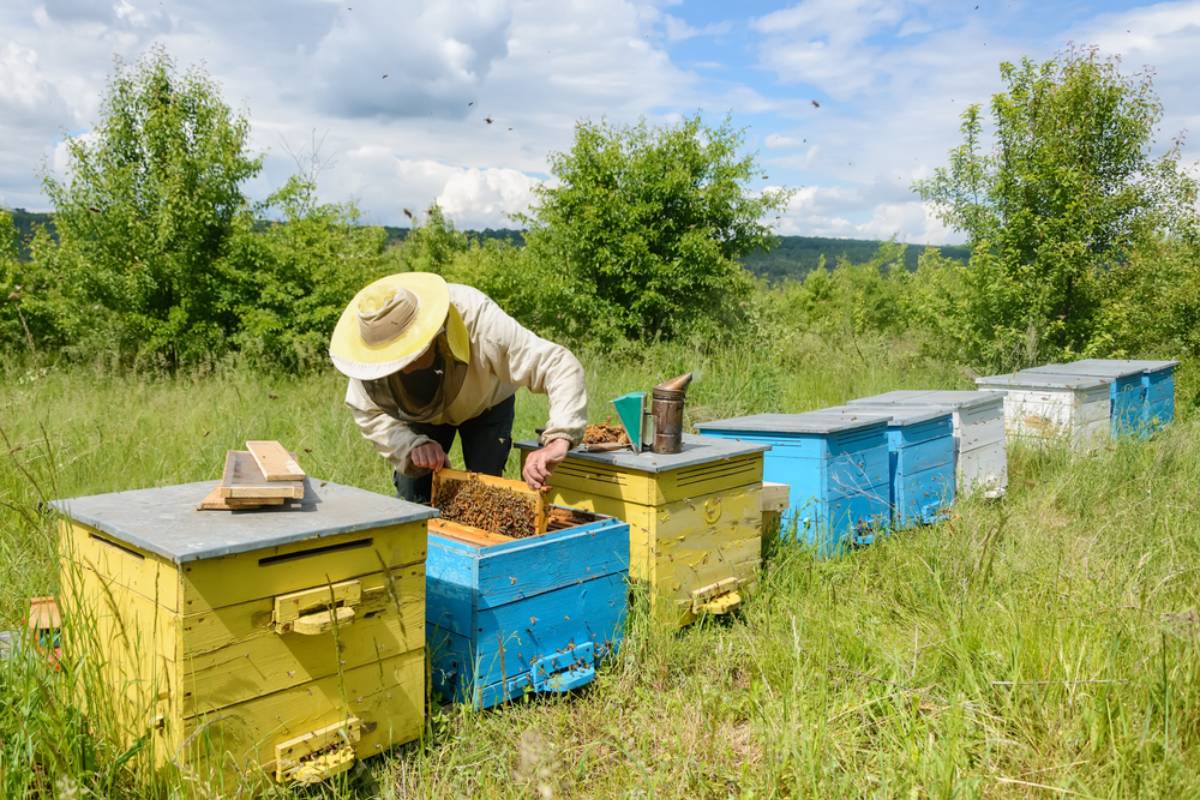
Beekeeper Says He Was Stung More Than 30 Times While Wearing His Protective Suit After Washing It With OxiClean, Then Other Beekeepers Revealed Why His Bees Might Have Turned Against Him
Beekeeping usually requires patience, careful observation, and a healthy respect for the tiny insects doing all the work. But one beekeeper discovered that even a fully protective suit might not save the day when an ordinary hive inspection takes an unexpected turn. After wearing his suit and gloves, he reportedly suffered more than 30 stings in a single day, despite being accustomed to getting stung only a handful of times over the previous year.
The beekeeper had a theory about what went wrong, and it involved a household cleaning product rather than anything happening in the garden itself. After recently washing his suit with OxiClean, he began wondering whether the bees had developed an unusual grudge against the cleaning product. What followed was a surprisingly entertaining mystery involving laundry, bee behavior, and a colony that seemed determined to make its feelings known.
The Bees Seemed to Have a Very Personal Grudge
A person shared his story after an inspection that was considerably more painful than expected. He explained that he had been fully suited and gloved, yet the bees appeared unusually aggressive toward him that day. The experience was especially confusing because he had experienced relatively few stings during the preceding year.
The timing made the situation even more suspicious in his eyes. His suit had recently been washed with OxiClean, leaving him wondering whether the product had introduced a smell the bees disliked. He jokingly concluded that the colony might have developed a vendetta against the cleaner, turning a laundry experiment into a full-blown backyard mystery.
The Weather Was Already Working Against Him
There was another possible explanation hiding in plain sight, and it had nothing to do with detergent. The beekeeper mentioned that temperatures were dropping and the sky was cloudy during the inspection. Those conditions gave him reason to wonder whether the bees were becoming more defensive as the season changed.
Bees do not always behave the same way from one inspection to the next, even when a beekeeper follows the same routine. Seasonal changes, colony temperament, and disturbances around the hive can all influence how defensive a colony becomes. That meant the suspicious cleaning product might have been innocent, although 30-plus stings certainly made the beekeeper reluctant to dismiss his theory.
A Simple Cleaning Job Suddenly Became a Laundry Investigation
The beekeeper’s original intention had been straightforward: clean his protective clothing and get rid of the unpleasant smells that accumulate during regular hive work. Beekeeping suits can collect sweat, dirt, wax, propolis, and other stubborn residues that make them less than pleasant to wear. Washing them occasionally seems sensible, particularly when the equipment is used repeatedly throughout a busy season.
Unfortunately, the results were not quite what he had hoped for. Instead of enjoying a fresher suit, he found himself questioning whether the cleaning process had somehow contributed to the bees’ aggression. He asked whether baking soda or vinegar might be better alternatives for future washes, hoping someone could help him solve the problem before his next inspection.
Other Beekeepers Had Their Own Cleaning Secrets
The request quickly opened the door to a discussion about how people actually maintain their protective gear. Some beekeepers said they used cleaning products to remove accumulated grime, while others preferred simpler washing methods. Their experiences suggested that there was no single routine everyone followed.
One response from a person recommended using soda crystals rather than ordinary baking soda, describing them as useful for cleaning bee suits and hive tools. The distinction mattered because washing soda and baking soda are chemically different products with different cleaning properties. For the beekeeper searching for a solution, that suggestion offered another possible route to a cleaner suit without simply repeating the same experiment.
The OxiClean Theory Was Not Quite Settled
Not everyone believed OxiClean deserved the blame for the disastrous inspection. One response from a person explained that they used the product on a spouse’s beekeeping suit without experiencing the same problem. They also asked which version had been used, raising the possibility that fragrance or differences between formulations could matter.
Another person described using an unscented version and suggested that it might rinse away more completely than a scented alternative. These accounts did not prove that the cleaner was responsible or that a particular formula would prevent aggressive behavior. Still, they showed why the beekeeper was not ready to abandon the investigation without hearing from people who had tried similar methods.
One Beekeeper Had a Surprisingly Different Experience
The discussion became even more interesting when another beekeeper described a similar cleaning experiment with a very different outcome. That person had also used OxiClean and reported that the smell disappeared without the bees reacting badly to the suit. Their experience suggested that the cleaning product alone might not explain every unusual encounter with a colony.
That contrast made the mystery harder to solve. If one beekeeper could wash a suit with the product without trouble, while another experienced an exceptionally painful inspection, there were clearly other variables to consider. The weather, seasonal conditions, colony temperament, and any residue remaining on the fabric could all be part of the bigger picture.
The Protective Suit Had More Than One Job
A beekeeping suit is designed to reduce the risk of stings, but it is not an invisible shield that guarantees every inspection will go smoothly. Its condition matters, particularly around zippers, seams, gloves, and the mesh veil that protects the face. Regular maintenance can help keep the equipment usable, provided the cleaning method does not damage the materials.
The beekeeper’s experience also highlighted a less obvious consideration: protective clothing sits directly between a person and a colony that can become defensive. Cleaning it is therefore about more than removing visible dirt or making the fabric smell fresh. A suitable wash needs to preserve the suit’s protective function while avoiding unnecessary damage or lingering residues.
Then Someone Revealed That Washing Could Damage the Suit
While the original concern focused on the bees, another response from a person raised a different problem with cleaning protective clothing. They explained that washing had damaged the mesh on their own suit, leaving them without usable protective equipment. The story was a reminder that a cleaning routine can create an entirely different headache even when the bees themselves are not involved.
That warning was particularly relevant because the veil and mesh are among the most important parts of a beekeeping suit. Damage can compromise protection, and replacing an entire suit may be expensive. A beekeeper trying to remove stubborn stains must therefore balance cleanliness with careful handling of delicate materials.
The Veil Became an Unexpected Part of the Conversation
The damaged mesh prompted another person to ask whether the hood could be removed from the suit before washing. That question led to a brief exchange about how difficult it can be to clean protective clothing when the veil is attached or the materials are already dirty. What began as a discussion about an unusually aggressive colony had now expanded into a debate about preserving expensive equipment.
Some beekeeping suits have removable veils, while others require more careful handling because the mesh is integrated into the design. The safest cleaning method depends on the manufacturer’s instructions and the particular construction of the suit. A gentle approach may help reduce wear, but it is important not to assume that every suit can tolerate the same washing routine.
The Seasonal Explanation Started Looking More Convincing
As more people weighed in, the changing weather returned to the center of the mystery. One response from a person suggested that bees can become increasingly defensive as the season draws to a close. That possibility offered a straightforward explanation for why the inspection might have gone so badly even if the suit had been washed correctly.
The timing mattered because the beekeeper had mentioned cooler temperatures and cloudy conditions from the beginning. Those details did not conclusively explain the unusually high number of stings, but they made the cleaning-product theory less certain. It was entirely possible that the beekeeper had connected two events that happened close together without one necessarily causing the other.
Some Beekeepers Were Still Surprised That Anyone Was Washing Their Suits
The conversation took a humorous turn when several responses questioned whether beekeepers routinely washed their protective clothing at all. One person joked about whether people actually owned suits, while another extended the joke to the idea of washing them. The exchange provided a little comic relief after a story that had involved dozens of painful stings.
Behind the jokes, however, was a genuine difference in how people approached equipment maintenance. Some beekeepers wash their clothing periodically, while others may clean it less frequently depending on use, material, and personal practice. The discussion showed that even a seemingly basic task can produce wildly different opinions among people working with the same insects.
The Search for a Better Wash Continued
The beekeeper was not simply trying to make his suit look nicer. He wanted to remove unpleasant smells without provoking another disastrous inspection, which made the choice of cleaning method especially important. Suggestions ranged from alternative cleaning products to fragrance-free washing routines and thorough rinsing.
A response from a person also discussed using a combination of laundry products intended to remove organic residues and detergent buildup. However, combining household chemicals can be dangerous, particularly when ingredients are incompatible, so such suggestions should not be followed without checking product labels and safety guidance. The sensible takeaway was to choose a compatible, fragrance-free detergent, follow the suit manufacturer’s care instructions, and rinse thoroughly rather than experiment with complicated chemical mixtures.
The Real Culprit Might Never Have Been OxiClean
By the end of the discussion, there was no definitive evidence that OxiClean had caused the bees to attack their beekeeper. Some people had used similar products without trouble, while others raised concerns about fragrances, washing methods, and damage to protective clothing. The original beekeeper’s experience remained real and unpleasant, but the cause was still uncertain.
That uncertainty is what made the story so relatable to anyone who spends time tending a garden, orchard, or backyard apiary. A small change in routine can become an obvious suspect when something goes wrong, even when several other explanations are possible. In this case, the laundry product may have been guilty, innocent, or simply caught in the middle of a very bad day.
The Next Inspection Deserved a More Careful Plan
The biggest lesson was not that every beekeeper should throw away their cleaning products after one bad experience. Instead, it was that unusual colony behavior deserves careful attention, especially after a particularly painful inspection. Checking the suit for damage, reviewing the washing instructions, and considering weather and seasonal conditions would be more useful than assuming the detergent was definitely responsible.
For the beekeeper, the next step was finding a cleaning routine that kept the suit fresh without compromising its protective materials. A mild, fragrance-free detergent and thorough rinsing would be reasonable starting points if permitted by the manufacturer’s instructions. And if the bees became unusually defensive again, the beekeeper would have more information to investigate instead of immediately blaming the laundry aisle.
A Fresh Suit Was Supposed to Make Life Easier, Not Angrier
There is something wonderfully ironic about this situation: a beekeeper tried to clean his equipment and ended up wondering whether he had offended an entire colony. The story began with an ordinary chore, escalated into a painful inspection, and developed into a debate about fragrances, mesh damage, weather, and the best way to wash a suit. Even experienced beekeepers appeared to have different ideas about the right approach.
Perhaps OxiClean was not the villain after all, but the beekeeper had every reason to reconsider his routine after such a rough day. The mystery served as a reminder that working with bees requires attention to both the insects and the equipment protecting the person tending them. Sometimes, the most valuable lesson from a backyard disaster is that the simplest explanation is worth investigating, but it should never be mistaken for a proven answer.