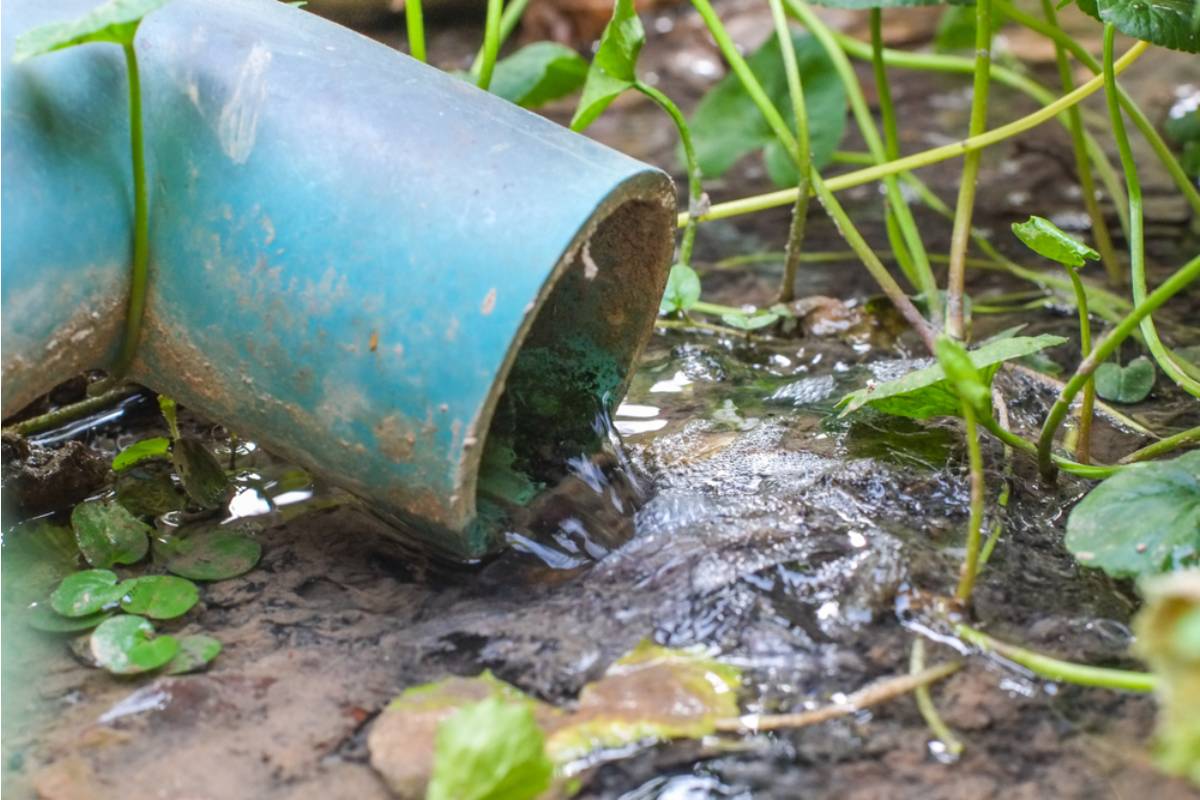
Homeowner Says a Neighbor’s Home Bakery Business Dumps Flour and Grease Water Into a Drain That Empties Beside Her Garden
For years, Karen Mitchell took pride in the flower garden beside her home in a quiet suburban neighborhood outside Raleigh, North Carolina. She carefully maintained the plants, composted responsibly, and spent countless weekends improving the small outdoor space.
That changed when a nearby home bakery began operating, and Karen noticed unusual changes around the drainage area next to her garden. What started as a simple concern about dirty water soon became a dispute involving neighbors, city officials, and questions about responsibility.
The First Signs Something Was Wrong Near the Garden
Karen first noticed something unusual when she found a strange layer of residue near the drainage channel beside her property. The narrow drainage path had always carried rainwater away from nearby homes, but recently it had started collecting cloudy water with an oily appearance.
At first, Karen assumed it was caused by normal runoff from a storm or nearby landscaping work. She cleaned the area and decided to monitor it before making any accusations.
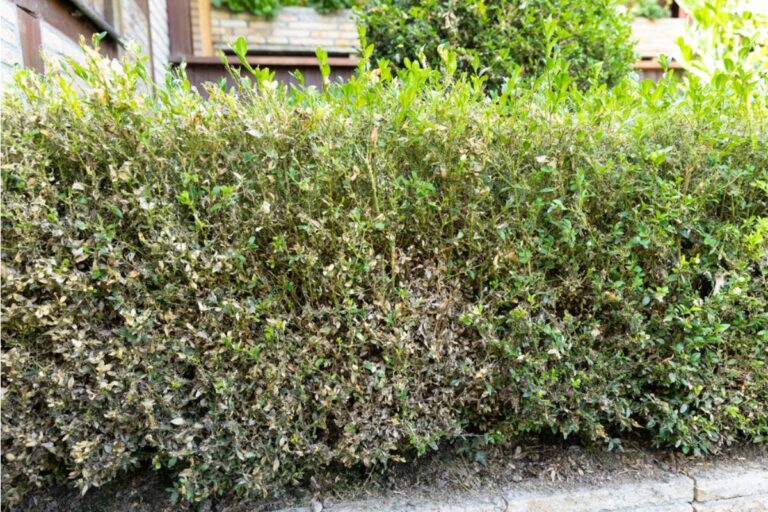
A few weeks later, she began noticing the same problem repeatedly. The plants closest to the drainage area looked weaker, and some leaves developed yellow spots despite receiving the same care as the rest of her garden.
Karen tested the soil herself using a basic gardening kit and became concerned when the results seemed different from previous years. She wondered if something from the drainage water was affecting her carefully maintained garden.
A New Bakery Brings Unexpected Problems
The home next door had recently become the location of a small baking business run by Emily and Josh Carter. The couple had started making custom cakes, cookies, and pastries from their kitchen after Emily left her office job to pursue baking full-time. Their business quickly gained attention in the neighborhood because customers praised their desserts. Karen had even purchased baked goods from them before the disagreement began.
However, as the bakery grew, Karen noticed more activity around their backyard area. Delivery vehicles arrived regularly, and she saw large containers being carried outside after baking sessions. She did not immediately assume anything improper was happening, but she started paying closer attention when the drainage issues continued. The timing made her question whether the bakery operations were connected to the changes near her garden.
The Conversation That Made Things More Complicated
Karen decided to speak directly with Emily instead of reporting the issue immediately. She walked over one afternoon and politely explained what she had noticed near the drainage area. Emily seemed surprised and told Karen that she was unaware of any problem. She explained that they cleaned their equipment carefully and followed normal household disposal practices.
The conversation ended calmly, and Karen hoped the issue would disappear. Emily promised to check how waste from the bakery was being handled. For a short time, Karen noticed less activity near the drainage area. But within weeks, the cloudy water returned, and Karen felt she needed more information before approaching her neighbor again.
Photos Reveal Something Karen Did Not Expect
Karen began taking pictures whenever she noticed unusual water flowing beside her garden. She photographed the drainage area, the residue left behind, and the containers she saw near the neighboring home. She did not want to invade anyone’s privacy, so she focused only on areas visible from her own property. Her goal was to document what was affecting her garden.
While reviewing the photos, Karen noticed what appeared to be a pattern. Some of the containers near the bakery looked similar to those used for collecting leftover cooking materials. She also noticed flour-like buildup around the drainage entrance. Karen became more concerned because she believed the issue was not accidental.
The Neighbor Denies Dumping Anything Harmful
When Karen brought her concerns back to Emily, the conversation became tense. Emily denied intentionally dumping anything harmful and said the bakery was not responsible for the drainage problem. She explained that leftover flour was swept away properly and that grease from baking equipment was collected. She felt Karen was blaming her without proof.
Karen responded that she was not trying to attack the bakery but wanted the issue investigated. She explained that her garden had been healthy for years and that something had clearly changed. The discussion ended with both neighbors frustrated. What had once been a friendly relationship became uncomfortable whenever they crossed paths.
Other Residents Begin Noticing the Disagreement
The dispute soon became known among nearby homeowners. Some neighbors supported Karen because they had also noticed unusual smells near the drainage area. Others defended Emily because they enjoyed the bakery and believed she would not intentionally damage someone’s property. The neighborhood became divided between those who wanted immediate action and those who wanted more evidence.
One neighbor, David Reynolds, offered to look at the drainage system because he had experience with home repairs. He noticed that the water flow pattern seemed unusual and suggested that the issue should be reviewed by local authorities. His involvement encouraged Karen to file an official complaint rather than continue arguing directly with Emily.
City Inspectors Visit the Properties
After receiving the complaint, city inspectors visited both homes to examine the situation. They inspected the drainage path, looked at the area around Karen’s garden, and asked Emily questions about her bakery operations. Emily allowed them to see her workspace and explained how she handled cleaning and waste.
The inspectors found that the drainage system was connected to multiple properties, making the situation more complicated than either neighbor realized. They collected samples from the area and explained that determining responsibility would require testing. For the first time, both Karen and Emily realized the problem might not have a simple answer.
The Test Results Change the Direction of the Dispute
When the test results came back, they revealed traces of oils and organic material in the drainage water. The findings confirmed Karen’s concerns that something unusual was entering the system. However, the results did not immediately prove that Emily’s bakery was the source. The drainage network connected several homes, and officials needed to investigate further.
Karen felt partly relieved because she knew she had not imagined the problem. Emily, meanwhile, felt frustrated because she believed the suspicion against her had damaged her reputation. She agreed to cooperate with officials but insisted that she had not knowingly violated any rules.
A Hidden Issue Inside the Drainage System
During a second inspection, officials discovered a damaged section of pipe near the neighboring properties. The damaged area allowed waste material from multiple sources to collect before reaching the drainage outlet beside Karen’s garden. Investigators determined that the bakery had contributed some residue, but it was not the only source of the problem.
The discovery surprised both homeowners. Karen realized that blaming Emily alone had been premature. Emily also admitted that some of her cleaning practices needed improvement, even if she was not responsible for everything found in the drainage system. The situation shifted from a personal argument to a shared neighborhood problem.
The Bakery Owner Makes Changes
After the inspection, Emily decided to make several changes to how she operated the bakery. She installed better collection containers for leftover materials and adjusted her cleaning process. She also met with Karen to apologize for not taking the concerns seriously at the beginning. Emily admitted that she became defensive because she felt personally attacked.
Karen accepted the apology but explained that her main concern had always been protecting her garden. The two neighbors agreed that better communication could have prevented the conflict from becoming so serious. They both realized that assumptions had created unnecessary tension between them.
The Garden Slowly Recovers
With the drainage issue repaired, Karen began restoring the damaged section of her garden. Some plants recovered quickly, while others had to be replaced. Neighbors helped her replant flowers and rebuild the area around the drainage path. The project became an unexpected community effort.
Karen appreciated the support but remained cautious about future problems. She continued monitoring the drainage area and kept records of any changes. The experience taught her the importance of addressing concerns early while also gathering facts before blaming someone.
A Neighborhood Learns From the Conflict
The disagreement between Karen and Emily eventually became an example of how small neighborhood issues can grow when communication breaks down. Residents started discussing drainage maintenance and responsible waste disposal during community meetings. Several homeowners inspected their own properties to prevent similar problems.
Emily’s bakery continued operating, but she became more transparent about her practices. She invited customers to see how she maintained her workspace and worked harder to show that small businesses could operate responsibly. Karen and Emily slowly rebuilt their relationship and eventually became friendly neighbors again.
The Unexpected Friendship After the Dispute
Months after the conflict began, Karen and Emily stood together beside the restored garden area. The same place that caused arguments had become a reminder of how misunderstandings could be resolved. Emily occasionally brought leftover baked goods to Karen, and Karen shared gardening advice with her. Their relationship changed because both women learned to listen instead of assuming the worst.
Karen never forgot the moment she first noticed the strange water near her plants. She still believed homeowners should protect their property, but she also understood that solving problems requires patience and evidence. What started as a dispute over a garden and a bakery ended with two neighbors finding a better way to work together.