Homeowner Says a Neighbor’s Pear Tree Was Stripped Bare While They Were on Vacation, Then a Suspiciously Brief Text Message Made Them Wonder Who Really Took the Harvest
A person shared his story after moving into a new home with 2.5 acres of land and several fruit trees that had been neglected for years. The property offered an exciting opportunity to restore the orchard, bring the trees back to life, and eventually grow enough food for the household. Among the trees scattered around the property, one pear tree near the front of the house immediately stood out because it was thriving.
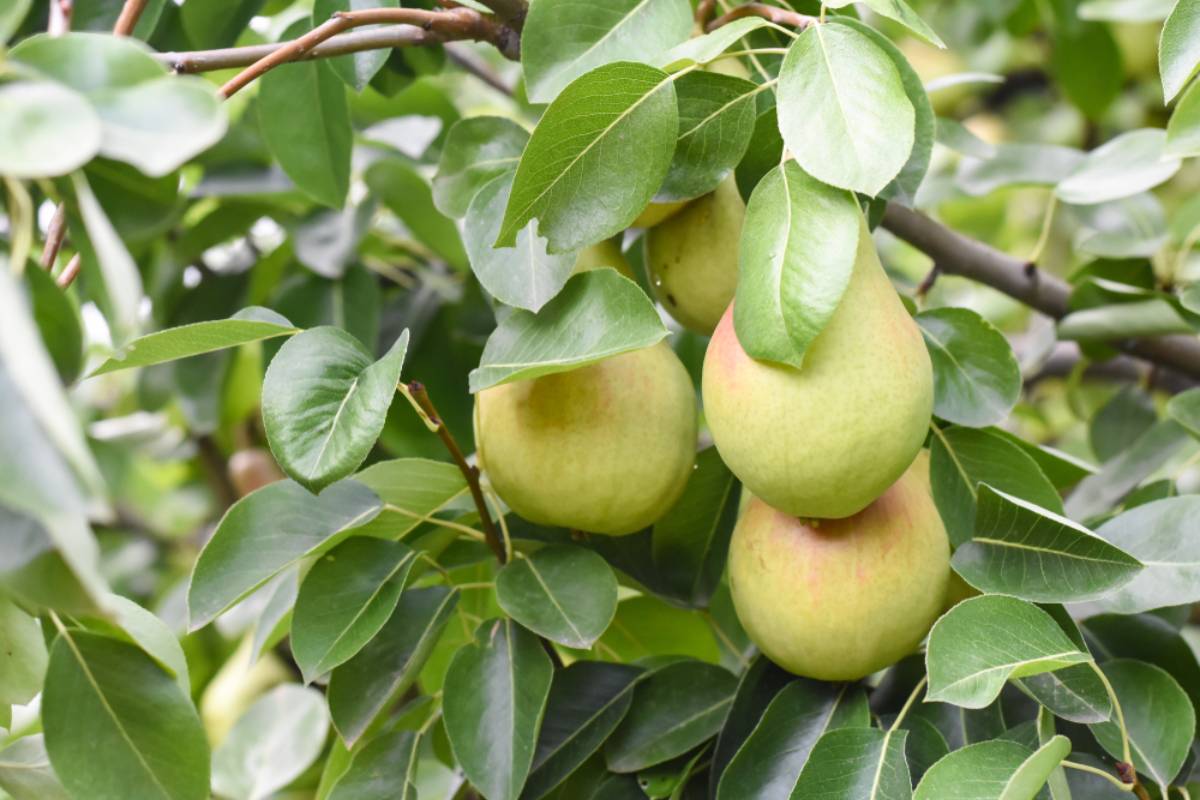
The tree was loaded with fruit, and the new homeowner estimated that at least 150 pears were hanging from its branches. For someone passionate about gardening, it was the kind of discovery that made all the hard work of restoring an old property worthwhile. Little did he know that his first proper pear harvest would turn into a neighborhood mystery.
The Pear Tree Was Finally Ready to Reward Years of Neglect
Although the property contained several fruit trees, not all of them were in equally good condition. Years without proper care had left much of the orchard struggling, making the healthy pear tree feel like a promising sign of what the land could eventually produce. The homeowner was eager to enjoy the fruits of his future gardening efforts, quite literally.
With the pears looking so promising, he decided to leave the fruit on the tree until he returned from a planned vacation. There was no apparent reason to rush, and he expected the harvest to be waiting for him when he got home. Unfortunately, nature and neighborhood surprises sometimes operate on schedules that gardeners cannot predict.
A Vacation Turned Into a Disappearing Fruit Mystery
The homeowner left for vacation with the pear tree still carrying its impressive crop. When he returned roughly a week later, he expected to see the same branches weighed down with fruit, perhaps with a few pears ready to fall. Instead, he discovered something that immediately caught his attention.
Every single pear had disappeared from the tree. The homeowner estimated that around 150 pears had been there before he left, yet not one remained when he returned. Even more puzzling, he could not find any fallen pears scattered across the ground beneath the tree.
Not Even One Pear Was Left Behind
For a gardener, losing an entire harvest can be disappointing enough without having to wonder where it went. The missing fruit was especially frustrating because the tree had been one of the few clear success stories on a property that needed plenty of attention. Seeing the branches completely empty after just one week raised questions that the homeowner could not easily answer.
The lack of fruit on the ground made the situation seem even stranger to him. If the pears had simply ripened and fallen naturally, he expected at least some evidence beneath the tree. Instead, the disappearance looked unusually thorough, leaving him to consider whether an animal or a person had helped themselves to the harvest.
The Other Fruit Trees Offered a Curious Clue
The homeowner did not have just one fruit tree on the property, so he naturally checked the rest of the orchard. Several other trees were growing nearby, and they could have attracted the same wildlife that might have been interested in the pears. Yet the other fruit trees did not appear to have been touched in the same way.
That detail made the situation harder for him to understand. Why would an animal or a visitor take every pear while leaving the other fruit alone? It was not proof of wrongdoing, but it gave the homeowner another reason to wonder whether the disappearance was as ordinary as it first seemed.
A Neighbor Across the Street Had Pears of Their Own
The property had only two neighbors, which made the mystery feel a little less complicated than it might have been in a crowded neighborhood. One neighbor lived across the street and had two smaller, newly planted pear trees. Those trees had produced a few pears of their own, creating another small harvest to look forward to.
However, the homeowner noticed that the pears on those trees had also disappeared. Suddenly, the missing fruit was no longer limited to a single mature tree on his property. The coincidence seemed remarkable, especially because both locations had lost their pears around the same period.
One Text Message Made the Situation Even More Awkward
Rather than immediately accusing anyone, the homeowner decided to contact the neighbor across the street. He sent a text asking whether deer had gotten to their pears, presenting the question as a possible explanation rather than an accusation. It was a relatively casual way to investigate the situation without starting a confrontation.
The neighbor’s reply was remarkably brief: “yes all of them.” That response did not establish who had taken the fruit or what had happened to it. Still, the homeowner found the circumstances suspicious enough to wonder whether the missing pears had anything to do with the person living across the street.
Could Deer Really Have Taken the Entire Harvest?
Deer can certainly damage gardens and feed on fruit trees, so wildlife was a reasonable possibility to consider. Depending on the tree and its branches, deer may reach some fruit, while other animals can climb much higher. The homeowner, however, struggled to understand how deer could account for the complete disappearance of pears from branches roughly 20 feet above the ground.
The missing fruit on both properties made the wildlife explanation feel less convincing to him, although it did not rule it out. Other animals, including squirrels, can remove surprisingly large quantities of fruit in a short period. What looked like a carefully executed harvest by a human could potentially have been the work of persistent wildlife.
Gardeners Warned That Squirrels Can Be Surprisingly Efficient Thieves
A response from a person suggested that squirrels might be responsible for the missing fruit. While gardeners often think of squirrels as occasional nuisances, these animals can cause substantial losses when they discover a productive fruit tree. A mature tree loaded with ripe pears can provide a tempting food source, particularly when the fruit is easy to reach.
Other gardeners shared experiences of losing peaches, plums, and other fruits to squirrels in remarkably short periods. Some described trees being stripped within a day or two, even when the amount of fruit seemed far too large for such small animals to carry away. These experiences offered a plausible alternative to the homeowner’s suspicion, reminding him that the orchard’s mystery might have a natural explanation.
A Response From a Person Suggested Waiting Before Making Accusations
One response from a person recommended avoiding a direct confrontation because the homeowner had no solid evidence identifying the culprit. Even if the neighbor’s brief text seemed suspicious, accusing someone of taking the pears could create a lasting problem between households. Once trust breaks down between neighbors, even ordinary gardening activities can become unnecessarily uncomfortable.
The advice was to focus on preventing another disappearance rather than trying to settle the mystery immediately. The homeowner could remain friendly while making it clear that the fruit trees were part of his plans for the property. This approach would allow him to protect future harvests without turning an uncertain suspicion into an open neighborhood dispute.
Cameras Could Help Solve the Mystery Next Season
Several people suggested installing cameras to monitor the property. A motion-activated camera aimed toward the pear tree could record activity during the hours when the homeowner was away, potentially revealing whether wildlife or people were responsible. It would also provide useful information about the behavior of animals around the rest of the orchard.
The homeowner responded positively to the idea of adding cameras, explaining that fencing was not practical for the entire yard. Even if the recordings only showed deer or squirrels enjoying the pears, the information would help him plan better protection for the following season. If a person were responsible, reliable footage could provide evidence instead of leaving him to rely on suspicion.
A Fence Might Protect More Than Just the Fruit
Fencing was another popular suggestion, with some gardeners pointing out that physical boundaries can prevent unwanted access to valuable plants. However, enclosing 2.5 acres would be an expensive and potentially impractical project, particularly when the homeowner was still restoring the orchard. A smaller protective barrier around the most productive trees might be a more manageable option.
Clear property boundaries could also help avoid misunderstandings about who is allowed to pick the fruit. Some people may assume that a tree is available to neighbors simply because previous owners permitted them to harvest from it. Signs stating that the property is private and that the fruit is not for public picking could help establish expectations without requiring an argument.
The Best Strategy Might Be to Change the Harvest Schedule
Another response from a person suggested keeping track of the dates when the pears ripened and harvesting earlier the following year. Fruit can disappear quickly once wildlife discovers a reliable food source, and waiting until every pear reaches peak ripeness can leave a gardener with little time to collect the crop. Monitoring the tree more closely as the fruit develops could make a significant difference.
The homeowner could begin checking the pears regularly as they approach maturity, using their appearance and firmness to determine when they are ready for picking. He could also consider protective netting or other suitable wildlife deterrents, depending on the tree’s size and the animals involved. These measures would not identify the culprit behind the previous loss, but they could help ensure that the next harvest actually makes it into the kitchen.
The Real Twist Was That Nobody Knew Who Took the Pears
Despite the suspicious timing and the neighbor’s unusually short reply, the homeowner had no confirmed evidence that anyone had stolen the fruit. The disappearance could have involved squirrels, other wildlife, a person entering the property, or even more than one cause. The fact that the neighbor’s own pears were missing added intrigue, but it did not establish a connection between the two incidents.
That uncertainty was the most frustrating part of the story. The homeowner had moved in hoping to revive neglected fruit trees and become more self-sufficient, only to find himself investigating a missing harvest before he could even enjoy it. For now, the mystery remained unresolved, and the next growing season offered the best opportunity to learn what was really happening.
A Gardener’s First Harvest Became a Lesson in Protecting the Orchard
The missing pears were a disappointing introduction to life on the new property, but they also gave the homeowner a reason to think carefully about how he would manage the orchard. Restoring fruit trees involves more than pruning branches and improving soil; it also means protecting the food those trees produce. Cameras, regular harvesting, and sensible barriers could all become part of his plan.
More importantly, the situation showed why evidence matters when dealing with neighbors. A suspicious coincidence can make one explanation feel obvious, but wildlife can be surprisingly destructive, and assumptions can damage relationships just as quickly as pests can ruin a crop. Whether the next pear season brings a successful harvest or finally reveals the mystery, the homeowner now has a plan to make sure the orchard’s next chapter is a little less puzzling.