Homeowner Says a New HOA Board Member Campaigned on Removing All Front-Yard Vegetable Gardens, Now an Entire Street Is Organizing Against It
The neighborhood HOA meeting in Maple Ridge usually lasted under an hour and mostly covered paint colors and mailbox replacements. This year, a new board candidate named Victor Lang stepped up with a presentation that immediately changed the mood in the room.
He argued that front-yard vegetable gardens made the neighborhood look “inconsistent” and should be phased out over time. A few homeowners nodded politely, thinking it was just a personal preference being shared too strongly. Others exchanged confused looks, because several gardens had been part of the street for years without complaint.
A front-yard garden becomes the example
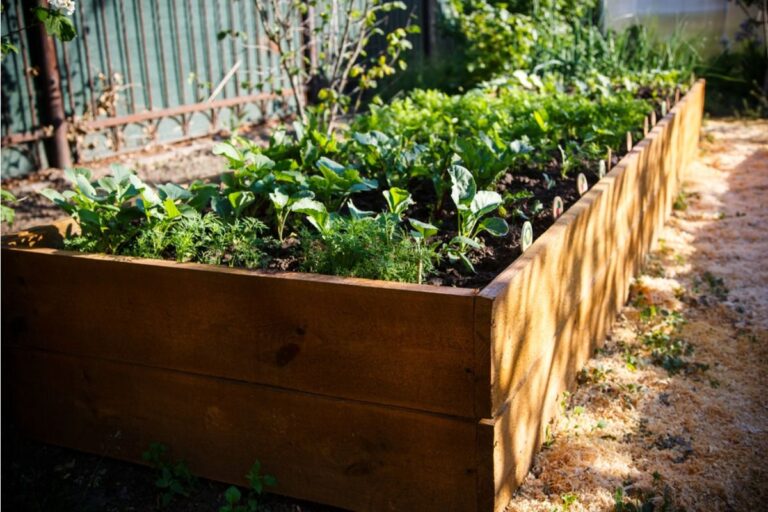
Victor specifically pointed to one house where a retired teacher named Marjorie had grown tomatoes, peppers, and herbs in neat raised beds. He called it “visually disruptive” compared to traditional lawns. Marjorie, sitting near the back of the room, raised her hand and calmly explained that her garden reduced grocery costs and helped her manage her health. Victor responded that HOA standards were about neighborhood identity, not personal benefits. The tension in the room shifted quickly as people realized this was not just theory.
The vote that split the neighborhood
A formal vote was introduced sooner than expected. Several residents admitted they had not fully read the proposal but were told it would “improve property value consistency.” The result was close enough to feel uncomfortable, with strong disagreement on both sides. Victor’s supporters saw it as progress, while others felt blindsided by how quickly it moved forward. The meeting ended without celebration, only a lingering sense that something had just changed without full agreement.
Marjorie refuses to remove her garden
Within days, Marjorie received a notice requesting removal of her front-yard beds. She responded by inviting Victor and two board members to see the garden in person. During the visit, she showed how everything was carefully arranged and maintained better than several nearby lawns. Victor repeated that the issue was not quality but uniform appearance. Marjorie calmly replied that uniformity should not erase usefulness. The conversation ended politely, but neither side shifted position.
Neighbors begin comparing notes
After Marjorie shared her experience, other homeowners started checking their own notices more carefully. Several discovered similar warnings about “non standard landscaping elements.” One family realized their herb border had been flagged despite being barely visible from the street. Conversations began happening over fences and driveways instead of official meetings. A sense of surprise turned into growing frustration as patterns became harder to ignore.
A social media post escalates everything
A resident posted photos of the affected gardens in a neighborhood group, expecting mild support. Instead, the post quickly gained attention from nearby communities and gardening advocates. Comments poured in criticizing the HOA decision and questioning its reasoning. Victor responded online defending the policy as necessary for long term cohesion. The comment thread became increasingly heated, drawing attention far beyond Maple Ridge.
A compromise offer is rejected immediately
The HOA board proposed a compromise allowing backyard vegetable gardens but restricting front-yard visibility. Many residents rejected the idea outright, saying it still punished people for choosing practical landscaping. Marjorie pointed out that sunlight and space were often better in front yards. Victor argued that perception from the street mattered more than personal preference. The meeting ended with no agreement and noticeably louder arguments than before.
A group forms quietly in opposition
A handful of homeowners began meeting informally at a local coffee shop. They discussed how to challenge the policy without escalating into full legal conflict. One resident suggested documenting every garden and its impact on property upkeep. Another proposed bringing in horticulture experts to explain environmental benefits. What started as casual frustration slowly turned into organized resistance.
A city planner weighs in unexpectedly
A visiting city planner attending a separate community event heard about the dispute and offered informal comments. He mentioned that local ordinances generally allowed edible landscaping unless it created safety or visibility issues. That statement spread quickly through the neighborhood. Residents used it to question whether the HOA had overreached its authority. Victor dismissed it as outside influence, which only increased skepticism toward his position.
A symbolic garden becomes the center of attention
Marjorie’s front-yard garden was chosen by neighbors as the unofficial example of what was at stake. People began stopping by to see it, asking questions about maintenance and yield. Children from nearby houses helped harvest herbs during weekends. Victor complained that it was turning into a “public statement,” while supporters saw it as proof of value. The garden shifted from personal space to neighborhood symbol almost overnight.
Internal division appears within the HOA board
Not all board members agreed with Victor’s strict approach. One member privately admitted she had voted without fully understanding the long term implications. Another suggested revisiting the policy before enforcement escalated further. Victor insisted that reversing course would damage credibility. The disagreement created visible tension within leadership that residents quickly noticed.
A petition gains unexpected momentum
A petition opposing the restriction circulated door to door and gathered signatures faster than expected. Even some residents without gardens signed it, citing fairness and property rights. Victor responded by warning that organized resistance could complicate HOA governance. The petition organizers remained calm, focusing only on requesting a formal review. What began as a neighborhood disagreement was now becoming a structured challenge.
The next meeting changes the tone completely
At the following HOA meeting, the room was packed well beyond usual attendance. Residents arrived prepared with photos, research, and personal testimonies. Victor attempted to restate the original proposal, but interruptions made it difficult to proceed. Marjorie spoke last, emphasizing that the issue was never about aesthetics alone but about autonomy. By the end of the night, the board agreed to suspend enforcement pending further review.
A neighborhood finds uneasy balance
Weeks later, the policy had not been removed but was no longer being enforced. Discussions shifted toward creating optional guidelines instead of strict rules. Front-yard gardens remained, though now officially “under review” status. Victor’s influence on the board diminished after the controversy, while new voices gained traction. The street returned to a calmer rhythm, but residents understood that future decisions would not pass quietly again. The gardens stayed, not because everyone agreed, but because enough people insisted they should be allowed to exist.