Homeowner Says He Built a Backyard Greenhouse Without Realizing It Cast Shade Onto His Neighbor’s Garden, Now They Want Him to Tear It Down Entirely
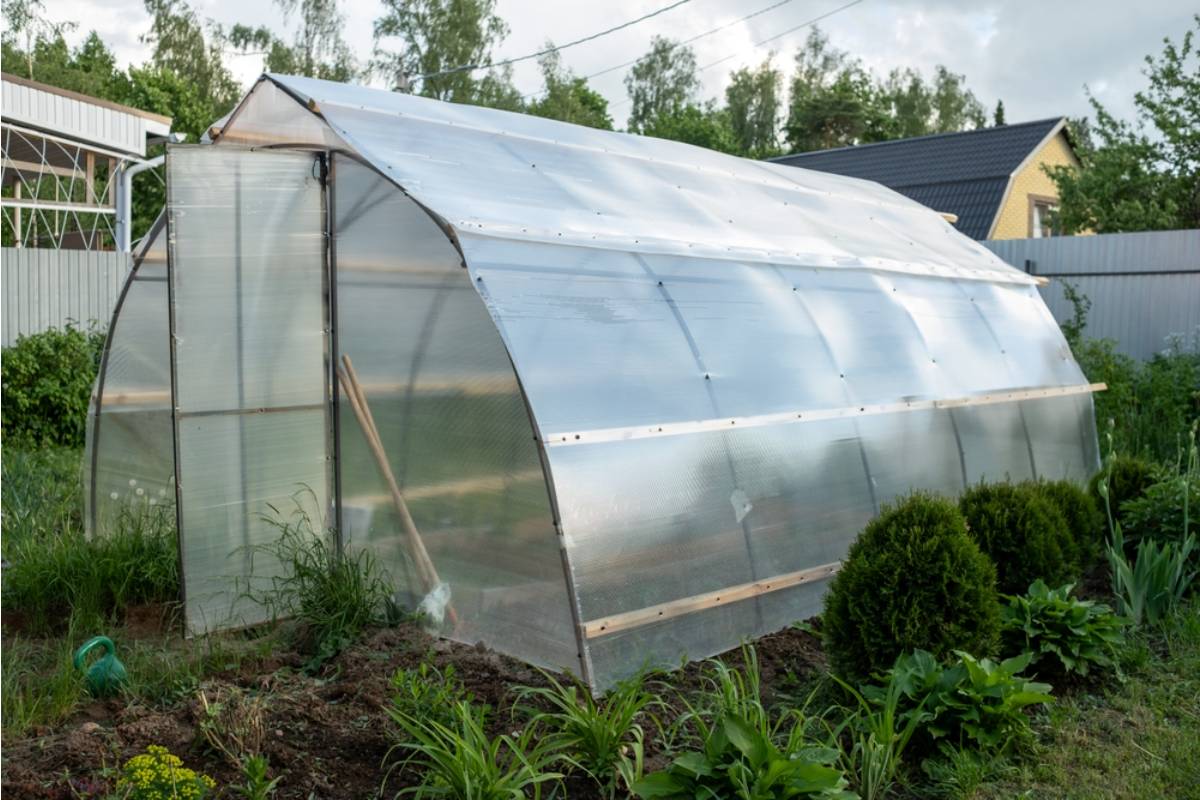
The greenhouse started as a weekend project meant to extend the growing season for herbs and a few tomato plants. The homeowner built it in the back corner of his yard where an old shed used to sit, using reclaimed panels and a simple wooden frame. At first, it felt like a practical upgrade, nothing more than a small structure to protect plants from early frost. He did not think much about sunlight angles or how far the shade would reach. That only became an issue once the structure was fully finished and standing.
First sunlight test reveals an unexpected shadow
A few days after completion, the homeowner noticed a long shadow stretching beyond his property line in the late afternoon. It reached farther than expected, touching the edge of the neighboring garden. He assumed it would not matter since it only lasted a short time. The structure itself seemed small compared to nearby houses and trees. Still, the shadow pattern did not go away.
Neighbor notices changes in her vegetable beds
The neighbor mentioned that her tomato and pepper plants were not growing as well in one section of her yard. She pointed out that the soil there used to get full sun all day. The homeowner had not realized his greenhouse was affecting that exact spot. She said the difference in growth was becoming obvious. That was the first time the issue felt real rather than theoretical.
First conversation over the fence
The neighbor walked over one afternoon to ask if anything had changed on his side of the yard. He explained the greenhouse project and admitted he had not mapped out shadow impact beforehand. She listened but seemed concerned rather than angry. She said even partial shading was affecting her harvest. The conversation ended without a clear solution.
Shadow impact becomes more noticeable
As the weeks went on, the shaded area in her garden became more defined. Plants closest to the fence line started stretching toward available light. Growth in that section lagged behind the rest of her yard. She began adjusting plant placement to compensate. Still, the pattern continued each day.
A garden consultant is brought in
The neighbor hired a local garden consultant to evaluate the situation. He observed the sunlight path during different times of day. His assessment confirmed that the greenhouse was casting a predictable but consistent shadow in peak growing hours. He explained that even small structures can affect adjacent plant cycles. The report added weight to her concerns.
Request to modify the greenhouse
After receiving the assessment, the neighbor asked if the structure could be reduced in height or repositioned. The homeowner said that would require partial disassembly and rebuilding. He offered to install reflective panels to redirect some light. She said that would not solve the core issue. The disagreement began to sharpen.
HOA becomes aware of the dispute
The neighborhood association was informed when the issue escalated. They reviewed property guidelines and confirmed the greenhouse did not violate setback rules. However, they encouraged both parties to find a mutual adjustment. The homeowner felt protected by compliance rules. The neighbor felt the rules did not address real garden impact.
Temporary shading experiment attempted
The homeowner installed adjustable roof panels to reduce afternoon shadow length. The modification slightly changed light angles but did not eliminate the shaded zone. The neighbor acknowledged a minor improvement but said it was still insufficient. The adjustment was seen as partial progress but not a resolution. Both sides remained dissatisfied.
Garden yield comparison raises tension
The neighbor began tracking her harvest more closely and compared it to previous years. The shaded section consistently produced fewer vegetables than sunnier areas. She shared these records during another discussion. The homeowner pointed out that weather variation could also be a factor. The disagreement became more data driven and less emotional but no less tense.
Proposal to relocate the greenhouse entirely
The neighbor eventually asked if the greenhouse could be moved to another corner of the yard. The homeowner explained that relocation would require dismantling the entire structure. He said it was built based on soil conditions and drainage in that specific spot. She responded that her garden also depended on stable sunlight. Neither side wanted to compromise further.
Inspection confirms permanent shadow pattern
A second consultant reviewed the site and confirmed the greenhouse cast a fixed seasonal shadow. He noted that full elimination of impact would require either relocation or significant redesign. The findings left little room for partial fixes. Both parties received the same technical explanation. It clarified the situation but did not resolve it.
Community discussion divides opinions
Other neighbors became aware of the dispute and shared differing views. Some felt property owners should be allowed to build freely within their land. Others believed sunlight access should be considered when adding structures. The debate spread informally through backyard conversations. The situation became a neighborhood talking point.
Final outcome leaves structure in place
In the end, no major changes were made to the greenhouse. The homeowner kept the structure and continued adjusting small details for efficiency. The neighbor reorganized her garden layout to reduce shaded losses. Both sides maintained distance but stopped formal complaints. The greenhouse remained standing, casting its predictable shadow as part of the shared landscape.