Some Home Gardeners Are Growing Their Own Wasabi in Shaded, Wet Garden Corners, And the Process Is Far More Involved Than People Expect
Nathan had always enjoyed growing unusual plants that most people never attempted at home. His backyard already held rare herbs, heirloom vegetables, and fruit trees that neighbors regularly asked about.
When he mentioned he wanted to grow wasabi, nearly everyone laughed and told him it was impossible outside of specialty farms. Instead of giving up, he turned one forgotten corner of his yard into an experiment that would challenge his patience more than any gardening project before it. The journey quickly became far more complicated than simply putting a plant into the ground.
An Overlooked Corner Became the Perfect Candidate
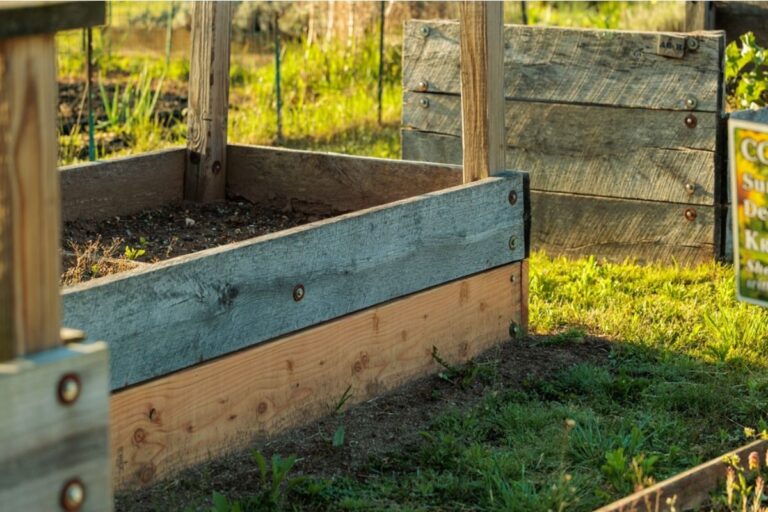
Behind an old maple tree, Nathan had a damp section of the yard where sunlight barely reached the ground. Most previous plants struggled there because the area stayed cool and moist throughout the year. While reading about wasabi, Nathan realized those conditions resembled the environment the plant preferred. He cleared away weeds and began preparing the space carefully. The neglected corner suddenly had a new purpose.
The First Shipment Arrived With High Expectations
Nathan ordered several young wasabi plants from a specialty nursery after months of research. He unpacked them with extraordinary care, making sure the delicate roots remained undisturbed. His wife joked that he handled them more gently than expensive electronics. Nathan laughed but admitted replacing them would not be easy. Every plant represented months of planning.
Early Success Created False Confidence
The first few weeks went better than Nathan expected. The leaves remained healthy, and fresh growth appeared near the center of each plant. Friends visiting the garden congratulated him on proving everyone wrong. Nathan quietly wondered if growing wasabi had been exaggerated as unusually difficult. That confidence disappeared much sooner than he imagined.
One Small Mistake Triggered Bigger Problems
Trying to improve drainage after a heavy rain, Nathan accidentally changed the moisture level around several plants. Within days, one of the healthiest specimens began showing signs of stress. Leaves drooped despite looking perfectly healthy only a week earlier. Nathan realized the plants reacted to even subtle environmental changes. Every adjustment required much more caution than he had anticipated.
Advice Came From an Unexpected Source
While attending a regional gardening event, Nathan met an older grower named Ellen who specialized in unusual edible plants. After hearing about his struggles, she smiled knowingly and explained that consistency mattered more than constant improvement. She warned that many gardeners unintentionally harmed wasabi by trying to fix problems too quickly. Nathan wrote pages of notes during their conversation. Her advice completely changed his approach.
A Homemade Shade Structure Solved One Issue
As summer approached, Nathan noticed patches of direct afternoon sunlight reaching the garden corner. Instead of moving the plants, he built a lightweight shade structure using simple materials he already owned. The filtered light protected the leaves without blocking airflow. Within a couple of weeks, the plants looked noticeably healthier. Nathan finally felt he was moving in the right direction again.
Curious Neighbors Started Asking Questions
People walking past the backyard fence often noticed Nathan working in the shaded corner. When they asked what he was growing, most had never heard of anyone attempting wasabi at home. Several assumed it was no different from planting lettuce or spinach. Nathan laughed and explained how sensitive the plants could be. Their surprised expressions reminded him how little most gardeners knew about the crop.
A Garden Club Tour Sparked New Interest
Nathan agreed to include his backyard in a neighborhood garden tour. Visitors admired the colorful vegetables before gathering around the shaded wasabi bed. Many expected dramatic looking plants but instead found a modest patch that demanded remarkable attention. Nathan explained the daily routine of monitoring moisture and maintaining stable conditions. The crowd left with a new appreciation for the challenge.
A Heavy Storm Tested Everything
One weekend an intense rainstorm flooded sections of Nathan’s yard. He rushed outside to make sure water continued flowing through the drainage channels he had created months earlier. One clogged outlet threatened to leave standing water around the wasabi roots. Working carefully, he cleared the blockage before serious damage occurred. The experience proved how quickly conditions could change.
Patience Finally Began Paying Off
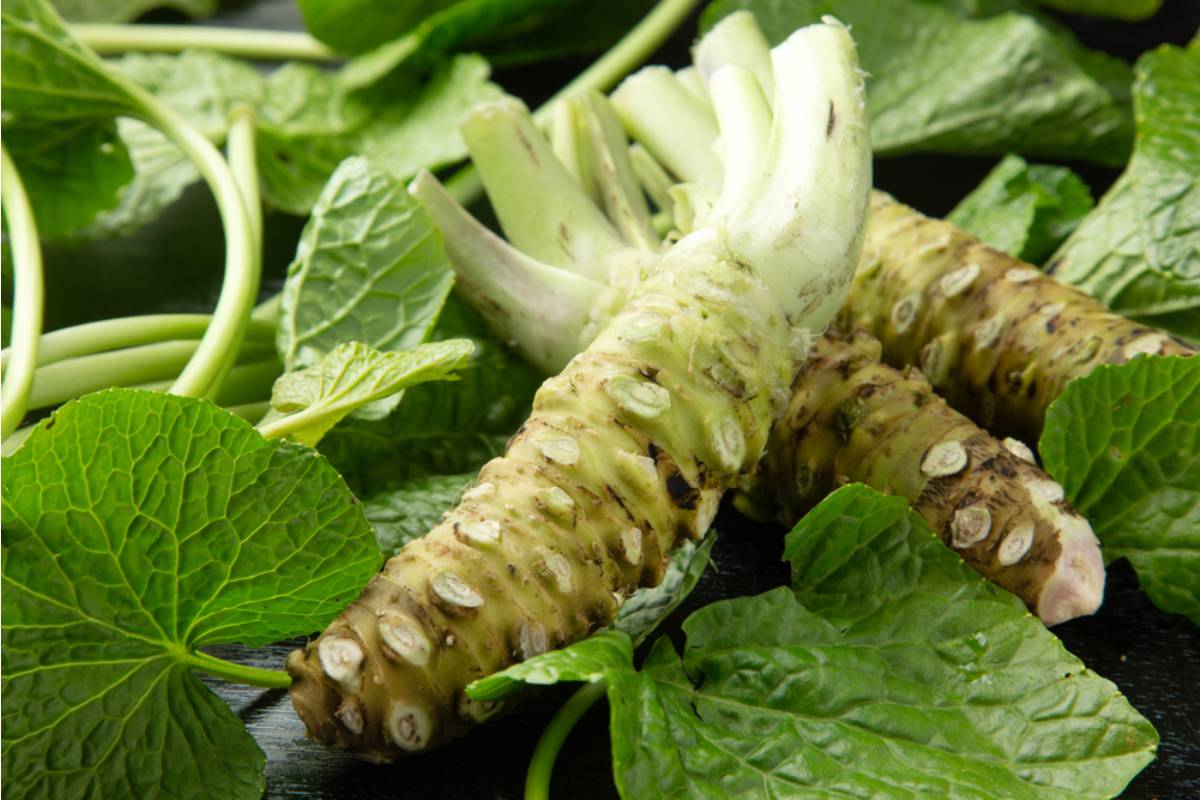
Months passed before Nathan noticed the thick rhizomes developing beneath the plants. He resisted the temptation to harvest them too early, remembering Ellen’s advice about patience. Friends kept asking whether the crop was finally ready. Nathan smiled and explained that rushing the process would waste years of effort. Waiting became part of the achievement.
The First Harvest Drew an Unexpected Crowd
When Nathan finally harvested a mature rhizome, several neighbors gathered to watch after hearing about the long project. They expected a quick demonstration but were fascinated by how carefully he cleaned and prepared the harvest. The process looked far more deliberate than anyone anticipated. Questions continued long after the harvest was complete. Even experienced gardeners admitted they had underestimated the complexity.
The Shaded Corner Became the Most Talked About Part of the Yard
By the following season, Nathan’s once forgotten garden corner had become the feature visitors asked about first. A few neighbors even began creating their own shaded growing areas after seeing what careful planning could accomplish. Nathan reminded each of them that success came from consistency rather than shortcuts. His experience showed that unusual plants often demand far more commitment than people expect. The little patch beneath the maple tree became proof that persistence could transform even the most overlooked part of a backyard.