What Gardeners Who Switched From Chemical Fertilizers to Compost Say Happened to Their Soil After Just One Full Season
For years, I treated my vegetable garden the same way many people around me did. Every spring I bought bags of chemical fertilizer, spread them across the beds, and expected bigger harvests. The plants usually grew fast, but the soil always looked lifeless by the end of the season.
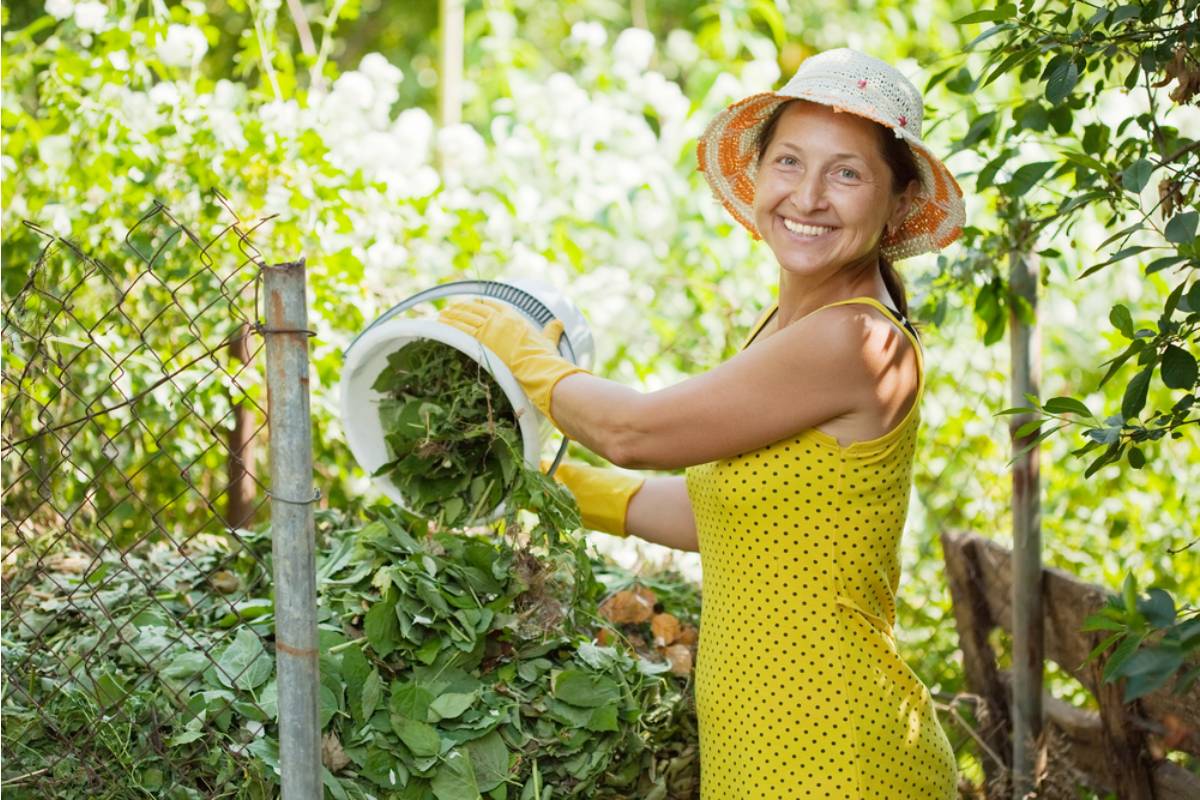
Last year, I decided to stop relying on those products and committed to using homemade compost instead. Friends warned me that I might regret the decision, but I wanted to see what would actually happen after giving the soil a full season to recover.
The First Weeks Felt Like a Mistake
The garden did not explode with growth the way it usually did after fertilizer applications. My tomatoes looked average instead of towering over the cages, and I caught myself wondering if I had made a huge mistake. My neighbor even joked that my compost pile looked healthier than my vegetables. I nearly bought another bag of fertilizer, but I decided to stick with the experiment. Looking back, several other gardeners told me they experienced the same doubts before things started changing.
Digging Became Surprisingly Easier
By early summer, I noticed something unexpected while planting another row of peppers. My shovel slipped into the ground with far less effort than it had the previous year. Instead of hitting hard, compacted dirt, I found soil that crumbled apart in my hands. Earth that once formed heavy clumps now felt loose and airy. Several gardeners in my community said that was the first sign their compost was beginning to improve the structure below the surface.
Earthworms Suddenly Took Over the Beds
One afternoon, my daughter helped pull a few weeds and shouted because she kept finding earthworms everywhere. We realized we had seen very few of them in previous seasons. Every scoop of soil seemed alive with tiny creatures moving through the compost enriched ground. An older gardener smiled and said, “If the worms moved in, you’re finally feeding the soil instead of just feeding the plants.” That simple comment stayed with me for the rest of the season.
Heavy Rain Stopped Washing Everything Away
A strong storm rolled through our neighborhood and left puddles in many yards. My raised beds soaked up the water instead of letting it run across the surface. The next morning the soil remained moist without looking muddy or packed down. Nearby gardeners who had also switched to compost noticed similar results in their gardens. They said they spent less time worrying about erosion after large rainstorms.
Watering Slowly Became Less Frequent
By the middle of summer, I realized I was dragging the garden hose around less often. The soil stayed damp longer, even during stretches of hot afternoons. My cucumbers and beans looked healthy despite receiving fewer watering sessions than the year before. At first I thought I was imagining it, so I compared notes with another gardener across town who had also switched. She laughed and admitted she had noticed exactly the same thing.
The Plants Looked Healthier Without Growing Wild
The vegetables still grew well, but they looked different from previous years. Instead of producing huge bursts of soft leafy growth, the plants developed thicker stems and darker leaves. My peppers stayed upright without constantly needing extra support. Several experienced compost users explained that steady nutrition often creates stronger plants instead of rapid growth that struggles later in the season. That description matched what I was seeing in my own beds.
Weeds Became Easier to Pull
One weekend I expected another exhausting weeding session. Instead, many weeds came out with their roots intact after a gentle tug. The softer soil released them without much effort, saving me a surprising amount of time. My gardening club shared similar experiences and said healthier soil often makes maintenance less frustrating. It was one of those unexpected benefits that nobody had mentioned when talking about compost.
A Backyard Visitor Pointed Out the Biggest Change
My brother visited for a family barbecue and wandered into the garden while everyone else stayed on the patio. He scooped up a handful of soil, squeezed it gently, and asked if I had done something different. Without knowing about the experiment, he noticed the rich texture and darker color immediately. He said the soil looked like something from a professional nursery rather than a backyard vegetable patch. Hearing that from someone who had seen the garden for years made the transformation feel real.
Harvest Time Brought an Unexpected Surprise
When harvest season arrived, I expected smaller yields because I had skipped chemical fertilizer. Instead, many crops produced just as well as previous years, while a few actually performed better. The tomatoes developed fewer cracked fruits, and my carrots grew straighter than they ever had before. Several gardeners reported similar stories after completing their first compost only season. They admitted they had expected a sacrifice in production but were pleasantly surprised.
The Soil Stayed Productive After Crops Were Removed
Normally, my beds looked tired once the vegetables were gone. This time the soil still appeared dark, soft, and full of life after the harvest ended. Pulling old plants left behind crumbly earth instead of dry, dusty patches. I found more worms working beneath the surface than I had seen all spring. The garden looked ready for another season instead of looking completely worn out.
Neighbors Started Asking Questions
People walking past the garden began stopping to ask what I had changed. They assumed I had purchased expensive soil or installed some special irrigation system. When I explained that the biggest difference was switching to compost, several seemed genuinely surprised. One neighbor admitted she had always thought compost was only useful for getting rid of kitchen scraps. By the end of the conversation, she was already planning her first compost bin.
Looking Back Changed the Way I Think About Gardening
After one full season, the biggest lesson was not about growing bigger vegetables. It was about realizing that healthy soil creates lasting improvements that cannot always be measured in a single harvest. The garden became easier to work, required less frequent watering, and felt more alive than it had in years.
Other gardeners who made the same switch described nearly identical experiences, even though they grew different crops in different regions. I still enjoy harvesting fresh vegetables, but now I pay just as much attention to the condition of the soil that makes every future season possible.