Some Home Gardeners Are Growing Their Own Vanilla Beans From Orchid Vines Indoors, And the Multi-Year Process Is Gaining a Surprising Following
It began in a small indoor gardening group where hobbyists shared unusual plant experiments. One user posted photos of a vanilla orchid vine growing along a kitchen trellis and claimed it had survived indoors for over a year. The post did not go viral at first, but it caught the attention of a few serious plant enthusiasts. They were intrigued by the idea of growing something that normally comes from tropical farms inside American homes. Within weeks, discussions started shifting from curiosity to serious attempts at replication.
The First Shipment of Vanilla Orchid Cuttings
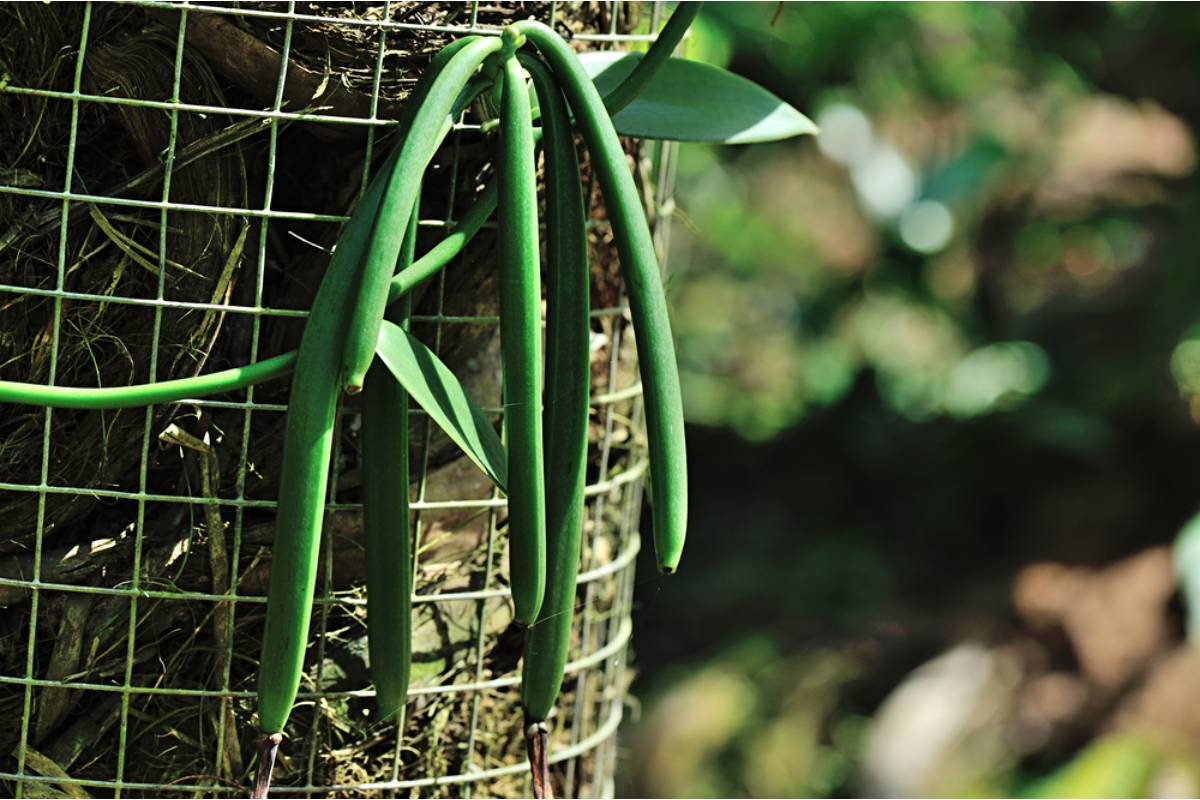
A handful of gardeners in different states ordered vanilla orchid cuttings from specialty sellers. The plants arrived looking fragile, almost like thin green ropes with no obvious structure. Most people underestimated how demanding the vines would be in a home environment. One gardener in Oregon joked that it looked more like a science project than a houseplant. Still, they all set up makeshift indoor trellises near windows to try to keep them alive.
Learning That Vanilla Is Not a Quick Crop
The reality of the plant hit quickly when experienced growers joined the conversation. Vanilla orchids do not produce beans for several years and require very specific humidity and heat conditions. Some gardeners admitted they had already lost their first vines within months. Others began adjusting their homes with humidifiers and grow lights just to keep the plants stable. The enthusiasm did not fade, but it became more disciplined and technical.
A Backyard Enthusiast Turns His Living Room Into a Greenhouse
Mark Jensen, a homeowner in North Carolina, converted part of his living room into a controlled plant space. He installed temperature monitors, misting systems, and vertical supports for the growing vines. His family initially thought it was just another hobby phase, but it quickly took over the room. The vanilla vine began wrapping around shelves and climbing toward ceiling hooks. Visitors started asking if he was running a small indoor farm instead of a home setup.
The First Unexpected Flower Bud Appears
After nearly three years of care, one of the vines finally produced a flower bud in Mark’s setup. The moment was almost unbelievable because vanilla orchids rarely bloom outside tropical pollination conditions. He posted photos in the group, and other growers reacted with a mix of excitement and disbelief. People asked for exact humidity readings and lighting details, trying to replicate the conditions. The post turned Mark into an informal reference point for beginners.
Pollination Becomes a Manual Process
Growers quickly learned that indoor vanilla flowers do not naturally pollinate in most American homes. They began using small tools like toothpicks to manually transfer pollen between parts of the flower. One gardener described it as “performing surgery on a plant the size of your finger.” Success rates were low at first, leading to frustration and repeated attempts. But every small success felt like a breakthrough worth sharing with the entire group.
A School Teacher Brings the Project Into Her Classroom
A middle school teacher in Texas introduced a small vanilla orchid setup into her science classroom. Students were fascinated by the long growth cycle and the idea of producing vanilla beans over years. The plant became a long term classroom experiment instead of a short lesson. Students tracked humidity and growth patterns as part of their assignments. The project sparked more interest than any textbook chapter she had taught that year.
A Heated Debate Over Artificial Growth Conditions
As more growers shared setups, a debate emerged about how “authentic” indoor vanilla production really was. Some insisted that using heavy artificial lighting and controlled climate systems changed the nature of the plant. Others argued that adaptation was the only way to make vanilla viable outside tropical regions. The disagreement split online communities into cautious purists and experimental growers. Despite the arguments, both sides kept growing their vines.
The First Homegrown Vanilla Bean Harvest Reported
After nearly four years, a gardener in Florida posted images of a single cured vanilla bean from her indoor vine. The post spread quickly through gardening forums and social media groups. She described the process as slow, delicate, and uncertain until the very end. Other growers asked for step by step details, trying to verify if it was reproducible. It marked the first widely acknowledged success within the community.
Supply Sellers Begin Advertising Indoors Friendly Varieties
Nursery sellers noticed the growing demand and started marketing vanilla orchids as “indoor adaptable” plants. Some listings highlighted easier flowering conditions and improved vine resilience. Experienced growers questioned whether these claims were exaggerated. Still, new hobbyists continued buying them, hoping to replicate the rare success stories. The market quietly expanded alongside the growing online interest.
A Failed Batch Sparks Frustration in a Small Town Group
In a suburban gardening club in Illinois, multiple members lost their vines after a sudden humidity drop during winter. The group had been trying to synchronize flowering cycles for a shared harvest experiment. The losses led to frustration and blame over maintenance practices. One member suggested the project was too unstable for home environments. Others refused to give up, calling it a setback rather than failure.
The Community Splits Between Hobby and Obsession
As the years passed, some gardeners treated vanilla growing as a casual experiment while others became deeply invested. The difference showed in how much time and equipment they were willing to commit. A few participants upgraded entire rooms into controlled climate spaces. Others quietly stepped away after repeated failures. What started as a curiosity had turned into a long term commitment for a dedicated group of growers.