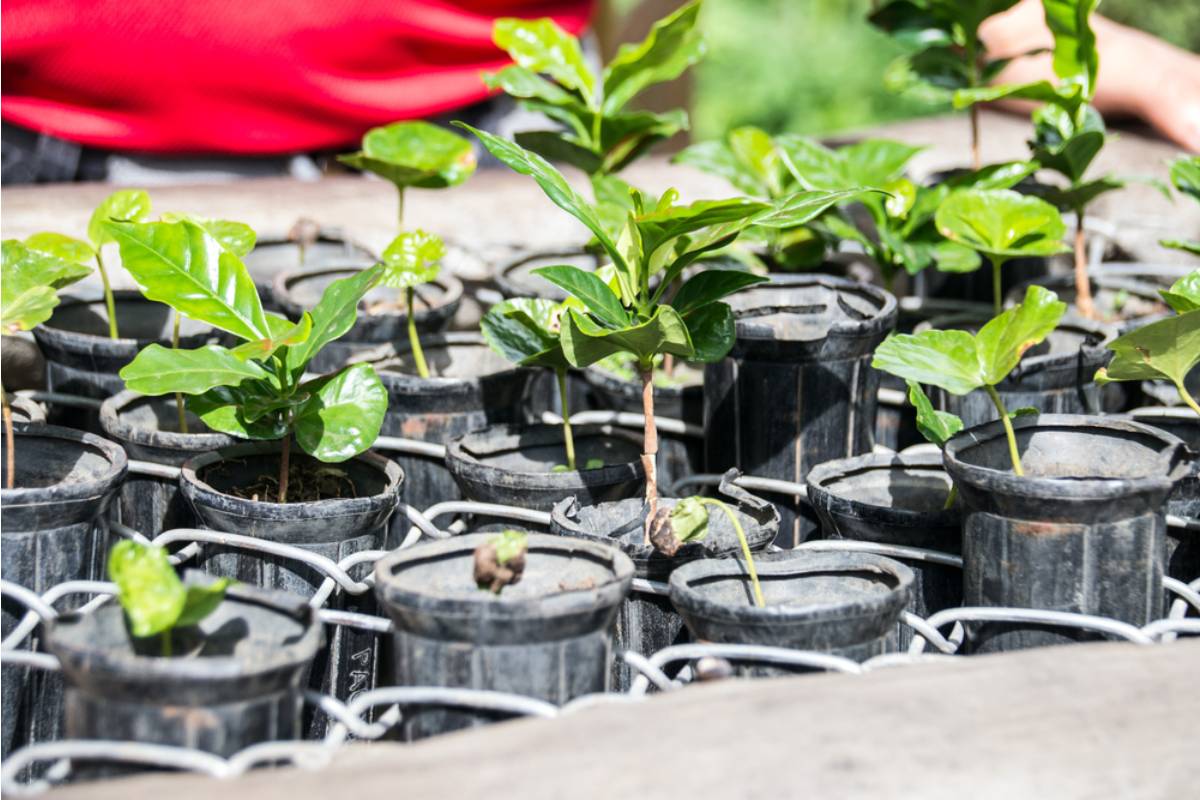
Some Home Gardeners Are Growing Their Own Coffee Plants Indoors as Ornamentals, And a Few Are Surprised to Find Out They Can Actually Harvest Beans
For years, many houseplant enthusiasts have grown coffee plants simply because they look attractive indoors. Their glossy leaves, compact shape, and tropical appearance make them popular additions to sunrooms and bright living spaces. Most owners never expect anything beyond a healthy ornamental plant. That was the case for several members of a gardening club in Oregon who regularly traded cuttings and growing tips. Then one unexpected discovery turned a casual hobby into something far more interesting.
A Plant Purchased for Its Leaves
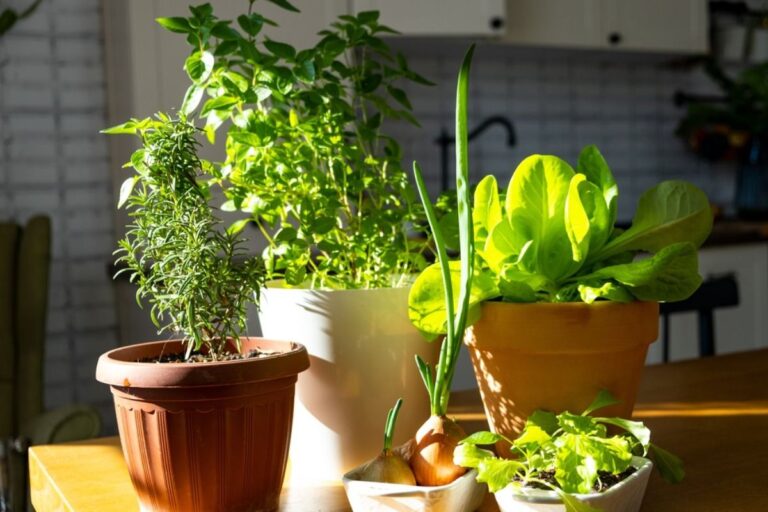
Jessica Miller bought a small coffee plant from a local garden center and placed it near a large south facing window. She liked the deep green foliage and assumed it would remain a decorative houseplant forever. Whenever guests visited, they often asked what type of plant it was. Few recognized it as a coffee plant. Jessica certainly never imagined it could produce anything useful.
Tiny White Flowers Appear
After several years of growth, Jessica noticed clusters of small white flowers emerging along the branches. At first she thought something unusual was happening because she had never seen the plant bloom before. The flowers released a pleasant fragrance that filled part of the room. Curious, she posted photos in an online gardening group. The responses arrived almost immediately.
Experienced Growers Start Asking Questions
Several gardeners commented that flowering was an important step toward fruit production. Jessica laughed at the suggestion and assumed they were joking. Coffee beans came from massive farms in tropical countries, not from a potted plant beside her bookshelf. Yet the comments continued. More experienced growers encouraged her to watch what happened next.
Green Berries Replace the Blooms
Weeks later, the flowers faded and tiny green berries began forming where the blossoms had been. Jessica was stunned. She called her friend Angela, another gardening enthusiast, and showed her the developing fruit during a video chat. Angela initially thought the berries were decorative seed pods. Neither of them fully understood what they were looking at.
A Late Night Internet Search Changes Everything
That evening Jessica spent hours researching coffee plants. Article after article explained that coffee beans actually develop inside the fruit commonly called coffee cherries. The photos looked remarkably similar to the berries growing on her plant. She realized the comments from other gardeners had been completely serious. Suddenly she viewed the plant in an entirely different way.
News Spreads Through the Gardening Club
At the next club meeting, Jessica brought photos documenting the flowers and fruit. Members crowded around her phone, passing it from person to person. Several admitted they also owned coffee plants but had never seen them bloom. One member named Robert mentioned he had a mature plant that recently flowered as well. The room quickly filled with excitement and questions.
A Friendly Competition Begins
Within weeks, several club members started paying closer attention to their own coffee plants. Photos of buds, flowers, and developing cherries appeared constantly in the club’s group messages. People compared lighting conditions, watering schedules, and fertilizer routines. What started as casual curiosity evolved into an unofficial competition. Everyone wanted to see who would harvest usable coffee beans first.
The First Red Cherries Arrive
Months later, Jessica noticed her green berries gradually changing color. They eventually ripened into bright red cherries that looked surprisingly attractive against the dark foliage. She carefully harvested a small handful and placed them on her kitchen counter. Holding them in her hand felt strangely unreal. The fruit looked exactly like examples she had seen online from commercial coffee farms.
Confusion Over What Comes Next
Harvesting the cherries turned out to be only the beginning. Jessica and several club members quickly realized they had no idea how to process them. Some suggested simply drying the fruit whole. Others recommended removing the outer layers first. The group found conflicting advice everywhere they looked, leading to spirited debates and plenty of trial and error.
A Small Batch Becomes a Neighborhood Attraction
After experimenting with processing methods, Jessica finally extracted and dried the beans from her harvest. Friends who visited her home asked to see them. Neighbors who previously ignored the coffee plant suddenly wanted growing tips. One even joked that she had started a backyard coffee plantation. The tiny batch became a surprisingly popular conversation piece.
The Roasting Experiment
Determined to complete the process, Jessica roasted a small portion of her beans using equipment she already had in her kitchen. The smell quickly filled the house. Family members gathered around, curious whether the experiment would actually work. The roasted beans looked imperfect compared to store bought coffee, but they undeniably resembled the real thing.
The Moment of Truth
The next morning, Jessica ground a portion of the roasted beans and brewed a single cup. Her expectations were low because the harvest had been so small and the process had involved plenty of guesswork. To her surprise, the resulting coffee tasted recognizable. It was not the best coffee she had ever consumed, but it was unquestionably coffee. The room erupted with laughter and celebration.
Other Gardeners Begin Checking Their Plants
Word of Jessica’s success spread beyond the club through social media posts and local gardening groups. Home gardeners across the region started inspecting coffee plants they had owned for years. Some discovered flower buds already forming. Others realized their plants simply needed better growing conditions. Interest in indoor coffee cultivation grew almost overnight.
A Hobby Takes on New Meaning
What fascinated people most was not the amount of coffee produced. Nobody expected a houseplant to replace store bought beans. Instead, gardeners loved the idea of experiencing the entire process firsthand, from flowers to fruit to a brewed cup. Plants that had once been valued only for their appearance suddenly offered something more. For many indoor gardeners, the discovery transformed an ordinary ornamental into one of the most rewarding plants they had ever grown.