Homeowner Says All 18 Arborvitae Trees Died on the Side Facing His Neighbor’s Makeshift Shed, Then a Landscaper Pointed Out a Suspicious Pattern That Changed Everything
A homeowner had grown tired of looking into the backyard behind his house, where an enormous makeshift shed wrapped in tarps dominated the view. The neighboring yard was poorly maintained, and the short fence between the properties did little to hide the clutter. Hoping to create a greener, more peaceful outdoor space, he decided to plant a row of arborvitae along the boundary. What seemed like an ordinary landscaping project would soon turn into a mystery he never expected.
Eighteen Trees Were Supposed to Change Everything
The homeowner planted 18 arborvitae trees on his own property, hoping they would eventually grow into a thick, attractive privacy screen. These evergreen trees are popular for exactly that reason, offering year-round greenery and a natural barrier between neighboring yards. He imagined that, with time, the trees would transform the fence line into a beautiful green wall. Instead, the new planting appeared to change the atmosphere between the two households.
The Neighbors Suddenly Went Silent
Before the trees arrived, the homeowner said he had enjoyed a good relationship with his neighbors. They had apparently gotten along without any major problems, making what happened next especially puzzling. After the arborvitae were planted, however, the neighbors stopped speaking to him and never discussed the new greenery. There was no argument, no complaint about the fence line, and no obvious explanation for the sudden silence.
Winter Seemed Like the Most Likely Culprit
When spring arrived, several of the newly planted trees had died, but the homeowner initially did not suspect anything unusual. Winter weather can be hard on young evergreens, particularly when they have not yet established strong root systems. Rather than assume someone had interfered with his landscaping, he figured the cold season had simply taken its toll. He planned to replace the dead trees and move on with his life.
A Landscaper Spotted Something Strange
The mystery took a different turn when a landscaper visited the property and examined the damaged arborvitae. Instead of finding trees that had simply died all over, he noticed a pattern that immediately caught his attention. Every tree appeared to have dead foliage on the backside facing the neighboring house. The landscaper reportedly said he had encountered similar damage before and suggested that something might have been applied to the trees.
All 18 Trees Had the Same Problem
The homeowner explained that the damage was not limited to a few unlucky plants scattered throughout the row. All 18 arborvitae showed the same suspicious pattern, with the side closest to the neighbor’s home appearing dead. The trees were planted on the homeowner’s own property, and the damaged foliage was still on his side of the boundary. That detail made the situation feel less like ordinary gardening disappointment and more like a puzzle demanding a closer look.
Could Someone Have Used Weed Killer?
After hearing the landscaper’s concerns, the homeowner began wondering whether a neighboring property owner might have used an herbicide near the trees. Certain weed and brush killers can injure susceptible plants when chemicals drift onto their foliage or reach their roots. Arborvitae can be vulnerable to several common herbicides, although the pattern of damage alone cannot establish what caused it. Without testing or direct evidence, the homeowner had a troubling suspicion but no proof of deliberate damage.
The Timing Made the Situation Feel Personal
What made the homeowner question the possibility of interference was the timing of the neighbors’ sudden silence. Their relationship had reportedly been good before the privacy screen went into the ground, but communication stopped after the planting. Perhaps the neighbors disliked the idea of losing their view, or perhaps the change was an unfortunate coincidence. The homeowner had no confirmed explanation for their behavior, leaving him to connect the dots without knowing whether the dots belonged together.
One Response Suggested Testing the Trees
A response from a person offered a practical first step: contact a nearby university with an agricultural program and ask whether specialists could test the damaged trees. Plant pathology or agricultural extension experts may be able to examine the foliage and help narrow down possible causes. Laboratory testing could be particularly useful if chemical exposure is suspected, although the appropriate test depends on the symptoms and available samples. Rather than immediately accusing anyone, the homeowner could start by finding out what actually happened to his plants.
The Soil Might Hold Another Clue
Another concern was whether the ground around the arborvitae had been contaminated. If the homeowner planned to replant in the same strip, testing the soil could help determine whether a lingering problem might affect new trees. However, not every herbicide persists in soil, and the right test would depend on the suspected chemical and the evidence available. Getting professional advice before digging up the entire row or buying replacement plants could prevent another expensive disappointment.
Cameras Could Help Solve the Mystery
Several people suggested installing cameras before planting another row of evergreens. A camera positioned to monitor the homeowner’s own trees and property boundary could document future activity without relying on assumptions or secondhand observations. The homeowner would need to consider local privacy rules and avoid pointing cameras into areas where neighbors reasonably expect privacy. If someone did interfere with the new plants, clear footage could provide evidence that the homeowner currently lacks.
Not Everyone Believed the Neighbor Was Responsible
Not every response accepted the poisoning theory, and that disagreement introduced an important complication. Arborvitae have a reputation among gardeners for developing brown patches, suffering transplant stress, and dying for reasons that are not immediately obvious. Poor drainage, drought, winter injury, root problems, and disease can all damage these evergreens. Even a striking pattern deserves careful investigation before it becomes an accusation against someone living just a fence away.
Sunlight and Herbicide Drift Entered the Picture
One person raised a particularly relevant question: was the damaged side of each tree receiving less sunlight? Evergreen foliage can deteriorate under unfavorable growing conditions, and differences between the two sides of a hedge may reveal environmental stress. Another response explained that herbicide drift can also damage neighboring plants when chemicals are applied in breezy conditions. That possibility would not necessarily mean anyone deliberately targeted the trees, making it important to distinguish accidental exposure from intentional poisoning.
The Privacy Screen May Have Caused Offense
The homeowner’s account also left room for a more personal explanation behind the neighbors’ sudden change in attitude. A row of tall evergreens can dramatically alter a shared boundary, and some people may interpret a new privacy screen as an unfriendly gesture even when that was never the intention. The neighbors might have resented the planting, but there was no direct evidence that they had harmed the trees. Their silence was suspicious to the homeowner, yet it could not establish what they were thinking or doing.
A Different Plant Might Not Be the Answer
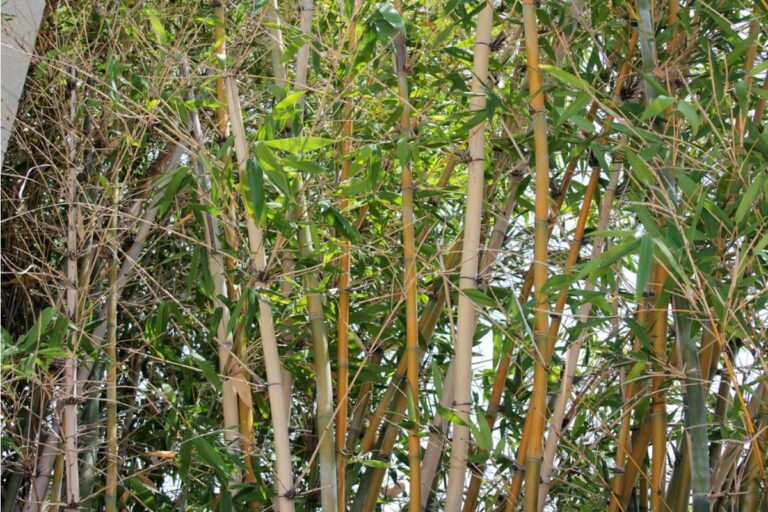
Suggestions for alternative barriers also came up, including okra and bamboo, but neither offered a guaranteed solution. Okra is a seasonal crop in many climates, can attract deer, and would not necessarily provide reliable year-round privacy. Bamboo can spread aggressively depending on the species and growing conditions, potentially creating a much larger landscaping headache. Before choosing a replacement, the homeowner would need to consider his climate, local regulations, maintenance requirements, and whether the original problem had been identified.
The Next Planting Could Reveal the Truth
The homeowner now faces a frustrating choice between replacing the damaged arborvitae and waiting until he knows more about their condition. Planting a few carefully selected replacements after consulting a qualified tree or plant specialist might be more sensible than immediately spending money on another full row. Documenting the existing damage, preserving suitable samples, and arranging appropriate testing could help establish a clearer picture. If evidence eventually points to deliberate damage, the homeowner could then consider seeking local legal advice rather than relying on suspicion alone.
Eighteen Dead Trees, but No Definitive Answer
For now, the homeowner has a row of damaged evergreens, a tense relationship with the people behind his house, and a pattern that seems too unusual to ignore. The landscaper’s observation raised the possibility of chemical damage, while other explanations remain entirely plausible. The most useful next steps are to establish the cause, assess whether the soil is safe for replacement planting, and document any future activity. Until evidence emerges, the mystery of the 18 arborvitae remains unresolved, and the homeowner’s hoped-for green privacy screen has become an unexpected backyard detective story.