Homeowner Says an Older Neighbor Started Harvesting Her Front-Yard Vegetable Garden Without Asking, Then Left a Thank-You Message Explaining Why He Thought the Produce Was His to Take
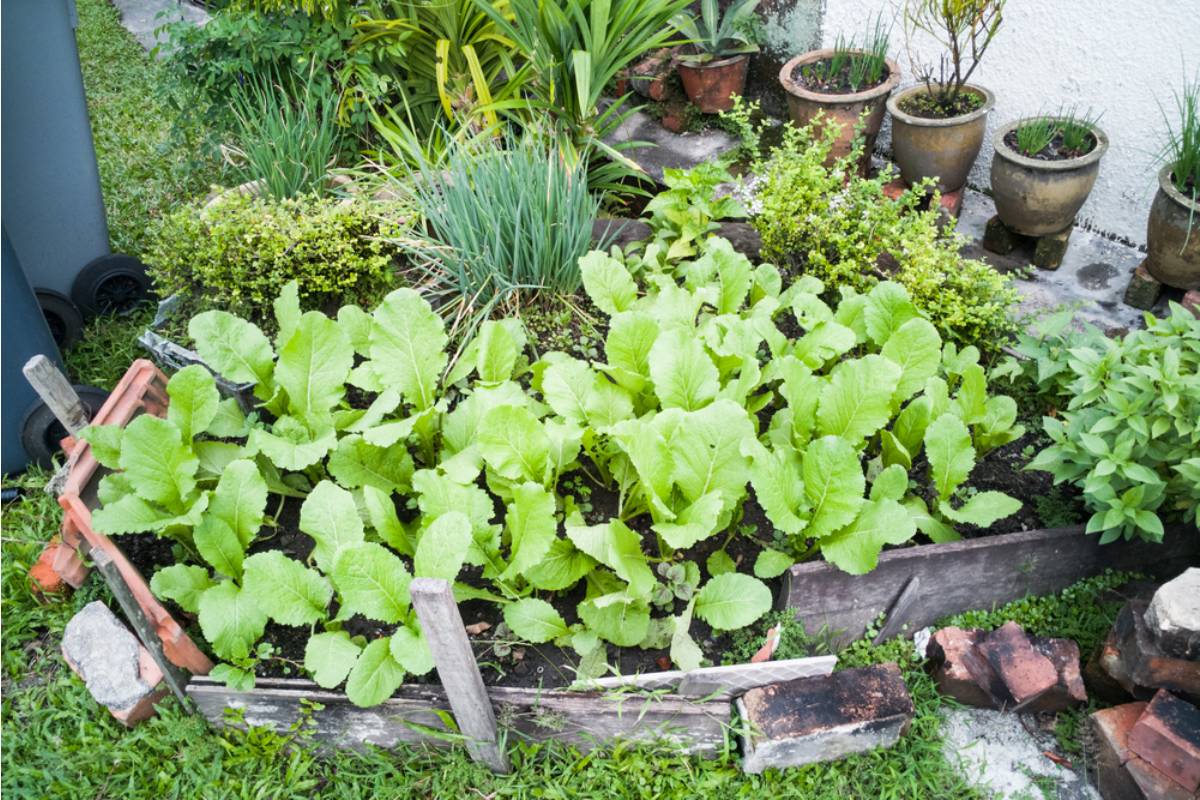
When a homeowner moved into a small house during the early days of the pandemic, she quickly discovered that her front yard was the only realistic place for a serious vegetable garden. The lot was only about 50 by 80 feet, so every available patch of sunlight mattered. What began as a few vegetables gradually turned into a productive garden filled with plants she could cook with, preserve, and share.
The garden became much more than a hobby for her. She had grown up watching her father give away extra tomatoes, peppers, and other produce to friends, relatives, and neighbors. That tradition made sharing feel natural, but there was one rule she considered obvious: people needed to ask before taking anything. She never expected that simple boundary would become a problem with someone living nearby.
The Front Garden Became a Neighborhood Favorite
As the years passed, the homeowner expanded the garden whenever she could. Soon, people walking past the house regularly complimented the colorful vegetables and carefully maintained beds. The front yard stood out on the street, and it was easy to understand why passersby found it inviting.
The homeowner actually enjoyed the attention. She had no problem giving away flowers or extra vegetables when someone politely asked. Sometimes friends and relatives left with bags full of produce, and she was happy knowing something she had grown would be used instead of wasted. In her mind, sharing was rewarding precisely because it was a choice.
Then One Neighbor Decided to Skip the Asking
This year, however, an older gentleman who lived in a shared rental house down the street apparently developed his own interpretation of the garden. Instead of knocking or speaking to the homeowner first, he began helping himself to whatever vegetables were within reach. The first time she discovered what was happening, she was more confused than angry.
Then she noticed that it was not an isolated incident. The man would take produce and later leave a message through the home’s doorbell camera explaining that he appreciated the vegetables and had only taken a certain amount. Somehow, his version of asking involved taking the produce first and explaining himself afterward.
His Thank-You Message Made Things Even Stranger
The homeowner found the messages particularly frustrating because they treated the situation as though she had already given permission. He was not saying, “May I have some?” Instead, his message essentially explained how much he had decided to take and thanked her for allowing it. To the homeowner, that was not generosity; it was someone rewriting the rules after the fact.
A response from a person pointed out that this kind of behavior could become much worse if it was allowed to continue. The concern was that the neighbor might eventually begin assuming he had an established right to harvest the garden. What looked like a few vegetables disappearing could quietly turn into someone claiming ownership over the entire front-yard harvest.
The Homeowner Was Not Against Sharing
There was an important distinction in the homeowner’s frustration. She was not someone who wanted to keep every tomato, pepper, or bean for herself. In fact, helping other people was one of the reasons she loved having a productive garden in the first place.
She explained that she would gladly offer produce to someone who asked politely. She had already allowed people to pick flowers from the yard because they had taken the time to request permission. The problem was never the giving; it was the assumption that someone else could decide what she was willing to give.
Memories of Her Father’s Garden Made It Personal
Her feelings about gardening also came from childhood. She remembered her father growing more food than the family could possibly eat and happily sharing the excess with neighbors and relatives. He would even send her riding her bicycle to deliver fresh produce to people who lived farther away.
Those memories made the current situation especially ironic. The homeowner had inherited a generous gardening tradition, but the neighbor had somehow removed the most important part of that tradition: consent. Her father gave because he wanted to, while this neighbor appeared to believe that visible abundance automatically meant public property.
A Response From a Person Suggested Acting Quickly
A response from a person described having dealt with a similar situation where a neighbor gradually became more aggressive about taking garden produce. At first, the behavior seemed harmless, but eventually the person was picking vegetables before they were properly ripe and taking increasingly large amounts.
The advice was simple: stop the habit before it becomes normal. A clear sign explaining that the garden was private and that produce should not be taken without permission seemed like an obvious first step. The reasoning was that once someone believes they have unofficial permission, correcting that assumption becomes much harder.
The Sign Finally Went Up
The homeowner decided that a straightforward sign was necessary. She wanted anyone walking past the corner property to understand that the garden was private and that the vegetables were not free for the taking. It was not intended to start a feud; it was simply meant to eliminate the excuse that nobody knew.
The sign also reflected the home’s location. The property sat on a busy corner with plenty of pedestrians passing throughout the day. With so much foot traffic, relying entirely on people to somehow understand the homeowner’s intentions without being told was clearly not working.
Some People Thought the Garden Needed a Bigger Barrier
Once the story spread among people discussing the situation, another suggestion appeared repeatedly: build a large fence. On paper, it seemed like an easy solution, especially for anyone imagining a stranger simply wandering into the garden and filling a basket.
The homeowner explained that a massive fence was not realistic. Local rules limited front-yard fences to four feet and required them to remain visually open, with specific spacing and visibility requirements. She also wanted any future fence to match the character of the neighborhood rather than turning the front yard into a fortress.
The Neighborhood Was Complicated
The homeowner also made it clear that calling authorities was not the answer she wanted. Her neighborhood contained families, apartments, rental homes, restaurants, bars, college buildings, and plenty of foot traffic. While most of her immediate neighbors were friendly, the broader area occasionally dealt with more serious problems.
Compared with those issues, a few stolen beans simply did not seem worth escalating into a police matter. The homeowner preferred to remain courteous and practical rather than turn a gardening disagreement into a neighborhood conflict. Her goal was surprisingly modest: she wanted people to stop taking her vegetables without permission.
Even the Other Neighbors Were Not the Problem
Interestingly, she had plenty of reasons to believe that most people nearby understood normal boundaries. Her direct neighbors were described as friendly, and children often stopped to look at the garden and chat. Even many of the college students passing through the area were generally polite.
There were ordinary neighborhood nuisances, of course. One neighbor had chickens, roosters, and ducks that occasionally wandered where they should not, but the homeowner treated those incidents as part of everyday community life. Someone taking vegetables repeatedly without asking felt different because it was a deliberate choice.
Then the Garden-Theft Stories Started Piling Up
A response from a person shared an even more unbelievable garden-theft story involving someone who repeatedly took cuttings, vegetables, and even entire potted plants. In one case, a neighbor allegedly walked away with most of the branches from a lilac-like plant because she believed there were enough leftovers to spare.
Another example involved a large container of succulents disappearing from beside the front walkway. The explanation afterward was apparently that the homeowner had so many plants that one pot would not be missed. That story made the original homeowner’s concern seem less petty and more like a warning about how quickly entitlement can grow once nobody challenges it.
The Funniest Solution Was Not Exactly a Solution
Some of the responses turned the situation into a gardening joke. One person described a hypothetical sign where harmless-looking warnings were replaced by something much more intimidating, while another imagined using a sprinkler system to surprise anyone wandering too close.
The jokes were funny, but they also revealed something important. Everyone understood that the real issue was not the value of a few vegetables; it was the strange confidence required to walk onto someone else’s property, harvest their plants, and then act as though leaving a message afterward made everything acceptable.
The Homeowner Had One Simple Rule
Despite all the frustration, the homeowner remained remarkably consistent about what she wanted. Anyone could ask, and she would decide what she was willing to share. Someone who took vegetables first and explained themselves later was crossing a boundary that had never been offered to them.
That was why the new sign mattered. It was not declaring war on the neighborhood or banning kindness from the garden. It was simply putting one sentence into words that everyone should have understood from the beginning: the front yard may be visible from the sidewalk, but the vegetables growing there are still someone’s property.
Then the Garden Had Its Own Unexpected Twist
The most surprising part of the story was that the homeowner never actually wanted to become the neighborhood’s “garden gatekeeper.” She loved seeing people admire the plants and enjoyed giving away anything she had in abundance. The entire conflict could probably have been avoided by one polite conversation before the first vegetable disappeared.
And that may be the real twist in the story. The garden was never meant to be a community garden, yet the homeowner had already been quietly practicing the spirit of one by sharing whenever people asked. The difference between generosity and entitlement turned out to be only a few simple words—and apparently, those were the words her neighbor forgot to say.