Homeowner Says His Neighbor Convinced Him to Remove a Healthy Shade Tree Claiming It Was Diseased, Now He Has No Protection From the Summer Heat and the Tree Was Fine
The large oak in my front yard had been part of the property long before I bought the house. Every summer it shaded the driveway, cooled the front rooms, and filled the yard with birdsong from sunrise until evening.
I never questioned its health because it leafed out every spring and looked as strong as ever. That changed when my next door neighbor became unusually interested in talking about the tree. By the end of the season, I had made a decision I would regret almost immediately.
A Casual Comment Started the Doubt
One afternoon while I was mowing the lawn, my neighbor walked over and pointed toward the upper branches. He claimed the tree looked sick and suggested it might be dangerous if a large limb ever fell. I laughed at first because I had never noticed anything unusual. He insisted he had seen similar trees decline very quickly. That conversation planted a seed of worry I could not shake.
Every Conversation Came Back to the Same Topic
Over the next several weeks, he found new reasons to mention the tree. One day he pointed to a patch of rough bark. Another day he claimed the leaves looked thinner than the year before. Whenever a small twig landed in my yard after a windy afternoon, he used it as proof that the tree was failing. Eventually, I started seeing problems where I had never noticed any before.
An Expensive Decision Came Too Quickly
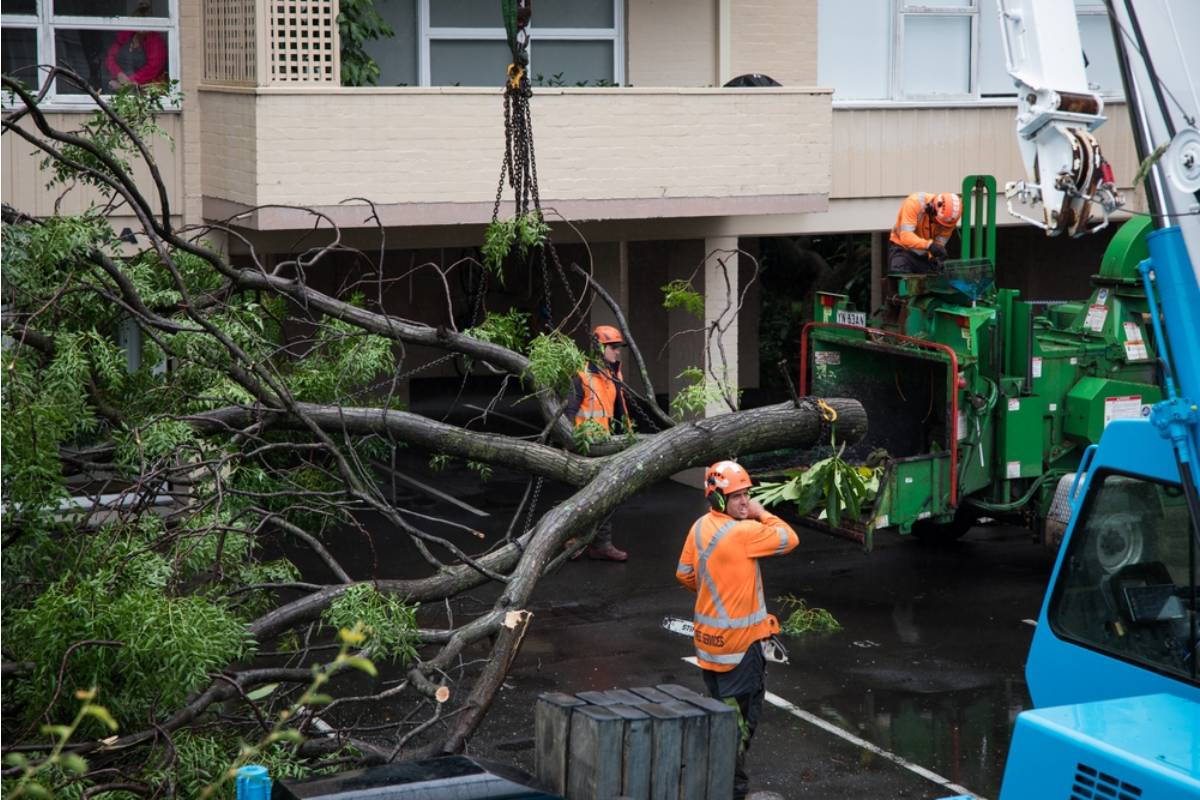
Instead of seeking professional advice, I convinced myself my neighbor’s experience was enough. I hired a tree service to remove the oak before it supposedly became a hazard. Watching the crew cut through the trunk felt strange because the inside wood looked solid and healthy. Even the workers commented that the tree appeared to be in surprisingly good condition. I ignored the uneasy feeling and assumed they simply had not seen whatever disease my neighbor believed was there.
The Yard Changed Overnight
The morning after the stump was ground down, sunlight poured across every inch of the front yard. At first, the open space looked bigger and brighter. Within days, though, the difference became impossible to ignore. The porch became too hot to sit on during the afternoon, and the grass began drying much faster than before. My house no longer had the natural shield it had relied on for decades.
My Utility Bills Told the Story
As temperatures climbed, the air conditioner seemed to run almost constantly. Rooms that had always stayed comfortable suddenly felt warmer by early afternoon. I checked windows, insulation, and vents, convinced something inside the house had failed. Then I remembered how much shade the oak had provided every single day. The missing tree had changed far more than the appearance of the yard.
A Chance Conversation Raised New Questions
While talking with a neighbor from the next block, I mentioned removing the oak because it had supposedly been diseased. He looked surprised and asked who had diagnosed it. When I admitted I had relied on my next door neighbor’s opinion, he frowned. He explained that he had admired the tree for years because it always looked exceptionally healthy. His reaction made me wonder if I had acted far too quickly.
The Tree Crew Returned for Another Job
Several weeks later, the same tree company came back to remove a damaged maple at another house nearby. One of the crew members recognized me and asked how I was adjusting to the extra sunlight. I admitted I still questioned whether removing the oak had been necessary. He hesitated before saying they had been surprised by how healthy the tree looked once it was cut down. Hearing that from a professional was far more painful than I expected.
My Neighbor Finally Revealed His Reason
Not long afterward, my neighbor casually mentioned how much he enjoyed the clearer view from his living room now that the tree was gone. He laughed and said the afternoon sunlight finally reached his flower beds without the branches blocking it. I stared at him, realizing he had never once mentioned concern for my property during that conversation. Everything had been about improving conditions in his own yard. That moment changed the way I viewed every earlier discussion.
I Asked the Question I Should Have Asked First
Unable to let it go, I contacted a certified arborist and explained what had happened. I showed him photographs I had taken of the tree before it was removed. He studied them carefully and pointed out healthy leaf coverage, strong branch structure, and no obvious signs of serious disease. While he admitted no one could guarantee the condition of a tree from photographs alone, he saw nothing suggesting immediate removal had been necessary. His opinion confirmed my worst suspicion.
The Empty Space Became a Daily Reminder
Every afternoon, the sun beat directly against the front windows and driveway. My children stopped playing in the yard during the hottest part of the day because there was nowhere to escape the heat. Birds that had nested in the branches no longer visited as often. The front of the house felt strangely exposed despite looking more open. I had underestimated everything that one mature tree quietly provided.
A New Plan Took Root
Instead of dwelling on the mistake forever, I visited a local nursery and met with a landscape specialist. Together we selected several younger native trees that would eventually restore shade to the property. I understood they would take years to mature, but doing nothing felt even worse. Planting them became my way of correcting a decision I could not undo. Every watering session reminded me to trust qualified advice rather than casual opinions.
The Lesson Stayed Longer Than the Stump
My relationship with my neighbor became polite but distant after I learned why he had pushed so hard for the removal. I no longer accepted important recommendations without confirming them through someone with real expertise. Looking back, I realized that one conversation had cost me decades of shade in exchange for a better view from the house next door. The young trees growing in my yard represent more than a landscaping project. They remind me that decisions affecting something valuable deserve careful evidence, not just confident opinions.