Homeowner Says His Neighbor Convinced the HOA to Classify His Vegetable Garden as a “Agricultural Operation” That Violates Residential Zoning
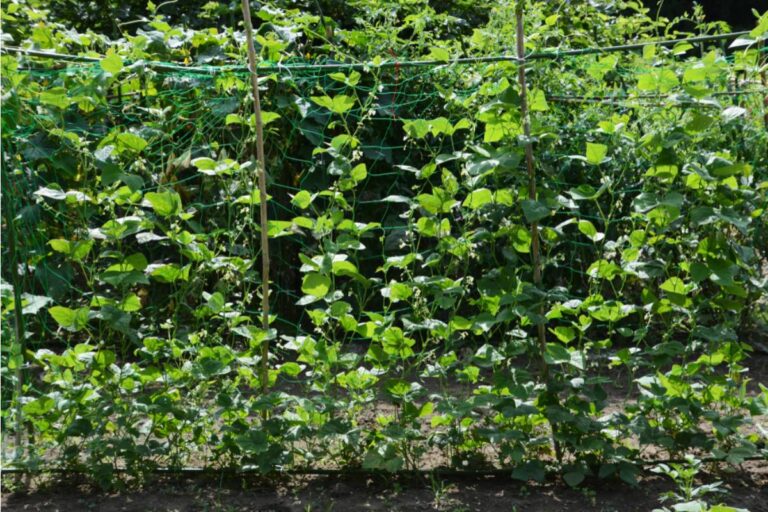
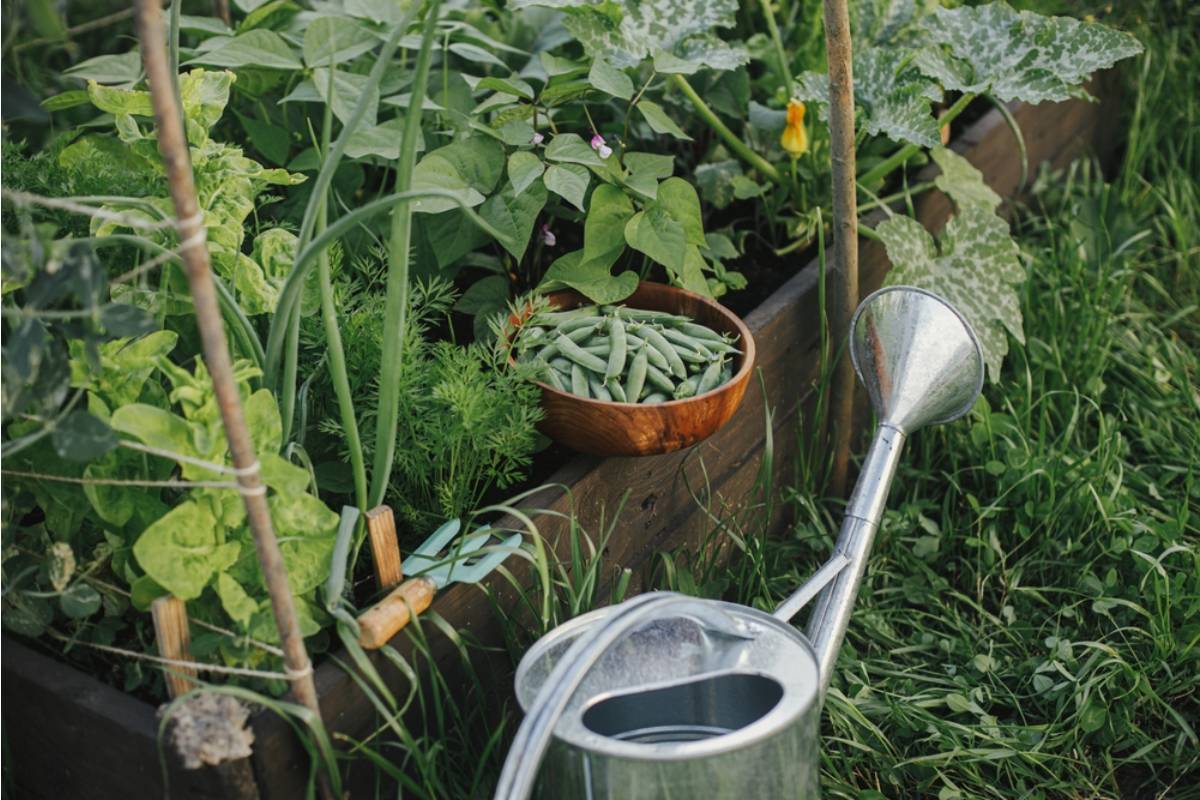
Jason never imagined that the raised vegetable beds behind his suburban home would become the center of a neighborhood dispute. He had spent years turning an unused patch of lawn into a productive garden filled with tomatoes, beans, peppers, squash, and herbs for his family.
Most neighbors admired the neat rows and often stopped to ask what he was growing each season. Then a letter from the homeowners association arrived with a claim so unexpected that Jason read it three times to make sure he had not misunderstood it. According to the notice, someone had argued that his backyard garden qualified as an agricultural operation that did not belong in a residential neighborhood.
An Official Letter Changes Everything
The envelope looked like every other HOA mailing Jason had received over the years. He expected another reminder about community landscaping or annual dues. Instead, the letter informed him that a complaint had been filed alleging that his vegetable garden violated neighborhood rules. It requested that he remove the garden or respond before the next board meeting. Jason was stunned because he had never received a single warning before.
A Neighbor Finally Speaks Up
Later that afternoon, Jason’s next door neighbor, Harold, walked over carrying his mail. Without much hesitation, Harold admitted he had filed the complaint himself. He claimed the number of vegetable beds had grown beyond what belonged at a private residence. Harold insisted the property now resembled a small farm rather than a backyard. Jason could hardly believe the conversation was happening.
The Phrase That Made No Sense
Harold explained that he had described the garden to the HOA as an agricultural operation instead of ordinary landscaping. Jason laughed at first because the description sounded ridiculous. There were no tractors, employees, roadside stands, or commercial deliveries. The garden simply supplied vegetables for Jason’s household and the occasional basket shared with friends. Harold remained completely serious.
Other Neighbors React With Surprise
News of the complaint spread quickly through the neighborhood. Several homeowners stopped by to ask whether the rumors were true. Many admitted they had always thought Jason’s garden improved the appearance of the backyard rather than hurting it. One family even pointed out that Jason frequently shared extra produce during the summer. Few people understood why anyone considered it a problem.
The HOA Requests Photographs
Before making a decision, the HOA board asked Jason to submit photos of the property. He included wide shots showing tidy raised beds, clean pathways, and organized planting areas. There were no abandoned tools, overgrown weeds, or neglected structures anywhere in the yard. Looking through the photos himself, Jason felt even more confused by the complaint. The garden looked like something from a home gardening magazine.
A Board Member Visits in Person
One member of the HOA board asked to see the property before the scheduled meeting. Jason happily gave a tour of the backyard and explained how each bed rotated crops throughout the year. The visitor asked thoughtful questions about compost, irrigation, and seasonal planting. By the end of the visit, she admitted the garden looked far different from what she had expected after reading the complaint. Jason sensed the story being told on paper had not matched reality.
Harold Brings New Arguments
At the HOA meeting, Harold introduced photographs showing baskets of vegetables sitting on Jason’s porch. He argued that harvesting so much food proved the garden was operating like a business. Jason calmly explained that the vegetables were being shared with relatives, neighbors, and coworkers because his family could not eat everything they grew. Several board members exchanged puzzled looks. Harold’s argument appeared weaker the longer he spoke.
A Neighbor Shares an Important Detail
Before the discussion ended, another homeowner asked to address the board. She explained that Jason had delivered fresh vegetables to several elderly residents throughout the neighborhood every summer without asking for anything in return. She even showed a thank you card her parents had written after receiving tomatoes and peppers the previous season. The room became noticeably quieter. The complaint suddenly seemed much less convincing.
The Garden Gets an Unexpected Inspection
The HOA decided to form a small committee to inspect the property together. They measured the garden, reviewed community rules, and compared the landscaping with other homes that grew vegetables. After walking through the backyard, one committee member joked that his own tomato patch looked much messier. Everyone laughed except Harold. The inspection ended with far fewer concerns than anyone anticipated.
An Embarrassing Discovery
While reviewing older HOA records, one board member noticed that another resident had once requested approval for raised vegetable beds years earlier. The board had approved the request without objection because gardens were considered ordinary residential landscaping. That decision had never been changed or reversed. Harold’s complaint relied on an interpretation that conflicted with previous HOA decisions. The discovery completely changed the direction of the discussion.
A Vote Ends the Dispute
At the following meeting, the board announced that Jason’s garden did not violate community rules or residential expectations. They concluded it remained a personal backyard garden rather than any type of agricultural operation. The complaint was officially dismissed. Several neighbors quietly applauded after the decision was read. Jason finally felt the weight of the past few weeks lift from his shoulders.
A Harvest Brings the Neighborhood Together
A few weeks later, Jason hosted a small vegetable swap in his backyard, inviting neighbors to take home fresh produce while sharing recipes and gardening tips. Even people who had never grown vegetables left with new ideas for their own yards.
Harold chose not to attend, but the tension around the neighborhood gradually faded. Jason continued tending the same raised beds that had caused so much controversy, now knowing they represented something far more valuable than vegetables. They had reminded the neighborhood that assumptions often grow much faster than facts.