Homeowner Says He Turned a Forgotten Patch of Apartment Landscaping Into a Wildlife Garden, Then Management Ordered Every Plant Removed Because It Preferred the Old Brown Look
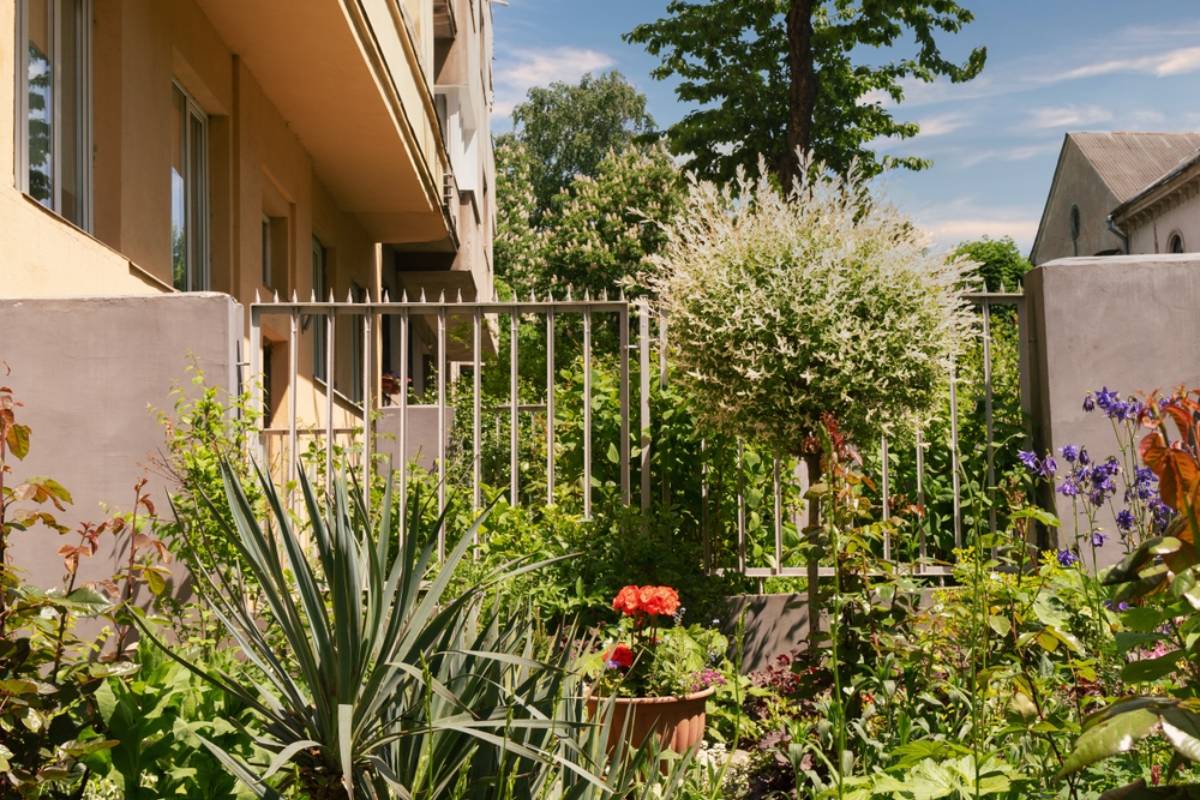
A person shared his story about a small patch of apartment landscaping that had once looked like little more than a tired strip of uniform weeds and neglected soil. Instead of accepting the usual view, he began transforming the space with native plants and slowly turned it into a place filled with color, movement, and life. What started as a quiet gardening project eventually became a thriving little habitat that attracted birds, bees, butterflies, and plenty of curious human visitors.
For roughly a year, the garden became part of his daily life, and he described the mental boost that came with watching it grow. The plants changed with the seasons, insects arrived, and the once-forgotten corner developed its own personality. Then one ordinary day, the entire project took an unexpected turn when property management decided the garden had to go.
He Was Growing More Than Plants
The person explained that the garden was not simply decorative, because it had become a living space for all kinds of wildlife. Birds stopped by, bees moved between flowers, and butterflies became regular visitors as the native plants matured. The patch had gone from an overlooked piece of apartment landscaping to something that felt genuinely alive.
That transformation also made the garden deeply personal for him. After putting in the effort to establish the plants and care for them, he had watched the space evolve instead of remaining trapped in the same lifeless appearance it had before. Every new flower and returning pollinator felt like proof that the experiment was working.
Then Management Came Looking
The trouble began when a community-wide inspection was carried out by the property management company. The person said management clearly preferred the original appearance over the new garden, despite the fact that the newer planting had brought far more life to the space. A notice soon arrived explaining that plants could not be grown directly on community property.
The message was surprisingly simple, but its consequences were anything but small. Management gave residents a deadline to correct violations connected with the shared landscaping areas. Suddenly, a garden that had taken a year to establish was facing a countdown toward removal.
The Old Look Was Apparently the Winner
There was an almost strange contrast between the two versions of the space. The original landscaping represented the familiar, controlled appearance that property managers often expect, while the new garden had a much more natural and seasonal character. To the gardener, the difference meant the space had gained life, but to management, it apparently looked less orderly.
A response from a person pointed out the obvious irony and suggested that the plants could simply be treated as wild natives that had appeared naturally. The idea was playful, but it captured the gardener’s frustration perfectly. After all, nature had a long history of showing up in places where nobody had specifically invited it.
A Garden Can Look Different Without Being Dead
One of the biggest disagreements surrounding the garden seemed to come down to appearance. Native plants can change dramatically during the year, and some become dormant or look less lush during certain seasons. To someone expecting clipped hedges and permanently polished landscaping, that seasonal change can look like neglect rather than a normal part of gardening.
A response from a person suggested that a more formal native garden could perhaps bridge that gap. Evergreen shrubs, compact groundcovers, and grasses could provide a tidy framework while still supporting the idea of native planting. It was not exactly the outcome the gardener had imagined, but it opened the door to a possible compromise.
The Hidden Twist Was That the First Photo Was the Old Garden
Then came an important detail that changed how the whole situation looked. The person clarified that the first photo, the one management apparently preferred, was actually how the area looked before he planted anything. In other words, the supposedly desirable version was the same neglected landscaping he had spent the previous year replacing.
That revelation gave the dispute a slightly absurd twist. The garden that had attracted birds, bees, butterflies, and human appreciation was the version considered out of place. Meanwhile, the old brown and uniform appearance remained the approved standard.
Native Plants Were Not the Problem, According to Gardeners
A response from a person argued that native plants could still be used in a polished landscape without making everything look wild. The suggestion was to choose species that could be shaped, hedged, or arranged in ways familiar to conventional landscaping. That approach could make native gardening feel less intimidating to people who were accustomed to perfectly controlled plants.
Examples were offered of shrubs and grasses that could perform roles traditionally filled by more common ornamental species. Some could be maintained as hedges, while others could create the appearance of a neat lawn or structured border. The larger idea was simple: perhaps the plants did not need to become less native, but the design could become more recognizable.
There Was Even a Potential Compromise
The gardener admitted that the suggestion might be worth trying, especially if management would entertain a formal planting plan. A tidy arrangement of native species could potentially satisfy the visual expectations of the apartment complex while preserving at least some of the ecological benefits. It was a slim opening, but after receiving a removal notice, even a slim opening mattered.
The conversation also revealed how difficult it can be to convince property managers to accept seasonal landscapes. A response from a person noted that some places are far more accustomed to dormant plants than others. What looks beautifully natural to one gardener can apparently look completely unfinished to someone expecting every corner to stay green and controlled.
The Apartment Rule Left Almost No Room for Creativity
The notice itself was blunt about the rule: plants growing on community property were not permitted, and plants had to remain in pots. That wording changed the gardening problem from choosing better plants to finding a completely different way to keep them. The garden had effectively been told that it could survive only if it became portable.
That led to a joking suggestion about using an enormous number of inexpensive pots and following the rule to the letter. A response from a person described having done something similar in another situation, only to watch the number of containers become ridiculous. What sounded like a joke suddenly looked like a possible strategy for anyone determined to keep gardening within the rules.
The Wildlife Had Already Fallen in Love With the Space
By the time management intervened, the garden had already become more than a collection of plants. Birds and insects had begun using the area as part of their routine, and the gardener had grown attached to the sense of life returning to the landscape. Removing everything would mean losing not just flowers, but an entire miniature ecosystem.
A person responding to the story described the garden as beautiful and emphasized how heartbreaking it was to see it threatened. Another response pointed out that the wildlife and the people enjoying the space had both benefited from the transformation. That made the management decision feel even more dramatic because the garden had already proved that the neglected corner could serve a purpose.
The Gardener Was Already Thinking About What Comes Next
Instead of giving up entirely, the person began thinking about whether some of the plants might return on their own. He hoped the seeds already scattered through the soil would survive and reappear after future growth cycles. His biggest concern was that the area might be cut back aggressively or treated with herbicide, destroying the possibility of a natural comeback.
That detail added a final layer of suspense to the story. Even if the original garden disappeared, some of its legacy might remain hidden beneath the soil, waiting for another chance. The very thing management was trying to erase could potentially return without anyone planting it again.
One Response Suggested the Garden Could Simply Move
Not every response treated the situation as the end of the story. One person encouraged the gardener to move on to another neglected corner and start again somewhere a little less controlled. It was a simple suggestion, but it captured something gardeners understand well: losing one growing space does not necessarily mean losing the desire to grow.
There was also a sense that the experience itself had already been worthwhile. The gardener had demonstrated that an ordinary apartment landscape could be transformed with patience and imagination. Even if the property management company won the argument over that particular patch, the gardener had already learned exactly what could happen when nature was given a chance.
Another Gardener’s Story Made the Situation Feel Familiar
A response from a person shared a surprisingly similar experience from years earlier, describing a native garden planted at a rented home with permission. After moving away, the garden was eventually destroyed, despite the time and care that had gone into establishing it. The story served as a reminder that rented gardens can sometimes be temporary projects no matter how successful they become.
That comparison gave the apartment garden a broader context. For some gardeners, the difficult part is not knowing how to grow a thriving landscape, but knowing that someone else ultimately controls the soil. The plants may be healthy, the wildlife may love them, and the gardener may adore every corner, yet the future of the garden can still depend on a management decision.
The Best Hope Might Be Hidden in the Seeds
Perhaps the most intriguing possibility came from the seeds already scattered throughout the garden. If they survive, some native plants could eventually return even after the original planting is disturbed. The gardener was hoping for exactly that, quietly leaving behind the possibility that the landscape might not stay as empty as management intended.
And that is where the story takes its final twist. What looked like the end of a garden may actually have been the beginning of something harder to control, because seeds can wait, spread, and reappear in unexpected places. The person may lose the garden he carefully built, but the garden itself could have a few surprises left underground.