Homeowner Says Her Aunt Slowly Filled Their Shared Backyard With Plants and Clutter, Then Got Angry When the Family Finally Took Back Their Own Space
A person shared her story about living on a jointly owned property with her fiancée, mother, and aunt. The property was divided into several living units, but some of the outdoor areas remained shared between the different family members and their trusts. What had once been manageable became much more difficult after the homeowner’s uncle passed away.
The relationship with her aunt deteriorated over disagreements involving rent, money, and the property itself. Yet the biggest source of frustration was not inside the house at all. It was the shared backyard, which her aunt seemed increasingly determined to treat as her private garden.
The Backyard Was Supposed to Be Shared
Because the property was jointly owned, nobody should have been surprised that the outdoor spaces would require some cooperation. The backyard was not presented as belonging exclusively to one household. It was an area that multiple people had reason to use.
At first, the arrangement seemed to work well enough. Then the aunt began adding things to the backyard little by little. Every time a small section became available, another large planter, pot, or personal item seemed to appear there.
The Plants Kept Multiplying
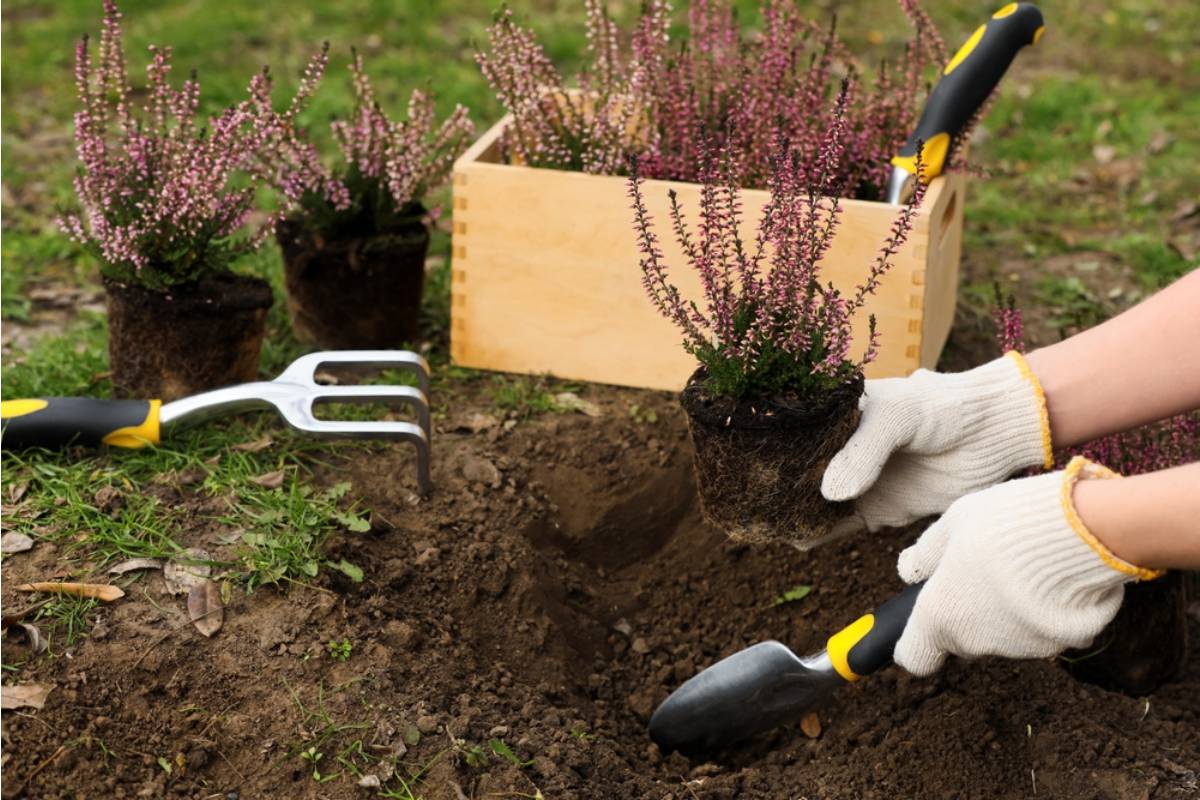
The aunt had apparently developed a serious enthusiasm for potted plants. One pot became several, several became rows, and eventually the backyard began to feel as though someone had slowly constructed a private nursery in a supposedly common area.
The problem was not that anyone disliked plants. The homeowner herself seemed perfectly comfortable with gardening and outdoor belongings. What bothered her was that the aunt kept consuming shared space until there was less and less room left for everyone else.
Every Empty Spot Disappeared
The homeowner noticed a pattern that was difficult to ignore. Whenever something was moved or a little space opened up, the aunt seemed to fill it. It was as though an empty patch of concrete or soil was an invitation for another possession to appear.
That made the family increasingly reluctant to leave anything unused. A vacant section of backyard no longer meant open space; it seemed to mean future storage for the aunt. Before long, the question was not what belonged in the backyard, but how much of it the aunt would eventually claim.
Then the Trash Bins Moved
The family eventually decided to move their own trash bins out of the backyard. They placed them in the front area that they actually used, which seemed like a completely ordinary decision. Nobody was taking the aunt’s bins or throwing anything away; they were simply relocating their own property.
Yet the aunt appeared upset by the change. Her reaction surprised the family because the bins belonged to them and had previously been kept in a shared area mostly out of convenience. Moving them meant reclaiming a small part of their own routine, but apparently even that was enough to create tension.
The Recycling Caused Another Argument
The same thing happened with recyclable cans and bottles. The family started giving them to people who collected recyclables instead of leaving them in the backyard for the aunt to redeem herself.
Again, they were disposing of their own items in a different way. Nothing about the decision required the aunt’s permission. Yet the family noticed that whenever they stopped doing something that happened to benefit her, another complaint seemed to appear.
The Complaints Started Adding Up
The aunt had also blamed the family for things they did not believe were their responsibility. One particularly confusing accusation involved her claiming that they had somehow ruined her Medi-Cal because of issues connected to the property.
The homeowner could not understand how ordinary household and property decisions had become linked to the aunt’s personal financial circumstances. The more accusations arrived, the more it seemed that every disagreement was being turned into evidence that the family was somehow causing her problems.
Nothing Seemed Too Small to Become a Dispute
The frustrating part was that the disputes were not always about major decisions. Moving trash bins became an issue. Giving recyclables to collectors became an issue. A few feet of shared backyard became an issue.
A person shared her story because the accumulation was exhausting. None of the individual incidents seemed enormous by themselves, but together they created a feeling that her aunt wanted to monitor and control every decision other household members made.
The Backyard Started Feeling Like a Territory
The potted plants were becoming more than decorations. They marked territory. Each new container occupied another piece of common ground, and eventually the physical arrangement of the backyard began reflecting the family conflict.
The homeowner started wondering whether the only way to reclaim the space was to create clearly defined areas. A response from a person suggested dividing the backyard into thirds and moving personal belongings into the appropriate section. The idea was simple, but implementing it would require everyone to accept that shared space could not be claimed one object at a time.
The Family Did Not Want a Bigger Fight
Despite everything, the homeowner was not asking for revenge. She and her fiancée expected to move eventually and wanted the remaining time on the property to be manageable. Escalating every disagreement into a massive family confrontation seemed likely to make daily life even worse.
That was why practical boundaries were more appealing than dramatic arguments. The goal was not to make the aunt miserable or remove every plant she owned. It was to stop the gradual expansion of her personal belongings into areas that everyone else was supposed to share.
Legal Ownership Was Complicated
The fact that the property was held through two trusts made everything more complicated. A response from a person recommended speaking with an attorney and possibly working toward a formal resolution for the outdoor areas. That advice was especially relevant because informal family assumptions can become extremely difficult when ownership, tenancy, and shared spaces overlap.
The homeowner was in California, where the specific trust documents, title arrangements, and use of the property could matter enormously. The family therefore could not safely assume that a verbal understanding about the backyard represented the actual legal arrangement. Getting the ownership and usage rights clearly established could remove much of the uncertainty.
The Aunt’s Behavior Was Not Easy to Change
The homeowner could not simply convince her aunt to become more considerate. People who are accustomed to controlling shared spaces rarely change because someone politely points out the problem.
That was why another response suggested using a “gray rock” approach. Rather than arguing over every complaint, the family could respond briefly, avoid emotional reactions, and refuse to turn minor disagreements into long conversations. The less emotional fuel the conflict received, the fewer opportunities there might be for another argument.
The Garden Needed a Boundary
The backyard itself could become the easiest place to create a practical system. Instead of constantly arguing over individual pots, the family could establish clearly marked sections and decide what each household was allowed to use.
That would transform the conversation from “You keep taking over the yard” into something much more concrete. A particular section could belong to one household for gardening, another could remain open for shared use, and personal belongings could stay within clearly defined boundaries. The plants could remain, but the expansion would have somewhere to stop.
The Family Had to Stop Rewarding the Behavior
One important realization was that the aunt seemed to react whenever the family stopped providing something that benefited her. That did not necessarily mean she was deliberately planning every complaint, but it did reveal how accustomed she had become to certain conveniences.
The family’s decision to stop leaving recyclable items for her and to move their own bins was therefore significant. They were quietly removing benefits that had never been permanent agreements. Once those habits changed, everyone had to adjust to the new reality.
The Front Area Became Their Refuge
Moving their trash bins to the front area also highlighted something useful. The family had their own section of the property where they could make decisions without negotiating every small detail. That space represented a degree of independence they desperately needed.
Expanding that principle could make life easier. Whenever possible, personal belongings, plants, bins, and outdoor furniture could be kept within individually controlled areas rather than scattered throughout shared spaces. The fewer personal possessions placed in common areas, the fewer things there were to argue about.
The Family Needed Less Conversation, Not More
The homeowner wanted a workable relationship, but that did not mean every disagreement required an emotional discussion. Trying to persuade the aunt that she was behaving unfairly might simply produce another argument about who was at fault.
A response from a person suggested staying emotionally neutral and limiting engagement. That approach could be especially useful for repetitive complaints, where the same issue is raised over and over even after an answer has already been given. Sometimes peace comes not from reaching agreement, but from refusing to participate in every dispute.
The Real Battle Was Over Empty Space
The most revealing detail was that the aunt did not appear to be satisfied with the space she already used. Every time a section became available, it was quickly occupied. The conflict therefore was not simply about plants; it was about what empty space represented.
To the aunt, an empty portion of the backyard might have looked available. To the rest of the family, it was shared breathing room. Once that difference became clear, the solution became less about individual pots and more about establishing a rule that empty common space belongs to everyone.
The Backyard Was Becoming a Map of the Family Conflict
Every planter, bin, shoe, or personal object had started carrying emotional meaning. The physical arrangement of the backyard reflected years of disagreements, resentment, and assumptions about what each person was entitled to do.
That made the suggestion of dividing the area particularly interesting. Even if the exact division would need to be agreed upon legally or practically, creating visible boundaries could reduce the constant territorial battle. The garden could finally become a garden again instead of a scoreboard for family disagreements.
The Twist Was That the Plants Were Not Really the Problem
The aunt’s collection of plants looked like the obvious source of the conflict, but the deeper issue was control. The homeowner was not angry because there were too many flowers or potted plants. She was angry because shared space was gradually being treated as private space without a clear agreement.
A person shared her story because she wanted to know how others would handle the situation without making the family relationship even worse. The responses pointed toward a combination of clearer boundaries, less emotional engagement, and professional advice about the actual property rights. In the end, the hardest thing to remove from the backyard may not be a single plant or pot, but the assumption that whoever claims empty space first gets to keep it.