Gardener Says She’s Been Hosting a Free Weekly Gardening Class in Her Backyard for Retirees, Then a Neighbor Reported Noise Complaints Only on the Days Refreshments Were Served
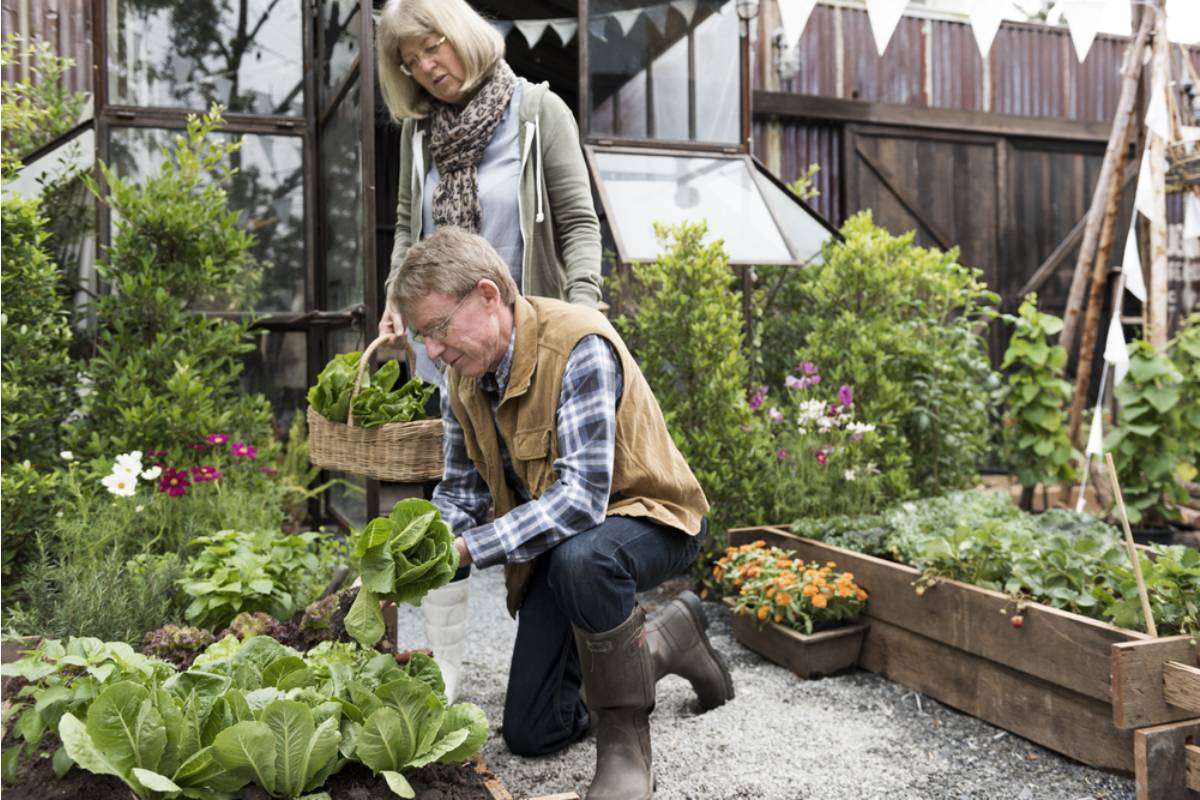
When I retired from teaching middle school science, I quickly realized I missed helping people learn. I did not want another full time job, but I still wanted a reason to bring people together. My backyard had become a colorful garden filled with raised beds, flowering shrubs, fruit trees, and a small greenhouse that friends often admired.
One afternoon a few neighbors asked if I could show them how I started vegetables from seed, and that simple conversation grew into something much bigger. Before long, I was hosting a free weekly gardening class for retirees who wanted to stay active, make friends, and learn new skills without paying for expensive workshops.
The Backyard Became a Community Gathering Place
The classes were intentionally informal. We gathered around folding tables while everyone shared gardening successes, mistakes, and questions they had collected during the week. Some people brought notebooks, while others simply enjoyed listening and taking home fresh ideas.
Many attendees lived alone and admitted these gatherings had become the highlight of their week. Gardening gave us a reason to socialize without pressure, and everyone contributed something different based on years of experience.
Every Lesson Included Hands On Practice
Rather than standing in front of a whiteboard, I encouraged everyone to participate. One week we divided perennial flowers. Another week we built inexpensive tomato supports from materials available at local hardware stores.
People laughed whenever someone accidentally planted a seed upside down or forgot which tray contained peppers instead of herbs. Nobody judged mistakes because every class felt more like neighbors helping neighbors than a formal lesson.
Refreshments Became Part of the Tradition
After a few months, one participant suggested bringing homemade cookies to celebrate successful harvests. Another volunteered lemonade. Someone else started baking muffins from zucchini grown in their own garden.
Soon refreshments became a regular tradition after each class. We spent thirty or forty minutes talking over coffee and snacks while exchanging recipes, seed packets, and gardening books. Those conversations often lasted longer than the actual lesson.
An Unexpected Visit Interrupted One Afternoon
During one gathering, a city code enforcement officer walked through the open gate looking slightly uncomfortable. He politely explained that someone had reported excessive noise coming from my backyard.
Everyone looked around in confusion. The loudest sound at that moment came from a retired firefighter describing how squirrels kept stealing his tomatoes. Even the officer smiled after realizing there was no shouting, music, or disruptive activity.
The Complaint Seemed Completely Out of Place
The officer apologized for interrupting the class and left after confirming nothing inappropriate was happening. He encouraged us to enjoy the afternoon and admitted the complaint appeared exaggerated.
Although the situation ended peacefully, it left everyone wondering who had reported us. We had always finished well before evening, parked respectfully, and kept conversations at ordinary speaking volume.
The Reports Kept Returning
The following week another complaint arrived. Then another one two weeks later. Each visit followed the same pattern. An official would arrive expecting a disturbance only to find retirees discussing mulch, compost, or flower bulbs.
The repeated interruptions became frustrating because they broke everyone’s concentration. Some participants worried they were creating problems simply by attending, even though they had done nothing wrong.
One Detail Finally Stood Out
My friend Carol noticed something the rest of us had overlooked. Every complaint happened only on days when refreshments were served after class.
Weeks without coffee and homemade treats passed quietly without any city visits. The pattern became impossible to ignore once she pointed it out. Somehow the complaints seemed connected to the social gathering rather than the gardening lessons themselves.
A Conversation Across the Fence Raised Questions
A few days later I happened to see my neighbor, Melissa, trimming hedges near the property line. During casual conversation she mentioned that “those little parties” looked like they attracted quite a crowd.
I gently corrected her by explaining they were free educational classes followed by light refreshments. She forced a smile but quickly changed the subject. Something about the exchange felt unusually tense.
Another Neighbor Shared an Interesting Observation
A retired mail carrier named Frank attended nearly every class. One afternoon he quietly told me he had seen Melissa watching our backyard from her upstairs window almost every Thursday.
He also noticed she seemed especially interested once everyone gathered around the refreshment table. According to Frank, she usually went back inside shortly afterward. At the time, neither of us knew what to make of it.
The City Official Offered Helpful Information
When another complaint triggered a visit, I respectfully asked the code officer whether he could explain what had been reported. He could not reveal the caller’s identity, but he did summarize the allegations.
The complaints described loud social parties, commercial events, and excessive outdoor entertaining involving large groups. None of those descriptions matched reality. The officer admitted he had personally observed nothing beyond ordinary neighborhood conversation.
Attendance Began to Decline
Unfortunately, repeated visits from city officials made several participants uncomfortable. One widow confessed she worried her family would tell her to stop attending if they thought she was causing neighborhood disputes.
Another gentleman quietly skipped two classes because he disliked conflict. Watching empty chairs appear around the tables hurt more than the complaints themselves. The whole purpose of the group was to create friendship, not anxiety.
Melissa Finally Spoke Honestly
One afternoon Melissa knocked on my front door carrying a small basket of tomatoes from her own garden. She looked nervous before admitting she had been the one making the complaints.
She insisted the conversations themselves never bothered her. Instead, she felt excluded whenever she saw everyone sharing coffee, desserts, and laughter after class. She assumed the gatherings were private social events that intentionally left her out because nobody had personally invited her.
A Misunderstanding Came Into Focus
I stared at her for a moment because the explanation caught me completely off guard. Every class announcement had been posted on the neighborhood bulletin board, community website, and library calendar.
Melissa admitted she had seen the announcements but believed they were intended only for experienced gardeners. When refreshments appeared, she convinced herself everyone attending already belonged to an established friend group. Instead of asking whether she could join, she allowed resentment to grow.
An Invitation Changed the Entire Situation
The following Thursday I greeted Melissa at the gate before anyone else arrived. I introduced her to every participant and handed her a name tag just like everyone else received.
Within minutes she was laughing with Carol about houseplants that refused to survive indoors. By the end of the afternoon she had promised to bring homemade banana bread to the next gathering. The tension that had lingered for weeks seemed to disappear almost instantly.
The Classes Became Even More Popular
Word spread that the gardening group welcomed anyone interested in learning, regardless of experience. New faces began appearing regularly, including younger homeowners hoping to grow their first vegetable gardens.
Melissa surprised everyone by volunteering to organize the refreshment table each month. She even created a rotating schedule so nobody felt obligated to provide snacks every week. Her enthusiasm encouraged others to contribute as well.
A Garden Grew More Than Vegetables
Looking back, I realized the flowers and vegetables were never the most important things growing in my backyard. The real harvest came from conversations, friendships, and people discovering they still had something valuable to share after retirement.
One misunderstanding nearly brought the entire tradition to an end because assumptions replaced simple communication. Today, after every lesson, folding chairs fill with neighbors enjoying coffee, homemade treats, and stories from their own gardens. The laughter drifting across the fence reminds me that communities flourish much like healthy plants. They need patience, openness, and a willingness to welcome one more person to the table.