Homeowner Says Her Flower Garden Became the Neighborhood Shortcut, Then She Considered a Decorative Fence to Take Back Her Yard
A homeowner once loved spending time on the small front lawn of her row home. She had a patio, a flower garden, and a beautiful tree that gave the space its own little personality. Sitting outside with coffee and a book had become one of those simple routines that made home feel like a retreat.
That peaceful routine changed when two new neighbors moved in on either side. One family shared a connected lawn, while the other shared the steps and walkway leading toward the house. Before long, the homeowner’s quiet garden had become much more crowded than she ever intended.
The New Neighbors Loved Being Outside
The neighbors on one side seemed to spend nearly every day outside. They sat on their porch, played audio from their phones, bought a fire pit, and eventually added a boombox to the outdoor setup. What had once been a quiet front garden now came with a steady supply of background noise.
The neighbor on the other side brought an entirely different kind of activity. She had small children who frequently played outside and often sat on the shared steps directly in front of the homeowner’s door. The children had plenty of energy, and unfortunately, the homeowner’s garden seemed to be one of their favorite places to spend it.
Then the Children Discovered the Garden
The homeowner noticed that the children rarely seemed interested in staying on their own side. Instead, they would head directly into her yard, run around the tree, and explore the flower garden. The parents apparently allowed it to happen, which made the homeowner feel as though her private lawn had quietly become a shared playground.
One incident made the situation much harder to ignore. A child wandered into the garden area and got a foot caught in the wire surrounding the flowers, leaving the toddler screaming. Suddenly, the homeowner was not just dealing with an irritating boundary problem but also worrying about what could happen if someone was injured while playing on her property.
The Two Neighbors Became Best Friends
There was another complication that made the whole situation more awkward. The two neighboring households had become close friends with each other, which meant they were constantly walking back and forth between their homes. Unfortunately, their preferred route seemed to run straight across the homeowner’s lawn.
They crossed the grass to visit one another and even walked over the homeowner’s patio. From their perspective, it seemed to have become an ordinary shortcut, but from the homeowner’s perspective, people were repeatedly crossing a space that belonged to her. The garden was starting to feel less like a front yard and more like a public walkway.
The Tree Became Part of the Problem
The homeowner’s tree was one of the best features of the little lawn. Its branches stretched toward the neighboring side, but the trunk and the tree itself were clearly located on the homeowner’s property. The tree also made the garden more attractive to the children, who loved running around it.
That created an odd situation where the very landscaping that made the homeowner’s yard beautiful also made it more appealing to everyone else. Her flowers, garden decorations, and tree offered far more entertainment than the neighboring lawn, which was described as mostly bare. The better the garden looked, the more attention it seemed to attract.
Even the Garden Decorations Were Not Safe
The homeowner eventually watched one of the children pull a garden decoration out of the ground and bend it. It was a small incident, but it represented something much larger to her. She had created the garden for herself, yet other people were treating its plants and decorations as if they were community property.
The problem was becoming especially frustrating because the neighbors remained friendly whenever they actually spoke to her. They waved, said hello, and behaved pleasantly face to face. Yet their actions around the garden told a very different story.
The Fire Pit Created Another Headache
The noise was not limited to children running around the garden. The neighbor on one side had installed a fire pit directly beneath one of the homeowner’s hanging tree branches. The homeowner immediately expressed concern about the arrangement, but the neighbor brushed it aside and insisted that everything was fine.
The homeowner was left watching people gather beneath a tree that extended over the shared space while worrying about the potential consequences. At the same time, the boombox could continue playing late into the evening. Her garden was becoming a place she no longer felt comfortable using.
She Started Wondering If a Fence Was the Answer
Eventually, the homeowner began considering a fence around her front lawn. On paper, the solution seemed obvious because a fence would clearly separate her garden from the neighboring yards. It would also stop the children and dog from wandering through her flower beds and prevent the neighbors from casually using the lawn as a shortcut.
But this was not a backyard hidden behind the house. The fence would sit right in front of the row home where everyone would see it every time they came and went. The homeowner worried that putting one up would send an unmistakable message and turn an uncomfortable situation into an outright neighborhood feud.
She Was Afraid of Losing the Friendly Relationship
The homeowner considered herself introverted and non-confrontational. She did not want to spend every day walking out her front door and immediately facing neighbors who were angry about a new barrier. There was also a sensitive family situation involving one of the neighbors, which had made the homeowner even more reluctant to create additional tension.
That hesitation left her stuck between two unpleasant choices. She could continue sacrificing the garden she loved and hope the neighbors eventually changed their behavior, or she could build the fence and accept that they might not be happy about it. Neither option felt particularly comfortable.
A Person Suggested That Privacy Did Not Require a Feud
A person who responded to the story shared that they also lived in a row home and had installed a tall fence around their backyard. They explained that having a fence did not mean they disliked their neighbors or wanted to avoid every interaction. It simply created a clear boundary between private space and social space.
That idea gave the homeowner something to think about. Perhaps a fence did not have to be presented as an accusation against the neighbors. It could simply be a normal improvement to the property that allowed everyone to understand where one yard ended and another began.
Then Someone Had an Idea for a Prettier Fence
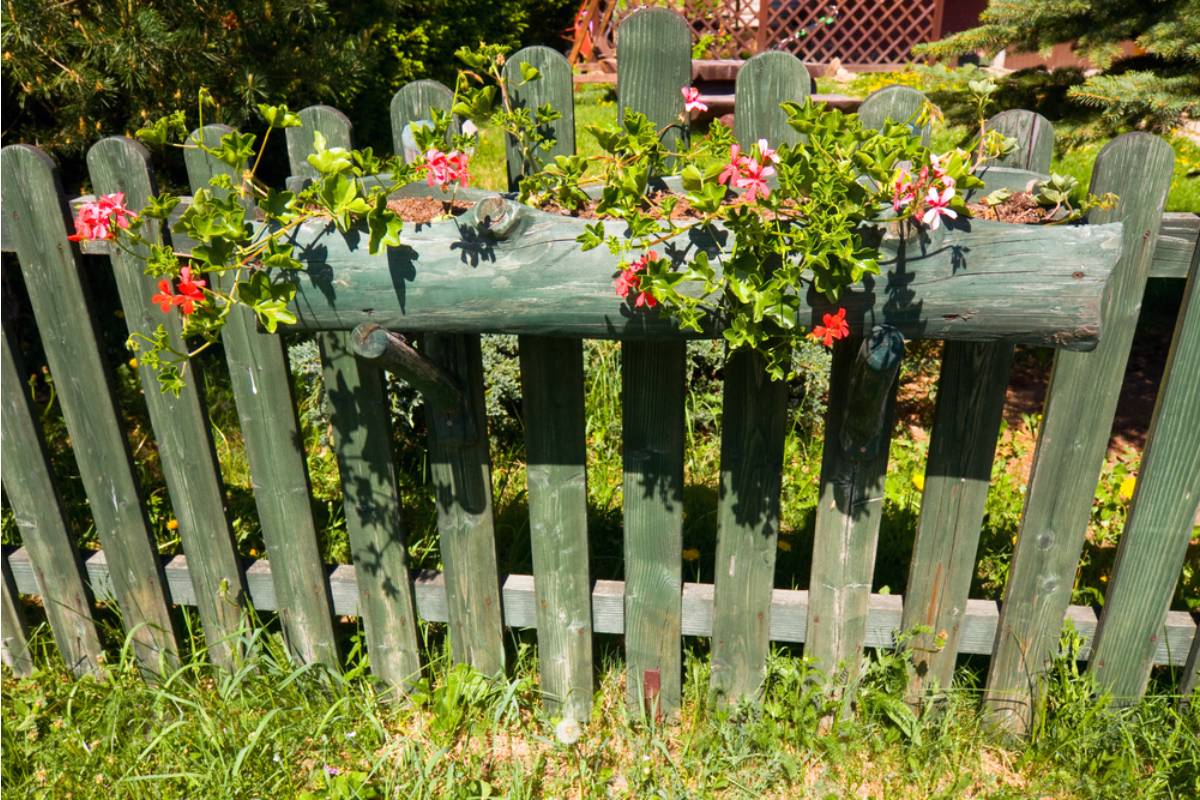
Another response from a person suggested using a shorter decorative fence instead of a tall privacy wall. A fence around forty inches high, surrounded by roses or other plants, could create a clear boundary without completely blocking the homeowner’s view. Suddenly, the idea of fencing the garden did not seem quite as harsh.
The homeowner immediately liked the thought of using thorny roses along the fence. Instead of making the front lawn look defensive, the garden could actually become more beautiful. The barrier could serve two purposes at once, protecting the flowers while adding another layer of landscaping.
The Fence Could Become Part of the Garden
The homeowner began considering the possibility of expanding the flower garden and using the fence as a backdrop. Rather than telling the neighbors they were being shut out, she could simply explain that the garden was becoming a larger landscaping project. A decorative fence would then look like part of the design instead of a giant flashing sign saying, “Stay off my lawn.”
One person even suggested calling it a “garden fence.” That small change in wording captured the homeowner’s dilemma perfectly. She wanted a boundary, but she also wanted to avoid turning every future conversation with her neighbors into an argument about why she needed one.
The Garden Had Become More Than a Pretty Space
The more the homeowner thought about the situation, the more she realized that the garden was not just decoration. It was the part of the property where she once sat with coffee, read books, listened to music, and enjoyed being outside. Losing access to that experience had gradually made her feel like a stranger in her own front yard.
The fence therefore represented more than keeping children away from flowers. It represented reclaiming a piece of daily life that had disappeared after the neighbors moved in. For someone who valued quiet and privacy, that could be worth far more than avoiding an awkward conversation.
The Children Had Already Shown Why a Boundary Mattered
The incident with the child’s foot getting caught in the garden wire made the homeowner especially uneasy. The child had entered the garden area and ended up stuck in something that was never intended to be a play structure. Even though the homeowner had not invited the child onto the property, the situation showed how quickly casual access could become a serious problem.
A fence would at least make the boundary visible. Instead of a child simply running across an open lawn without thinking, there would be a physical reminder that the garden was a separate space. It could also protect the flowers, decorations, tree, and other landscaping from becoming accidental playground equipment.
She Was Already Planning to Expand the Flowers
The homeowner eventually came up with another reason to feel better about the project. She was considering expanding her flowers and landscaping, which would naturally benefit from some kind of enclosure. A decorative fence could frame the garden and give climbing roses or other plants something attractive to grow around.
That possibility changed the emotional tone of the entire project. Instead of seeing the fence as a symbol of conflict, she could see it as the finishing touch to a garden she had wanted to improve anyway. The neighbors might still understand why the fence was useful, but the homeowner would no longer have to frame it as a personal rejection.
The Quiet Garden She Missed Might Finally Return
The homeowner admitted that she was tired of avoiding her own patio. She wanted to sit outside again without watching children run through the flower beds or listening to a boombox nearby. She wanted to enjoy her tree, her flowers, and her coffee without wondering who might suddenly walk across the lawn.
A fence could not make the neighbors disappear, and it could not guarantee that everyone would be thrilled with the change. But it could restore one simple thing that the homeowner had lost when the new neighbors arrived: the ability to decide when her garden was open to company and when it was simply hers.
The Fence That Started as a Dilemma Could Become the Garden’s Best Feature
What began as a question about whether to build a fence turned into a much bigger story about privacy, gardening, and the strange boundaries that develop between neighbors. The homeowner did not seem interested in creating enemies, but she also realized that being friendly did not mean she had to surrender her lawn to everyone else’s routines.
The unexpected twist was that the solution did not have to look hostile at all. With flowers, climbing roses, and a decorative design, the fence could become another beautiful feature of the garden while quietly reminding everyone where the homeowner’s space began. After spending so long avoiding her own front lawn, she may finally have found a way to make the garden feel like hers again.