Homeowner Says Her HOA Approved a Four-Foot Privacy Fence for Her Dream Garden, Then a Neighbor Complained It Would Ruin His Pond View From the Backyard
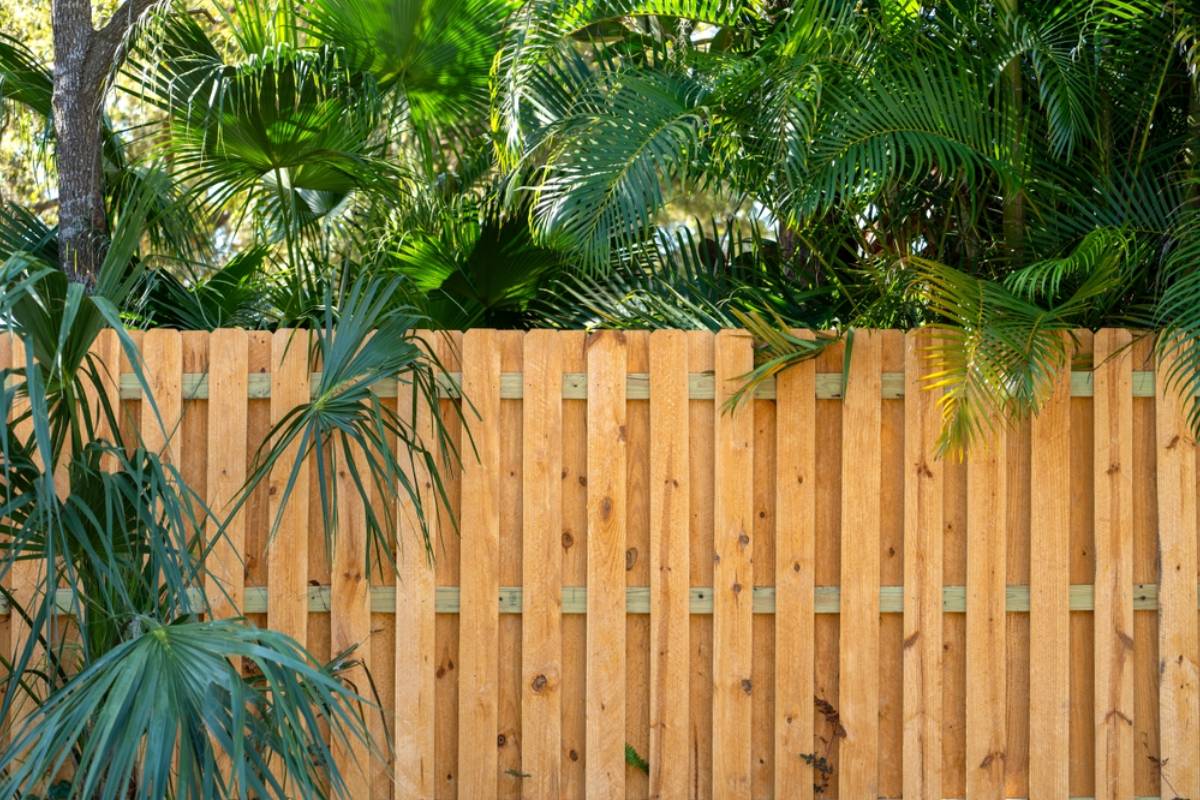
A person shared his story about building a home in a neighborhood where many properties backed up to a pond surrounded by gently sloping yards. Most homeowners had chosen black aluminum picket fences, allowing them to enjoy the view while keeping their backyards enclosed. However, one homeowner had a different vision for the space and wanted a solid four-foot privacy fence.
The plan was about more than appearances, because a private backyard could offer a much better space for gardening and enjoying time outdoors. With a solid fence, the homeowner could create a more comfortable environment without feeling exposed to neighboring properties. The decision seemed straightforward, especially since the homeowner had already considered the design before building the house.
The Neighborhood Had a Different Idea of the Perfect Fence
In this particular neighborhood, the pond view appeared to influence nearly everyone’s choice of fencing. Black aluminum pickets were popular because they allowed residents to see across the sloping yards toward the water. A solid wooden fence, meanwhile, would provide privacy but interrupt some of those sightlines.
For someone hoping to build a garden, however, an uninterrupted view of the pond was not necessarily the main attraction. Privacy could make it easier to arrange outdoor furniture, tend plants, and enjoy a quiet morning without worrying about who might be looking over. The homeowner wanted a backyard that suited personal needs rather than simply matching the choices made by everyone else.
The Four-Foot Fence Was Part of the Original Plan
The homeowner explained that the intention to install a four-foot privacy fence had existed from the beginning. This was not a sudden decision made after a disagreement with a neighbor or an attempt to change the neighborhood’s appearance overnight. The goal was to create a more usable backyard that could accommodate gardening and provide a little separation from the surrounding properties.
The homeowner also took the necessary step of submitting the proposed fence for approval through the homeowners association, commonly known as the HOA. The organization approved the plan for a solid fence around the property’s perimeter. With that approval secured, the homeowner had a contractor ready to begin the installation.
The HOA Approval Seemed to Settle Everything
Getting approval from an HOA can sometimes feel like navigating a maze of paperwork, restrictions, and design requirements. Homeowners often expect that once a project has been reviewed and approved, they can proceed without worrying that a neighbor might object to the same decision. In this case, the homeowner had followed the established process before moving forward.
That approval made the upcoming fence project seem like a simple home improvement rather than a potential neighborhood dispute. There was no reported disagreement with the HOA about the design at this stage. The unexpected problem came from someone living next door, and it arrived just as the contractor was preparing to get to work.
The Neighbor Finally Spoke Up After Six Months
The homeowner’s neighbor had reportedly lived in the neighborhood for around six months, but the two had not spoken before the fence contractor arrived. Their first real interaction came at a particularly awkward moment, when the homeowner was preparing to turn the approved plan into a physical structure. Instead of exchanging a friendly greeting about the project, the neighbor approached with a complaint.
The neighbor explained that the pond view was important to enjoying the backyard. Although the solid fence would stand only four feet high, the sloping terrain meant it could obstruct part of the view from certain positions. What had seemed like an ordinary fence installation suddenly became a discussion about whether one homeowner’s privacy should take priority over another homeowner’s preferred scenery.
The Real Problem Was Sitting Low in a Backyard Chair
The neighbor’s concern was not that the fence would completely hide the pond from every possible viewpoint. According to the homeowner’s account, the view would remain visible when standing or sitting in ordinary chairs. The trouble arose when someone wanted to lounge in a low chair or sit closer to ground level.
From those lower positions, the four-foot wooden fence could block a portion of the scenery visible through the homeowner’s yard. That detail made the dispute especially interesting because the proposed fence was relatively short, yet its effect depended on the viewer’s position and the sloping landscape. A structure intended to give one family more privacy was suddenly being judged by how well it preserved another family’s view while relaxing.
The Neighbor Wanted Aluminum Pickets Instead
Rather than accepting the approved design, the neighbor suggested replacing the solid fence with an aluminum picket fence. That style would allow the pond to remain visible through the gaps between the bars, preserving the open appearance that many residents preferred. It was a practical suggestion from the neighbor’s perspective, but it would mean abandoning the homeowner’s original choice of material.
The difference between the two designs was significant despite their similar height. An aluminum fence could mark the boundary while leaving much of the yard visually exposed, whereas a solid wooden fence could offer a greater sense of separation. For someone planning a private gardening space, those differences could influence everything from where outdoor seating went to how comfortable the backyard felt.
The Homeowner Tried to Find a Middle Ground
Despite having HOA approval, the homeowner did not immediately dismiss the neighbor’s concerns. Instead, the homeowner tried to approach the conversation respectfully and floated the possibility of connecting the new fence to the neighbor’s existing fence on that side. That idea suggested a willingness to explore an alternative without automatically giving up the entire project.
Unfortunately, the neighbor’s preferred solution was still to use aluminum pickets instead of the solid wooden design. This left the homeowner facing a familiar neighborhood dilemma: whether to preserve a carefully planned home improvement or make a change to keep relations friendly. The conversation had moved beyond choosing fence materials and into the more complicated question of how much responsibility homeowners have for protecting their neighbors’ enjoyment of a view.
A Private Garden Could Mean More Than a Pretty Pond View
For gardening enthusiasts, a backyard is not merely a patch of grass behind the house. It can become a place for raised beds, containers, herbs, flowers, outdoor tools, and a comfortable spot to enjoy the results of hours of work. A fence can help define that space and make it feel like an extension of the home rather than an exposed area shared visually with the entire neighborhood.
Privacy can also affect how people use their gardens throughout the day. Some homeowners prefer to sit outside in comfortable clothing, work on messy planting projects, or rearrange their outdoor spaces without feeling watched. Although the homeowner did not describe every planned garden feature, the stated desire for a more usable backyard made the solid fence an understandable part of the overall vision.
The Pond View Was Valuable, but Who Was Responsible for Preserving It?
The neighbor’s disappointment raises an interesting question about properties with attractive scenery nearby. When someone buys a home overlooking a pond, garden, or open field, the view can become an important part of the experience. However, unless specific restrictions apply, a neighboring property owner may have different plans for their own yard.
In this situation, the homeowner had chosen a fence that would partially obstruct the view from certain positions rather than eliminate it entirely. The neighbor’s preference for an open sightline was understandable, but it did not automatically mean the homeowner should abandon the original design. The key distinction was between appreciating a shared landscape and expecting another household to preserve it at the expense of its own privacy.
The HOA’s Decision Added Another Twist
The HOA’s approval made the disagreement more complicated because the homeowner had already taken the formal steps required by the neighborhood’s process. The fence was not described as an unauthorized structure that had appeared overnight or a project that deliberately ignored community rules. Instead, the homeowner had submitted the plan and received permission before the contractor arrived.
Still, HOA approval should not automatically be treated as a guarantee that no other restrictions could apply. Property boundaries, local regulations, recorded covenants, and any special rules concerning pond-facing lots may matter, depending on the location. Even so, the neighbor’s objection, as described in the story, centered on the loss of part of the view rather than a reported violation of the approved plan.
One Response From a Person Suggested Building the Fence Anyway
A response from a person argued that the homeowner should proceed with the fence that had already been approved. The reasoning was straightforward: a homeowner should not necessarily have to redesign a project simply because a neighbor prefers a different view across someone else’s property. Several other responses expressed similar support for respecting property boundaries and allowing homeowners to make their own choices.
Other people took a more diplomatic approach, pointing out that maintaining a pleasant relationship with neighbors can be valuable over the long term. One person described choosing to keep a more open fence after realizing how much a neighbor enjoyed the view of a natural backyard. That experience illustrated the other side of the debate: sometimes a small compromise can create goodwill, but it works best when the homeowner genuinely wants to make that sacrifice rather than feeling pressured into it.
The Suggested Compromise Was Not as Simple as It Sounded
At first glance, changing one section of fencing might seem like an easy way to solve the problem. A homeowner could potentially use a different material along one side or explore a design that provides some privacy while preserving a limited sightline. However, such changes would need to fit the property’s layout, the homeowner’s needs, and any applicable HOA requirements.
There would also be practical questions about cost, appearance, and long-term maintenance. A hybrid design might satisfy both households, but it could also leave the homeowner with a fence that no longer matches the original vision. Before agreeing to any alteration, it would make sense to determine whether a workable option actually exists and whether the homeowner would be happy living with it for years.
The Biggest Surprise Was That the Pond View Was Never the Homeowner’s Main Goal
The disagreement began with a fence, but the two homeowners appeared to value very different things about the same outdoor space. One wanted a more private backyard that could be used comfortably for gardening and relaxation. The other wanted to preserve the ability to look across that backyard toward the pond, particularly when sitting low or lounging outdoors.
Neither preference was inherently unusual, yet the conflict emerged because satisfying one could interfere with the other. The homeowner had already obtained approval and arranged the installation, while the neighbor raised the concern only when the contractor arrived. That timing turned a routine landscaping project into a decision about boundaries, expectations, and the price of keeping everyone happy.
Would You Choose Privacy or Keep the Pond View Open?
The homeowner’s dilemma ultimately came down to deciding how much weight to give a neighbor’s disappointment. Proceeding with the approved solid fence would preserve the original plan and create the intended private outdoor space. Choosing aluminum pickets or a hybrid design might protect more of the pond view, but it would also mean changing a project that had been planned from the beginning.
A reasonable next step would be to review the written approval and any relevant property restrictions, then decide whether a compromise genuinely suits the homeowner’s goals. A polite conversation may help preserve neighborly relations, but a good relationship should not depend on one household automatically surrendering its preferences. After all, a backyard garden is meant to be enjoyed by the people who live there, even when the neighbor happens to prefer a different view.