Homeowner Says Her Neighbor Called the HOA Over Her Vegetable Garden for a Year, Then Asked to Split a Community Garden Plot With Her the Following Spring
When I first planted vegetables in my front yard, I expected a few curious questions from neighbors. I never expected it to become a year-long disagreement that involved the homeowners association. My goal was simple: grow fresh food, use space wisely, and create a garden that brought more life into the neighborhood.
Instead, one neighbor viewed every tomato plant and raised garden bed as a threat to the appearance of the community. For months, I received complaints about everything from the height of my plants to the placement of my planters. I never imagined that the same person who fought so hard to remove my garden would eventually ask if we could grow food together.
The First Garden Bed Started the Conflict
When I moved into the neighborhood, the backyard was mostly empty except for a small patch of grass and a few decorative shrubs. I had always enjoyed gardening, so I decided to build several raised beds along the side of my property where they would receive plenty of sunlight. I planted tomatoes, peppers, lettuce, herbs, and a few climbing vegetables.
The first few weeks were exciting. Small green leaves appeared, and I enjoyed checking the plants every morning before work. My neighbor Karen, however, stopped by one afternoon and looked at the beds with a concerned expression. She asked if I planned to “leave it like that forever.”
A Friendly Question Turned Into a Formal Complaint
At first, I thought Karen was simply unfamiliar with vegetable gardens. I explained that the beds were neatly arranged, surrounded by wooden borders, and maintained regularly. She nodded but said she preferred the neighborhood to have a “cleaner look.”
A few days later, I received an email from the HOA asking about my landscaping choices. They wanted to know whether my garden complied with community appearance rules. I was surprised because nobody had spoken to me directly before filing the complaint.
The HOA Visit Revealed Something Unexpected
A committee member visited my property to inspect the garden. I expected criticism, but instead, she asked several questions about how I maintained the beds. She noticed the area was organized, weed free, and not interfering with sidewalks or neighboring properties.
After reviewing the guidelines, the committee determined that my garden was allowed. They explained to Karen that growing vegetables was not against the neighborhood rules as long as the area remained properly maintained.
I thought the issue was finished, but Karen seemed more frustrated than relieved.
The Complaints Continued Throughout the Season
Even after the HOA decision, Karen continued finding reasons to object. Sometimes she complained that tomato plants were too tall. Other times she said the garden attracted too many insects, even though I used natural methods to manage pests.
I tried to avoid conflict by keeping conversations polite. Whenever she mentioned the garden, I explained what I was doing and offered to answer questions. She rarely showed interest in the details and usually walked away shaking her head.
The Garden Became a Neighborhood Attraction
While Karen focused on what she disliked, other neighbors became interested in what I was growing. Children walking by asked about the different vegetables, and several families stopped to admire the flowers I planted around the beds to attract pollinators.
An elderly neighbor named Robert began sharing gardening advice with me. He told me he had grown vegetables for decades but had stopped because his backyard no longer received enough sunlight. He said seeing my garden reminded him how much he missed growing his own food.
A Difficult Summer Changed the Conversation
The following summer brought challenges for many homeowners. Grocery prices increased, and several neighbors began talking about finding ways to save money. People who had never considered gardening started asking questions about growing herbs and vegetables.
Suddenly, the same garden that had been criticized became a place where people came for advice. I showed neighbors how to start seeds, reuse containers, and grow vegetables in small spaces.
Karen noticed the attention but still kept her distance.
The Community Garden Idea Appeared
During a neighborhood meeting, the HOA announced an unused section of land near the community center could potentially become a shared garden space. Residents immediately showed interest, especially those who wanted to grow food but lacked suitable yards.
The board asked volunteers to help organize the project. Several neighbors signed up, including people who had admired my garden throughout the year.
Karen attended the meeting but stayed quiet. I noticed she looked more interested than she wanted anyone to know.
Winter Brought an Unexpected Conversation
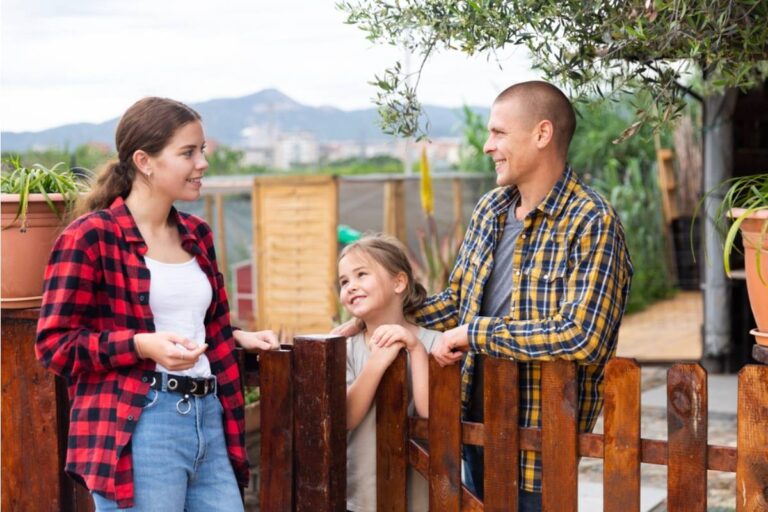
Several months later, I was clearing old plant material from my garden beds when Karen approached the fence. Her tone was different from usual. She did not mention complaints or appearance rules.
Instead, she asked how I had learned so much about gardening. I explained that I had spent years experimenting, reading, and learning from other gardeners. She listened carefully and admitted she had never grown anything beyond a few decorative plants.
Her Request Came as a Surprise
A few days later, Karen knocked on my door holding a community garden application. She explained that she had decided to request a plot but was worried she would not know what to plant or how to care for everything.
Then she asked something I never expected to hear.
“Would you consider sharing a plot with me?”
I was honestly surprised. After a year of complaints, the idea of working side by side felt almost impossible to imagine.
Old Frustrations Were Still There
I did not immediately answer. Part of me remembered every HOA email, every comment about my yard, and every time I felt like I had to defend something that brought me joy.
Karen seemed to understand my hesitation. She admitted she had been wrong to assume the garden was careless simply because it looked different from traditional landscaping. She said she had spent so much time protecting the neighborhood’s appearance that she never considered the purpose behind what I was doing.
The First Day in the Shared Plot
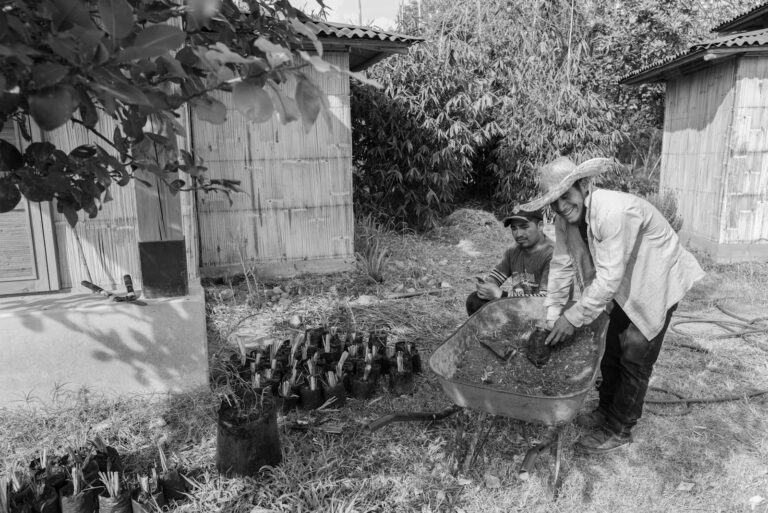
Eventually, I agreed to work together on the community garden plot. On the first morning, we stood in the empty space with gloves, seeds, and a simple plan written on a piece of paper. We decided to grow vegetables that both of our families enjoyed.
At first, the silence felt uncomfortable. But as we planted lettuce and herbs, conversations slowly became easier. We talked about gardening mistakes, family recipes, and the things we wished we had known when we started.
Karen Discovered Why Gardening Mattered
A few weeks into the project, Karen harvested her first cucumber. She held it up proudly and laughed because she said she never expected to feel excited about a vegetable she grew herself.
She admitted she finally understood why I had cared so much about my garden. It was not just about producing food. It was about creating something meaningful and taking pride in caring for something every day.
The Same Neighbors Saw a Different Story
As the community garden grew, more residents joined. People who once passed each other without conversation began sharing seeds, tools, and gardening advice. The space became a gathering place rather than just a collection of plants.
Karen became one of the garden’s biggest supporters. She even defended vegetable gardens during a later HOA discussion when another resident questioned whether they belonged in the neighborhood.
The Final Harvest Changed Everything
At the end of the growing season, the community garden produced more vegetables than anyone expected. We donated extra produce to a local food pantry and shared baskets among neighbors.
Karen and I stood beside the garden beds looking at everything we had grown together. She smiled and said she still could not believe she once thought vegetable gardens were a problem.
I laughed because I remembered those first conversations clearly.
A Garden Grew More Than Vegetables
Today, my original garden still grows beside my home, and the community plot continues to bring neighbors together. Karen and I still disagree about some things, but gardening is no longer one of them.
The experience taught both of us that unfamiliar ideas are easy to criticize from a distance. Sometimes the things people resist the most are the same things that eventually bring them closer together. A few seeds, some patience, and an open conversation turned a neighborhood disagreement into one of the strongest friendships I have ever gained.