Homeowner Says Her Neighbor Dismissed His Dog Digging Through Her Months-Old Garden as “Normal Behavior,” Then a Few Simple Boundaries Changed Everything
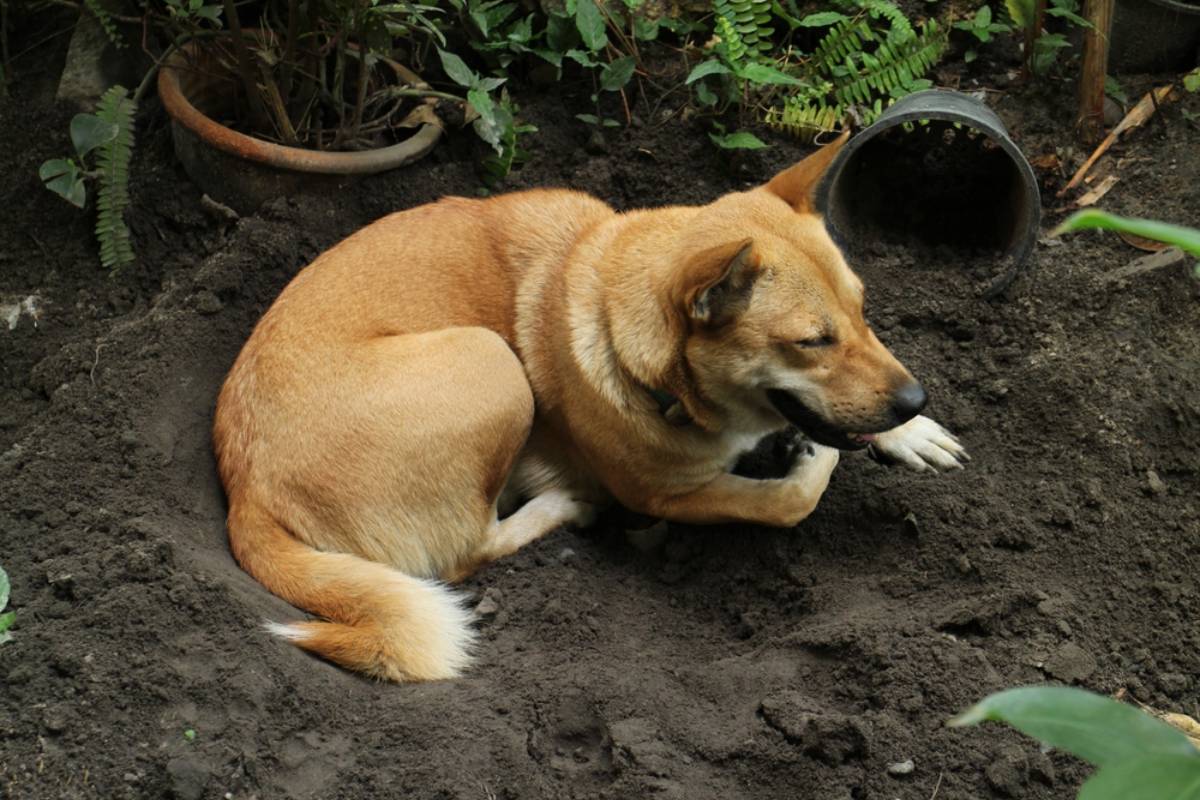
A person shared his story after discovering that his carefully tended garden had become an irresistible playground for a neighbor’s dog. At first, the damage seemed like something that could be brushed aside as an unfortunate one-time incident. But after the digging happened again and again, patience started giving way to frustration.
The garden was not simply a patch of grass that needed a quick cleanup. Herbs and other plants had been growing for months, turning the space into something the homeowner had clearly invested time and care into. Watching all that work get disturbed by an animal wandering into the yard was becoming a much bigger problem.
The First Hole Was Easy to Ignore
The first time the dog dug into the garden, the homeowner decided not to make a big issue out of it. Dogs are curious, energetic creatures, and digging can certainly happen when they discover an interesting patch of soil. It seemed entirely possible that it was a random incident that would never happen again.
That decision turned out to be a little too optimistic. The garden was eventually disturbed another time, and then another, making the original excuse much harder to accept. What looked like a fluke was starting to look like a routine.
By the Third Incident, Patience Was Running Thin
After the third incident, the homeowner decided it was time to speak directly with the neighbor. Rather than storming over with an accusation, they explained what had been happening and even showed photos of the damaged garden. It was a calm attempt to solve the problem before things became more complicated.
The response, however, was surprisingly casual. The neighbor reportedly acknowledged that the dog liked to dig and explained that it was simply normal dog behavior. For the homeowner, that answer created a much bigger question: why should normal behavior for someone else’s dog become their gardening problem?
Months of Gardening Were Sitting in the Dirt
The most frustrating part was the amount of work behind the damaged plants. Herbs and other greenery had been growing for months, which meant the holes were not appearing in an empty yard with nothing to lose. Every disturbance threatened plants that had already required watering, planting, pruning, and plenty of patience.
Gardening has a funny way of making people emotionally attached to even small patches of soil. A single herb plant can represent weeks of care, while a neatly organized bed can take an entire season to establish. Seeing a dog casually tear through that progress can feel less like an accident and more like someone repeatedly stepping through a project you worked hard to build.
“Dogs Are Dogs” Was Not Exactly a Solution
The phrase that stuck with the homeowner was the simple explanation that the dog was just being a dog. That may explain why the animal was digging, but it did not solve the problem of where the digging was happening. Understanding the behavior and accepting the damage are two very different things.
A response from a person pointed out the obvious problem with that logic by suggesting that gardeners could also call their protective measures normal gardening behavior. The comparison was humorous, but it highlighted the central issue. Nobody expects a gardener to simply surrender an entire flower bed because an animal happens to enjoy digging in it.
The Garden Needed a Boundary
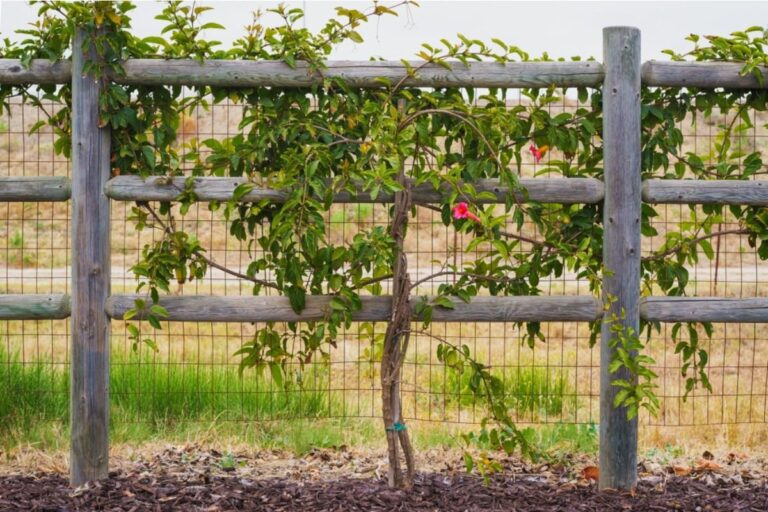
Once repeated conversations fail, the most practical answer is often to make the garden physically harder for a dog to access. A fence can be surprisingly effective, especially when it closes off the exact area where the digging keeps happening. It also creates a clear physical boundary instead of relying on an owner to notice every time the dog wanders over.
Another response from a person suggested checking whether the dog was getting underneath an existing fence or simply entering through an open area. That small detail matters because the solution depends on how the dog is reaching the plants. Sometimes a few inches of additional barrier can protect an entire garden bed.
Photos Became More Important With Every Incident
The homeowner had already started taking pictures by the time they confronted the neighbor. That turned out to be one of the smartest parts of the situation because photographs provide a record of what was actually happening. A damaged garden can be cleaned up in minutes, but the evidence of repeated damage disappears just as quickly.
Keeping a simple record can also help reveal a pattern. Dates, photos, and notes about which plants were damaged can turn a vague complaint into a documented property issue. When a problem keeps happening, details tend to carry more weight than frustration alone.
The Dog Was Not the Only Concern
Several responses from people focused on the animal’s safety as well as the garden. A loose dog can wander into roads, get injured, or encounter another animal, so allowing it to roam freely may create risks beyond a few destroyed plants. The garden damage could therefore be a symptom of a broader problem with supervision.
That changes the conversation slightly. Instead of simply asking how to keep a dog away from basil or flowers, the homeowner may also be dealing with an animal that is repeatedly escaping its own yard. A proper enclosure could solve both problems at the same time.
Some People Suggested Calling for Help
When a neighbor refuses to control a wandering animal, local animal control or a non-emergency service may be an option depending on local rules. One response from a person suggested reporting the situation and keeping the photographs as supporting evidence. That approach avoids turning a neighborhood disagreement into a personal argument.
The important part is knowing the applicable local rules before making a report. Leash requirements, animal-at-large regulations, and property-damage procedures vary by location. What remains consistent is that repeated incidents are easier to address when the homeowner can show exactly what has been happening.
Property Damage Can Be More Than a Gardening Annoyance
A garden may look informal compared with a driveway, shed, or fence, but the plants and structures inside it still represent property. Herbs, seedlings, raised beds, edging, trellises, and irrigation equipment can all be damaged by a determined animal. The more established the garden becomes, the more expensive or time-consuming it can be to replace.
A response from a person suggested documenting the damage and finding out what options might exist for recovering repair costs. Even when someone never takes that step, understanding that repeated garden damage can be a real property issue changes the tone of the dispute. The garden is not automatically fair game simply because it contains dirt.
The Funniest Suggestions Took a Different Route
Some responses from people jokingly suggested fighting the dog’s love of digging with unpleasant garden smells. Others mentioned manure-based materials that dogs might find too interesting to resist. The joke was essentially to make the dog’s owner’s own yard suddenly much more exciting.
That kind of retaliation may sound funny in a story, but it is not the smartest way to solve a neighborhood problem. The better lesson hiding underneath the jokes is that the situation needs a boundary, not a prank war. A sturdy barrier and consistent supervision are far more likely to end the drama than turning both yards into competing scent zones.
Garden Protection Does Not Have to Be Complicated
For many gardeners, the simplest solution is also the most satisfying. A low decorative fence, protective mesh, or properly secured garden border can keep curious pets away without making the yard look like a construction site. Raised beds can also help by putting delicate plants farther out of easy reach.
Even a temporary barrier can buy enough time to see whether the problem stops. Once the garden is protected, the homeowner can focus on restoring damaged plants rather than constantly checking for fresh paw prints. The goal is not to defeat the dog, but to make the garden boring and inaccessible.
One Response Offered a More Permanent Fix
A particularly practical response from a person focused on creating a dedicated physical separation around the garden. The suggestion was aimed at protecting plants from animals while making it clear where the pet was allowed to go. The wider point was simple: gardeners should be able to protect their growing spaces.
That advice also fits the reality of dog behavior. Expecting a dog that loves digging to suddenly understand property lines without any physical reinforcement may be unrealistic. A boundary removes the temptation and makes everyone’s job easier.
The Owner’s Casual Attitude Was the Real Plot Twist
The most surprising part of the story was never that the dog dug. The plot twist was the neighbor’s reaction after being shown the evidence. Instead of treating repeated damage as something to prevent, the neighbor appeared to treat the behavior as unavoidable.
That left the homeowner facing an uncomfortable choice. They could keep hoping the next digging episode would be the last, or they could make the garden inaccessible and stop depending on the neighbor’s cooperation. In a strange way, the neighbor’s dismissive response may have made the solution clearer.
A Garden Can Be Peaceful Without Being Defenseless
There is a satisfying lesson in the whole mess for anyone who grows plants near other homes. A garden does not need an elaborate security system to be protected, but it does need reasonable boundaries when animals repeatedly invade it. Good fences, secure gates, documentation, and sensible local reporting options can accomplish far more than angry arguments.
The homeowner’s original approach was patient, calm, and reasonable. The frustration came from discovering that patience alone was not changing anything. Sometimes the final stage of a gardening problem is not another conversation about the plants, but finally deciding that those plants deserve a boundary of their own.