Homeowner Says His Uphill Neighbor Wanted a Better View, Then His Beautiful Jacaranda Tree Suddenly Disappeared
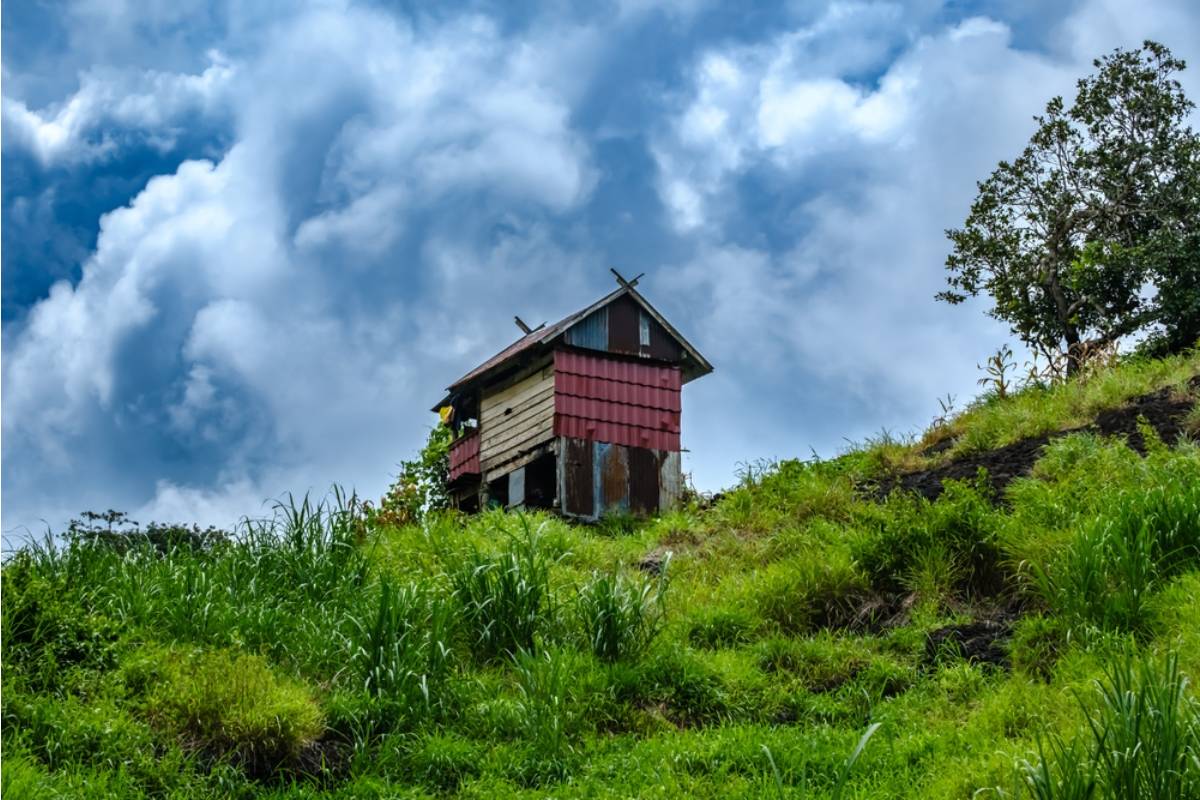
A person shared his story about his father, whose home sits on a hillside with a garden that had become part of the neighborhood scenery. The property was planted with several trees, including a beautiful jacaranda that had grown into a prominent feature near the front yard. From the house above, the tree was visible, but apparently that was exactly the problem.
The uphill neighbor had complained before about wanting a clearer view from his property. According to the family, the trees were not especially tall and did not completely block the scenery anyway. Still, the complaints had planted the first seed of what would eventually become a much bigger neighborhood dispute.
The Neighbor Wanted More Sky
The neighbor apparently believed the hillside view would be better without the trees in the way. From his higher position, even a tree that only partially interrupted the scenery could seem like an annoyance. The family had no reason to believe that the complaints would go beyond words.
After all, people complain about landscaping all the time. A hedge grows too wide, a branch reaches toward a driveway, or a tree drops leaves where someone would rather see bare pavement. Nobody expected the argument over a view to turn into a missing tree.
The Jacaranda Was More Than Decoration
The tree at the center of the dispute was a jacaranda, known for its striking appearance and spectacular purple blooms. It was not something that could simply be replaced overnight with a tiny sapling and forgotten about.
For the homeowner, the tree was part of the established landscape. It had occupied its place in the yard long enough to become one of those features people eventually stop noticing because it simply belongs there. That made what happened next especially jarring.
Then Dad Came Home
One day, the homeowner’s father returned to his property and immediately noticed something was wrong. The jacaranda that had stood in the front yard was gone.
There was no warning, no landscaping project he had approved, and no reason for him to expect an empty patch of ground where the tree had been. Instead, there was the unmistakable evidence that someone had entered the property and removed it.
The Timing Was Almost Too Convenient
The disappearance would have been strange enough on its own, but the history with the uphill neighbor made it considerably more suspicious. That neighbor had already expressed frustration about the trees and wanted a more unobstructed view.
Then the one tree that had been part of the landscape suddenly vanished. The coincidence was hard for the family to ignore, especially when another detail emerged.
Someone Was Walking Away
The homeowner’s father reportedly saw the neighbor’s gardener leaving the area shortly after the tree had been cut down. Suddenly, the mystery had a potential character, and the timing made the situation even more complicated.
There was just one frustrating problem. The property did not have cameras recording the incident. The gardener’s presence was something the homeowner had witnessed, but there was no convenient video clip showing exactly who had ordered the cutting.
The Missing Camera Became a Problem
That lack of footage immediately became one of the biggest complications. A camera would have made the situation much easier to document, especially because the homeowner had already experienced complaints from the uphill neighbor.
Still, the absence of a security recording did not necessarily mean there was no evidence. A response from a person pointed out that nearby homes might have cameras facing the street or surrounding properties.
The Neighborhood May Have Been Watching
That suggestion opened another possibility. Doorbell cameras, driveway cameras, security systems, and even vehicles equipped with recording systems could potentially have captured something without the homeowner realizing it.
The family could ask nearby residents whether they had footage from the relevant period. What looked like an evidence-free yard might actually have been surrounded by several accidental witnesses, each with a camera pointed in a slightly different direction.
The Gardener Suddenly Became Important
The gardener’s involvement created another twist because whoever actually performed the cutting would presumably know why the job happened. Several responses from people suggested contacting the gardener and determining who had requested the work.
That could turn a vague suspicion into a much clearer chain of events. If someone had hired a professional to remove a tree that was not theirs, the gardener could potentially become a crucial source of information about what happened.
A Jacaranda Is Not a Cheap Shrub
The financial side of the situation also surprised people. Mature landscape trees can have considerable replacement costs, particularly when someone tries to recreate the appearance of an established tree rather than simply planting a young replacement.
A response from a person who worked professionally with trees explained that replacing a mature specimen could involve much more than buying a sapling. Transporting, planting, and caring for a large replacement tree could turn what looked like a simple landscaping decision into an extremely expensive mistake.
The Hill Made the Tree Even More Important
There was another gardening detail that made the situation potentially more serious. Trees growing on hillsides can play an important role in the landscape, and their roots can help stabilize soil and influence how water moves through the property.
Removing established vegetation from a slope can therefore create concerns beyond losing shade or flowers. The family was suddenly dealing with a missing tree, a changed landscape, and questions about whether removing it could affect drainage or soil stability.
Then the Legal Advice Started Piling Up
As more people considered the situation, the conversation quickly moved beyond gardening. A response from a person suggested consulting an arborist to establish the value of the lost tree and speaking with a lawyer familiar with property and tree disputes.
The important point was that tree-related property disputes can depend heavily on local laws, property boundaries, the circumstances of the removal, and the value of the vegetation. In other words, the empty space in the yard might eventually require far more paperwork than anyone expected.
The Property Line Could Tell Another Story
One of the practical suggestions was to make absolutely certain where the property boundary sits. A tree can stand close to a property line, but being near the boundary does not automatically make it fair game for someone else to remove.
A survey or other reliable property documentation could help establish ownership if there were any disagreement. Suddenly, the hillside garden had become something resembling a detective case, complete with property records, witnesses, landscaping professionals, and a suspiciously convenient motive.
Some People Had a Much Petter Solution
Not every response focused on paperwork. Some people jokingly imagined replacing the missing greenery with a giant visual obstruction of their own, while others suggested planting a dense row of fast-growing trees along the back property line.
Those ideas were mostly playful, but they revealed just how ridiculous the original conflict sounded. The uphill neighbor wanted a clearer view, yet the more aggressively someone tried to control another person’s garden, the more tempting it became to turn the landscaping into a giant lesson about property boundaries.
The Real Twist Was What the Tree Represented
At first glance, this looked like a disagreement over scenery. One homeowner wanted trees, another homeowner wanted a better view, and somehow a gardener ended up cutting down a tree that belonged to someone else.
But the deeper twist was that the jacaranda was never merely an obstacle. It was an established part of the garden, and removing it did not simply reveal more sky. It created a new problem involving ownership, replacement costs, evidence, landscaping, and a relationship between neighbors that was unlikely to become friendlier.
An Empty Patch Now Tells the Story
The place where the jacaranda once stood would probably be difficult to ignore. Every time the homeowner looks toward the front yard, there is now a reminder of the dispute that started with someone wanting a better view.
What happens next depends on what the family can establish about the cutting, the gardener’s instructions, the property boundary, and applicable local law. But one thing is certain: the uphill neighbor may have gained the clearer view they wanted, only to turn a landscaping complaint into a much larger neighborhood problem.