Homeowner Says Her Neighbor Hired a Crew to Cut a Mature Hedge While She Was Away on Christmas Eve, Then a Property Survey Became the Center of a $9,000 Dispute
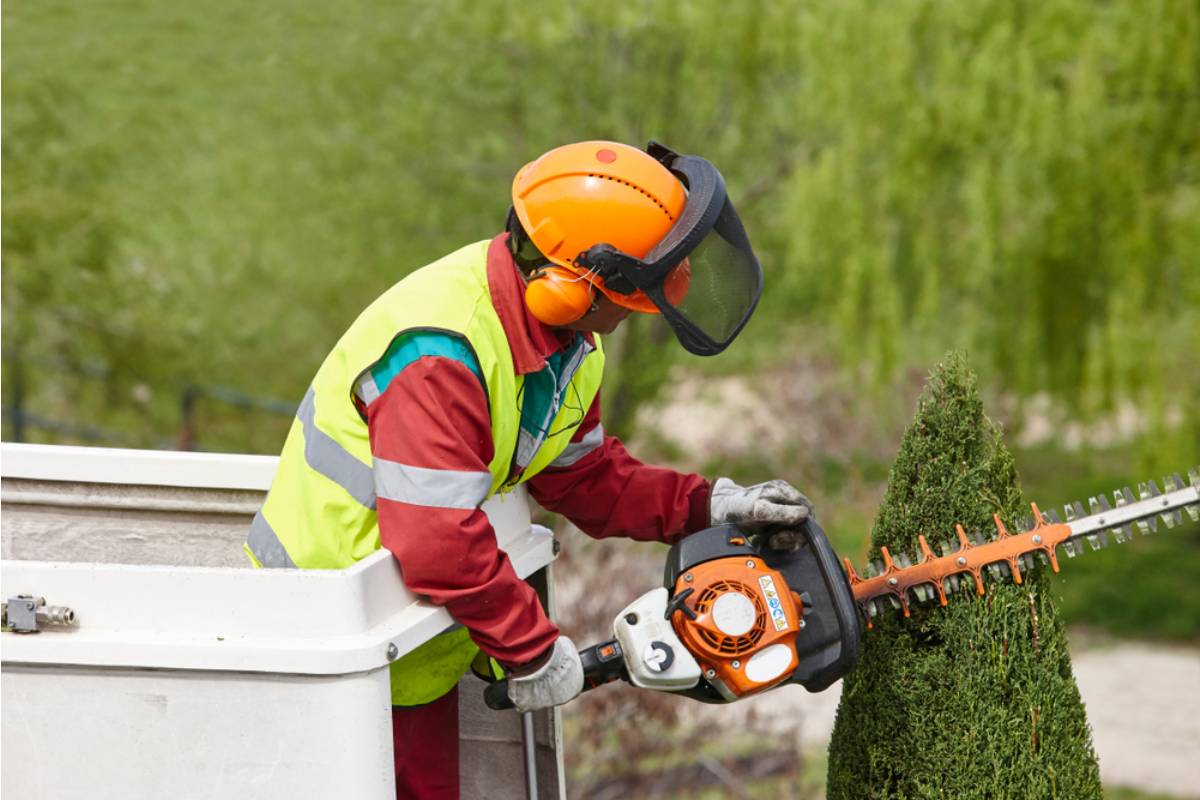
A homeowner in rural Missouri returned home after Christmas Eve to discover that a crew had cut into a hedge running along her property. The timing was especially frustrating because the family had not been home when the worker knocked at their door. What first looked like an awkward landscaping mistake soon turned into a much bigger property dispute.
The hedge was not just a row of ordinary shrubs sitting beside a fence. It included several mature plants, small trees, and other greenery that had become part of the property’s established landscape. A person shared his story about how quickly a routine trimming job turned into an argument over property lines, replacement costs, and responsibility.
The Neighbor Initially Wanted to Make Things Right
At first, the neighbor appeared willing to resolve the situation without a major fight. She apparently acknowledged what had happened and seemed interested in finding a way to make things right. For the homeowner, that early attitude offered some hope that the entire mess could be settled without lawyers or courtrooms.
Then the tone of the conversation changed. The homeowner believed the neighbor discovered how expensive replacing the damaged landscaping could become and suddenly became less willing to help. What began as a conversation between neighbors started to feel like a dispute over who would ultimately pay the bill.
A Previous Land Offer Added Another Layer
The homeowner also explained that the neighbor had previously offered $1,000 to purchase the strip of land involved in the disagreement. The offer had been rejected, leaving both sides with an unresolved disagreement about where the property boundary actually sat. Suddenly, the hedge dispute was no longer just about plants.
The homeowner suspected the earlier land offer might explain some of the neighbor’s actions. A response from a person suggested that the property issue mattered because the neighbor was now claiming a survey had supposedly established ownership on her side. That claim immediately became important because there was one major problem: the homeowner had never seen any survey markings.
The Mysterious Survey Could Not Be Found
According to the homeowner, the neighbor said a survey had been completed and used that as part of the explanation for why the landscaping crew had been hired. Yet no visible stakes, paint, flags, or other markings from that alleged survey had been noticed. With the hedge already cut, the homeowner was left wondering exactly what information the worker had relied upon.
That uncertainty became even more significant when the homeowner decided to hire a surveyor independently. Because the property was unusually large and oddly shaped, the new survey cost $2,200. The price was painful, but it also gave the homeowner something concrete to compare against the neighbor’s unexplained claim.
The Second Survey Changed the Picture
Having an actual survey in hand gave the homeowner a much clearer understanding of where the property lines were located. Instead of relying on verbal descriptions or assumptions, there was now professional information showing the boundaries. The landscaping dispute had suddenly acquired evidence that could potentially be taken into a legal setting.
The survey also raised a difficult question about the original job. If the hedge really stood on the homeowner’s property, then the worker had apparently been hired to cut vegetation that did not belong to the neighbor. The more the homeowner looked into the situation, the less it resembled an innocent trimming mistake.
Replacing the Plants Was More Expensive Than Expected
The homeowner began calculating what it would take to replace the greenery that had been destroyed or severely damaged. Similar-sized plants could be found for around $30 each, but the hedge was only part of the landscaping involved. Small trees and additional plants quickly pushed the estimated replacement total toward $3,000.
That number became especially important because the homeowner was not simply looking at the price of a few replacement shrubs. Mature landscaping can take years to establish, and recreating the same visual effect with small nursery plants is not always straightforward. The garden had effectively lost years of growth in a single landscaping visit.
Rural Missouri Made Getting Quotes Difficult
Normally, obtaining several replacement estimates might seem like the obvious next step. The homeowner said that living in a rural town made the process surprisingly difficult because finding businesses willing to provide quotes or appraisals was nearly impossible. That left the homeowner trying to document the losses while dealing with limited local options.
The lack of available contractors created another frustrating obstacle. Without multiple professional estimates, determining a precise replacement value became more complicated. The homeowner therefore began looking at comparable plant prices and trying to build a reasonable estimate from what could actually be found.
The Numbers Started Getting Much Bigger
The homeowner believed the landscaping itself was worth roughly $3,000 to replace. But then another possibility entered the picture involving Missouri’s tree-damage laws. The homeowner had learned that certain tree-related property damage can potentially result in enhanced damages beyond the basic replacement value.
That possibility brought the estimated figure dramatically higher. A $3,000 landscaping loss could potentially become $9,000 under the calculation the homeowner had been considering. What had started with a hedge being cut on Christmas Eve was now beginning to look like a serious financial dispute.
The Small Claims Idea Seemed Tempting
With legal costs in mind, the homeowner considered using small claims court rather than hiring an attorney for a lengthy case. The idea was to seek around $4,500 and possibly pursue the neighbor and the lawn company separately. On paper, that sounded like a way to keep the dispute manageable without spending thousands on legal fees.
But there was an immediate problem with that strategy. A response from a person pointed out that splitting defendants into separate cases generally cannot simply be used to get around court limits. The homeowner’s attempt to simplify the dispute could actually create another procedural issue.
The Lawyer Question Became a Bigger Concern
The homeowner also worried about whether an attorney would even want to take a case involving landscaping damage and a property-line dispute. The concern was not unreasonable because legal consultations and ongoing attorney work can become expensive quickly. Spending hundreds of dollars just to hear that the case is not worth pursuing was a possibility the homeowner clearly wanted to avoid.
A response from a person offered a blunt perspective on that concern. The issue was not likely to be a single $500 consultation, because an attorney could charge for every hour spent investigating, preparing, negotiating, and appearing in court. Compared with a possible small claims recovery, those legal expenses could potentially consume a substantial portion of any award.
Then the Lawn Service Entered the Story
The homeowner wondered whether the landscaping company that performed the work should also be contacted. After all, the company was the one that actually arrived and cut the hedge. That raised an obvious question about whether the crew had any obligation to verify the property line before doing the job.
The answer was less straightforward than expected. A response from a person questioned why the homeowner would contact the lawn service at all and asked what exactly the homeowner hoped to accomplish. That exchange highlighted one of the biggest unanswered questions in the entire story: who gave the crew its instructions, and what information did the crew receive before starting work?
Christmas Eve Became the Strange Turning Point
The date of the incident made the whole story feel even more unusual. The work reportedly happened on Christmas Eve, when the homeowners were away and the worker had apparently knocked at the door before proceeding. By the time the family returned, the decision had already been made and the landscaping had already been altered.
That timing also meant the homeowner did not get the chance to challenge the crew before the cutting began. A simple conversation at the property line might have prevented the entire dispute. Instead, the family came home to a finished job and a much more expensive problem.
The Hedge Became a Property-Line Flashpoint
What made the dispute especially complicated was that the hedge itself was now evidence. Its former location could potentially help show where the landscaping had been established, while the new survey could provide a formal property boundary. Photographs, receipts, plant prices, and records of the work could all become important pieces of the larger puzzle.
The homeowner’s story therefore stopped being merely about damaged greenery. It became a conflict involving property ownership, a disputed survey, a landscaping company, replacement costs, and possible legal damages. Every new detail seemed to create another question instead of resolving the original one.
The Real Twist Was Not the Price of the Hedge
At first glance, the obvious problem was the cost of replacing the plants. But the deeper issue was whether the neighbor had any right to order the work in the first place. If the homeowner’s survey established that the vegetation was on her property, the entire explanation based on the alleged survey could become much more important than the price of the shrubs.
That is where the story took its unexpected turn. A simple hedge trimming job had potentially created a dispute worth far more than anyone on either side probably expected. What looked like seasonal landscaping had turned into a battle over boundaries, responsibility, and whether one expensive mistake could be undone at all.
Now the Garden May Need to Start Over
For the homeowner, the damage was more than a number written on a piece of paper. Mature landscaping provides privacy, structure, shade, and character that cannot be recreated instantly with a trip to a nursery. Even if money eventually changes hands, rebuilding the garden could take years.
The strangest part is that none of this appears to have been planned by the homeowner. A person shared his story after what should have been an ordinary holiday week ended with a severely altered hedge and a stack of new expenses. The garden may eventually grow back, but the relationship with the neighbor could take much longer to recover.
What Began With a Hedge Ended With a Much Bigger Question
The homeowner was ultimately left weighing several difficult choices, including small claims court, contacting the landscaping company, or paying for professional legal advice. Each option carried its own cost and uncertainty. Meanwhile, the plants that caused the dispute could not simply be restored overnight.
The biggest lesson from the strange Christmas Eve incident may have nothing to do with hedges at all. Property boundaries can matter enormously when landscaping, trees, and permanent improvements are involved, especially when one person’s understanding of a boundary differs from another’s. In this case, what looked like one afternoon of yard work became a surprisingly tangled garden story with a survey at the center and a $9,000 possibility waiting at the end.