Homeowner Says Her Neighbor Insisted Her Compost Tumbler Was Attracting Vermin for Two Years, Then Asked to Borrow Finished Compost the Moment Her Own Tomatoes Failed
I got used to hearing complaints every time I stepped into my backyard. My neighbor insisted my compost tumbler was the reason every squirrel, raccoon, and stray animal in the neighborhood existed. I stopped trying to convince her otherwise because nothing I said ever changed her mind. What finally changed her opinion was something she never expected to need from me.
Composting Started as a Small Weekend Project
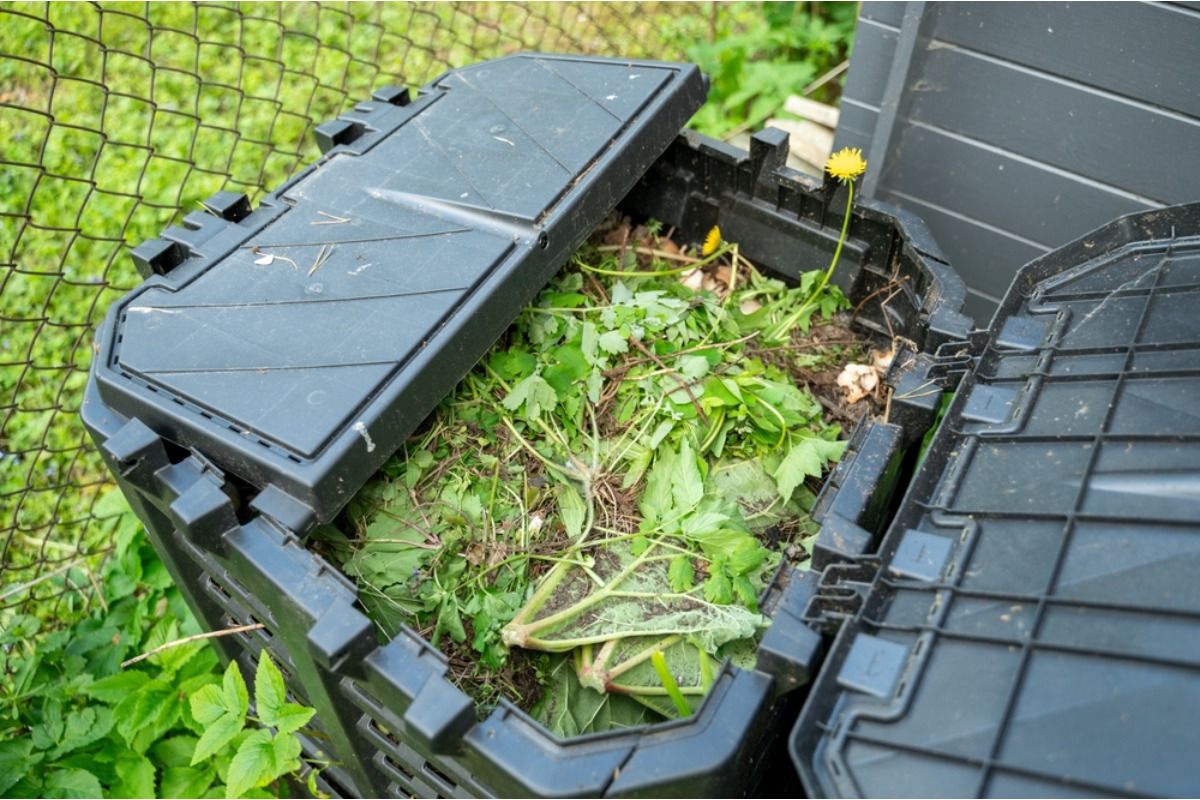
When I bought my house, I wanted a vegetable garden that relied less on store bought fertilizers. After reading books and attending a workshop at our local garden center, I invested in a sealed compost tumbler instead of an open compost pile. It was easy to rotate, kept food scraps enclosed, and produced rich compost every few months.
I followed every recommendation carefully. Fruit scraps, coffee grounds, dry leaves, shredded cardboard, and grass clippings all went into the tumbler in the right proportions. I never added meat, dairy, or greasy food because those were the materials most likely to create odors or attract unwanted animals.
My Neighbor Had an Opinion Immediately
The woman next door, Linda, noticed the tumbler the day I assembled it.
“What is that thing?” she asked while leaning over the fence.
When I explained it was a compost tumbler, she frowned.
“You’ll regret it. Those things bring rats.”
I politely explained that enclosed tumblers worked differently than open compost piles. She simply shook her head and walked away, clearly unconvinced.
Every Backyard Problem Somehow Became My Fault
Over the next two years, Linda blamed my compost for almost everything.
If she spotted a squirrel on her fence, she blamed the tumbler. If rabbits wandered through the neighborhood, she blamed the tumbler. One afternoon she even knocked on my door after seeing a raccoon cross the street.
“I told you this would happen,” she declared.
I reminded her that raccoons had lived in the neighborhood long before either of us bought our homes. She refused to believe that explanation.
The Neighborhood Had a Different Perspective
Most of our neighbors never shared Linda’s concerns.
Several people asked how the tumbler worked because they were interested in reducing food waste themselves. During neighborhood cookouts, conversations often turned into gardening discussions, and I happily shared tips about balancing green and brown materials.
One retired landscaper even complimented how clean the setup looked. He laughed when I mentioned Linda’s concerns and pointed out that a properly maintained tumbler rarely attracted pests.
Those conversations reassured me that I was not doing anything unusual.
Linda Took Her Complaints Further
One afternoon she walked over carrying a clipboard.
She explained that she had written a list of “yard concerns” she wanted everyone on the street to address. My compost tumbler sat at the top of the page.
She insisted it should be removed because it was lowering property values and creating health risks. When I asked if she had ever seen rodents inside it, she admitted she had not.
Her argument rested entirely on what she believed might happen someday.
An Unexpected Visit Cleared the Air
A few weeks later, our county extension office hosted a neighborhood gardening demonstration.
One of the speakers discussed composting systems and even brought a tumbler identical to mine. During the question session, Linda asked whether compost tumblers attracted rats.
The instructor smiled politely.
He explained that properly managed enclosed tumblers containing the correct materials were among the least attractive compost systems for rodents. He also emphasized that leaving pet food outside and allowing fallen fruit to remain on the ground created much bigger problems.
Several neighbors glanced toward me.
I simply listened without saying a word.
My Garden Began Producing Beautiful Harvests
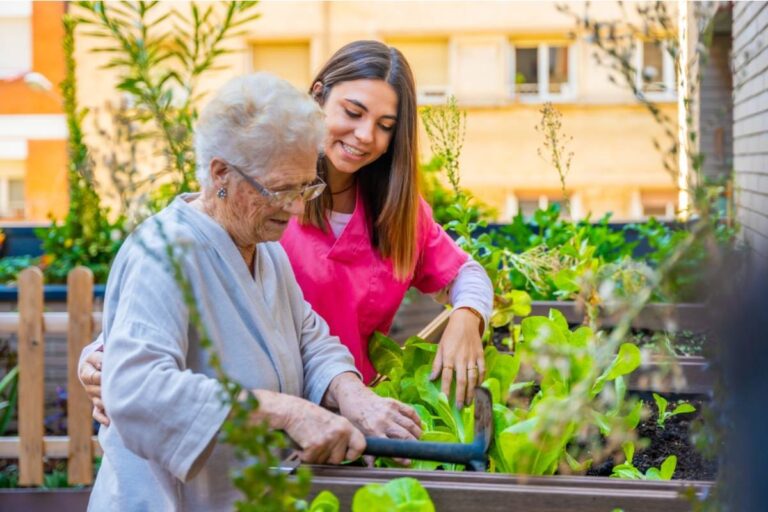
That summer, my vegetable beds thrived.
The tomatoes developed strong vines loaded with healthy fruit. Peppers grew thick and glossy, while cucumbers climbed their trellises with surprising speed. The finished compost improved both soil texture and moisture retention.
Friends often asked why everything looked so healthy.
I always answered honestly.
“Healthy soil makes healthy plants.”
The compost became one of the most valuable tools in my entire garden.
Linda Chose a Different Approach
Instead of improving her soil, Linda focused on buying more fertilizer.
Every few weeks she spread another product across her vegetable beds, hoping for better results. She watered faithfully and removed weeds, but her plants never seemed as vigorous as she expected.
Whenever someone complimented my harvest, she quietly changed the subject.
I noticed the frustration growing, but I never mentioned it.
Trouble Appeared in Her Garden
By midseason, Linda’s tomato plants looked noticeably weaker.
The leaves yellowed despite regular watering. Several tomatoes developed problems before they fully ripened, and the plants stopped producing as heavily as earlier in the summer.
She invited a local garden club member to inspect them.
After examining the beds, the visitor asked a simple question.
“When was the last time you added organic matter to this soil?”
Linda admitted she never had.
A Knock on My Door Changed Everything
The following evening, Linda stood on my porch looking uncomfortable.
“I need to ask you something,” she said quietly.
I invited her inside.
After a long pause, she finally asked if she could borrow some of my finished compost because she wanted to improve her garden before the season ended.
For a moment I honestly thought I had misunderstood.
This was the same compost she had spent two years criticizing.
The Conversation Became Surprisingly Honest
I asked her what changed.
She sighed.
“The garden club member explained why your vegetables look healthier. She asked if I composted, and I almost laughed.”
Linda admitted she had repeated the same warning about my tumbler so many times that asking for compost felt embarrassing.
“I guess I owe you an apology.”
It was the first time she had acknowledged being wrong.
Sharing Compost Came With One Condition
I agreed to help.
However, I asked her to spend half an hour walking through the composting process with me so she understood exactly what went into producing it.
She accepted immediately.
Together we opened the tumbler, examined the finished compost, discussed carbon and nitrogen balance, and talked about what should never be added.
She listened carefully and asked thoughtful questions instead of arguing.
That conversation accomplished more than two years of debates.
The Garden Slowly Recovered
Over the next several weeks, Linda worked the compost into her tomato beds.
The existing plants never fully recovered, but new growth appeared healthier than before. She also prepared another section of soil for the following season using compost instead of relying entirely on synthetic fertilizer.
She stopped making negative comments whenever she saw me turning the tumbler.
Instead, she occasionally asked how long a batch usually took to finish or whether shredded leaves worked better than newspaper.
The difference in her attitude surprised everyone.
A Delivery That Made Me Smile
Late that fall, someone rang my doorbell.
Outside sat a small basket filled with homemade muffins and a handwritten note.
“Thank you for helping me learn instead of saying I told you so.”
There was no signature, but I recognized Linda’s handwriting immediately.
The note meant more than the gift itself because it showed genuine humility.
The Next Spring Brought an Unexpected Friendship
When planting season returned, Linda installed her own enclosed compost tumbler near the back fence.
I expected another round of complaints from someone else, but instead she found herself answering questions from curious neighbors. Every time someone worried about odors or rodents, she smiled and explained the same facts I had shared with her.
One afternoon she laughed and admitted, “I spent two years blaming the wrong thing.”
Now our conversations over the fence are about seedlings, watering schedules, and which tomato varieties taste best. The compost tumbler that once divided us became the reason we finally started getting along. Sometimes the richest thing compost grows is not vegetables at all. Sometimes it grows the chance for people to admit they were mistaken and begin again with a little more understanding.:::writing